 239 citations
,
November 2000 in “Journal of The American Academy of Dermatology”
239 citations
,
November 2000 in “Journal of The American Academy of Dermatology” In this study, finasteride 1 mg/day for 12 months did not improve hair growth or slow hair thinning in postmenopausal women with androgenetic alopecia compared to placebo.
 131 citations
,
August 2000 in “International Journal of Dermatology”
131 citations
,
August 2000 in “International Journal of Dermatology” Inflammation may be linked to hair loss, and targeting specific enzymes could help treat it.
 115 citations
,
November 1999 in “Journal of The American Academy of Dermatology”
115 citations
,
November 1999 in “Journal of The American Academy of Dermatology” In this study, men using 2% and 5% minoxidil solutions experienced a significant increase in hair weight for 96 weeks compared to placebo, with effects diminishing after treatment cessation.
 370 citations
,
September 1999 in “The New England Journal of Medicine”
370 citations
,
September 1999 in “The New England Journal of Medicine” This article discusses the treatment of androgenetic alopecia and alopecia areata with finasteride and minoxidil but reports no new clinical results.
 187 citations
,
June 1999 in “Journal of The American Academy of Dermatology”
187 citations
,
June 1999 in “Journal of The American Academy of Dermatology” This study reported that finasteride 1 mg/day significantly increased hair growth and slowed hair loss in men with frontal scalp hair thinning over one year, and these benefits continued or improved in the second year.
 581 citations
,
October 1998 in “Journal of The American Academy of Dermatology”
581 citations
,
October 1998 in “Journal of The American Academy of Dermatology” In male pattern hair loss, this study found that finasteride 1 mg daily significantly slowed hair loss and increased hair growth over two years compared to placebo.
 92 citations
,
January 1998 in “Dermatology”
92 citations
,
January 1998 in “Dermatology” This study found that 2% ketoconazole shampoo improved hair density and anagen follicle proportion in androgenic alopecia similarly to minoxidil treatment, suggesting a potential role for Malassezia in inflammation.
 416 citations
,
September 1997 in “Journal of Investigative Dermatology”
416 citations
,
September 1997 in “Journal of Investigative Dermatology” People with hair loss have more androgen receptors and enzymes in certain follicles, with men and women showing different patterns.
 15 citations
,
March 1997 in “International Journal of Dermatology”
15 citations
,
March 1997 in “International Journal of Dermatology” This article discusses the potential use of 5α-reductase inhibitors in dermatology and reports no new clinical results; the authors suggest further exploration of their dermatological applications.
 30 citations
,
January 1997 in “Journal of Dermatological Treatment”
30 citations
,
January 1997 in “Journal of Dermatological Treatment” This study reported that a 0.005% finasteride solution may encourage hair regrowth and reduce balding areas in patients with androgenic alopecia, without significant absorption or adverse effects.
 10 citations
,
January 1996 in “Journal of Dermatological Treatment”
10 citations
,
January 1996 in “Journal of Dermatological Treatment” In this study, a standardized 7.5% herbal extract significantly increased hair growth in men with androgenetic alopecia compared to a placebo over a 48-week period.
 40 citations
,
January 1996 in “Journal of Dermatological Treatment”
40 citations
,
January 1996 in “Journal of Dermatological Treatment” This study found that using an antimicrobial lotion for 18 months may reduce inflammation and potentially partially reverse hair loss in men with androgenetic alopecia.
 13 citations
,
October 1993 in “International Journal of Dermatology”
13 citations
,
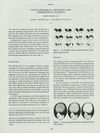
October 1993 in “International Journal of Dermatology” Minoxidil effectively promotes hair regrowth in younger patients with small balding areas.