Take every crazy results picture with a thick grain of salt Chat 5/29/2024
Lighting and camera angles can greatly affect the appearance of hair thickness in photos. Consistent conditions are crucial for tracking progress, and treatments like Minoxidil and finasteride can show results in about 6-8 months.
View this post in the Community →
Similar Community Posts Join
6 / 6 resultscommunity Finasteride success for androgenic alopecia by a 27M physician (NO PICTURES)
A 27-year-old male physician improved hair density using minoxidil 5% foam and finasteride 1mg every other day, with initial sexual side effects that subsided. He recommends trying finasteride for a year but warns against dutasteride due to potential liver effects.
community A concise, easy-to-understand post on Androgenic Alopecia theory and its practical applications
The mechanism of Androgenic Alopecia and practical applications of treatments like Minoxidil, Finasteride, RU58841, dermarolling, scalp massages, anti-fungals, progesterone, estrogen, PPAR-γ activators, reducing oxidative stress, and scalp exercises. It explains why DHT is important in AA and how other factors might be involved such as hypoxia, increased DKK-1 expression, morphological changes to the scalp, skull growth during childhood/puberty, and blood flow.
community Melatonin a possible tool to help fight AGA hair loss.
Topical melatonin may help reduce hair loss and increase hair thickness in people with androgenetic alopecia (AGA), with some studies showing positive results. It can be mixed with minoxidil for application, and its effectiveness might be enhanced when used with micro-needling, but results may vary among individuals.
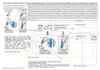
community Compressed part of research of theory of androgenic/anabolitic balance. AGA h-responders analytic. Theory of physio-metabolitic method of anti AGA treatment
The treatment for androgenetic alopecia involves using finasteride and minoxidil with intense exercise and cold exposure to boost metabolism and reduce androgenic effects, potentially leading to hair regrowth. This approach may activate biological pathways for improved hair and overall health.
community DHT Harms Scalp Microbiome: DHT Itch is REAL
Increased Malassezia and Cutibacterium in the scalp microbiome are linked to higher sebum production and inflammation in androgenetic alopecia (AGA). Treatments include ciclopirox shampoo, benzoyl peroxide shampoo, clobetasol propionate, calcipotriol, minoxidil, finasteride, and dutasteride.
community 21M, Dermatologist prescribed only Minoxidil
A 21-year-old was diagnosed with early-stage androgenetic alopecia and prescribed only minoxidil 5% and ketoconazole shampoo by a dermatologist, who advised against finasteride for now. The user is skeptical about starting minoxidil due to concerns about increased hair loss.
Related Research
6 / 6 results
research Astragalus membranaceus and Cinnamomum cassia Stimulate the Hair Follicle Differentiation-Related Growth Factor by the Wnt/β-Catenin Signaling Pathway
In this study, researchers observed that the YH complex, made from Astragalus membranaceus and Cinnamomum cassia, promoted hair regrowth and increased hair shaft thickness in mice, potentially through increased growth factors and Wnt/β-catenin signaling, suggesting its use for treating various forms of hair loss.
research Hair Thickness Growth Effect of Adenosine Complex in Male-/Female-Patterned Hair Loss via Inhibition of Androgen Receptor Signaling
In this study, researchers found that topical treatment with adenosine improved hair growth and thickness by significantly increasing hair density and thickness after four months in vivo, with results comparable to minoxidil, potentially due to adenosine's anti-androgenic effects.

research The medicinal activity of lyophilized aqueous seed extract of Lepidium sativum L. in an androgenic alopecia model
This study found that Lepidium sativum seed extract showed potential in treating alopecia in rats by reducing 5(alpha)-dihydrotestosterone levels and improving hair length compared to minoxidil.

research Platelet‐rich plasma for androgenetic alopecia: Efficacy differences between men and women
This study found that platelet-rich plasma significantly increased hair diameter in both men and women with androgenetic alopecia but improved hair density only in men.
research Investigating the Safety and Efficacy of Platelet-Rich Plasma (PRP) Treatment for Female Androgenetic Alopecia: Review of the Literature
This review discusses the use of platelet-rich plasma for treating female androgenetic alopecia, reporting that it shows high patient satisfaction and improved quality of life in affected women.
research Adipose Mesenchymal Stromal Cell-Derived Exosomes Carrying MiR-122-5p Antagonize the Inhibitory Effect of Dihydrotestosterone on Hair Follicles by Targeting the TGF-β1/SMAD3 Signaling Pathway
This study found that exosomes from adipose mesenchymal stromal cells, particularly those carrying miR-122-5p, may enhance hair follicle regeneration in androgenic alopecia by targeting the TGF-β/SMAD3 axis.