37 citations
,
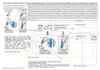
June 2021 in “Journal of the European Academy of Dermatology and Venereology” This review discusses how acute exposures to environmental and internal stressors can quickly alter skin functions, leading to various dermatological symptoms, and calls for more research on these short-term effects.
July 2026 in “The Journal of Immunology” This study observed that in both mouse and human models of alopecia areata, T cells exhibit a stress response involving heat shock proteins and other regulatory markers, suggesting their potential as targets for therapeutic intervention in this autoimmune skin disease.
This study suggests that the exercise-induced cytokine IL-15 can improve wound healing in aged skin, along with previously reported benefits on skin structure and mitochondrial function.
January 2025 in “Stem Cells International” This study found that exosomes from human umbilical cord mesenchymal stem cells reduced oxidative stress and inflammation in UVB-induced skin injury in cell and mouse models, suggesting their potential for treating UV-damaged skin by influencing Nrf2 and NF-κB pathways.
2 citations
,
November 2011 in “InTech eBooks” This article reviews how the skin's peripheral stress response system mirrors the central HPA axis, facilitating local homeostasis under stress, but presents no new findings.