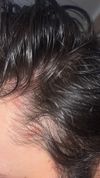
The user is experiencing scalp irritation and hair thinning, possibly due to stress, with red patches on the face and dry skin. They are considering seeing a dermatologist and have used tea tree and rosemary oil.
A user experienced burning, itching, and soreness on their scalp after a perm in 2021, despite using oral finasteride, oral minoxidil, and ketoconazole shampoo. They are seeking advice on whether to pursue further medical tests or consult a neurologist for nerve pain.
The user experienced scalp burning and diffuse hair shedding after surgery, with symptoms worsening due to factors like weather changes and stress. They tried minoxidil and finasteride but stopped due to side effects, and found some relief with corticosteroid scalp treatments while correcting vitamin deficiencies.
The conversation discusses natural, chemical-free methods for scalp health and hair regrowth, such as using oils like rosemary, ginger, castor, and peppermint. It seeks personal experiences and effective routines for hair regrowth, especially after chemo or stress-related hair thinning.
An androgen-receptor blocker approved only for acne (Winlevi 1% cream). A scalp solution is still investigational for hair loss; its sponsor reports positive Phase III results in men, not yet peer-reviewed.
January 2023 in “Indian dermatology online journal”
In this case report, an 8-year-old boy's crusted scalp lesions and alopecia initially mimicking kerion were ultimately diagnosed as Pre-B acute lymphocytic leukemia after histopathological evaluation revealed leukemia cutis.
36 citations
,
December 2021 in “The journal of allergy and clinical immunology/Journal of allergy and clinical immunology/The journal of allergy and clinical immunology”
This study observed that both ritlecitinib and brepocitinib improved scalp biomarkers in patients with alopecia areata, with associations to hair regrowth seen in this phase 2a trial.
11 citations
,
May 2019 in “BioMed Research International”
The researchers reported that follicular unit hair transplantation achieved a mean graft survival rate of 80.67% and significantly improved patient and observer satisfaction in individuals with stable cicatricial alopecia from postsurgical scalp scarring.