 April 2023 in “The journal of investigative dermatology/Journal of investigative dermatology”
 This study suggests that structural changes in the TRPV3 channel are linked to severe skin conditions like Olmsted syndrome, with differences observed between heat-activated and resting states.
 12 citations
,
June 2019 in “The journal of pharmacology and experimental therapeutics/The Journal of pharmacology and experimental therapeutics”
12 citations
,
June 2019 in “The journal of pharmacology and experimental therapeutics/The Journal of pharmacology and experimental therapeutics” This study found that inhibiting the TRPV3 channel may significantly promote hair growth and suggests a potential therapeutic approach for hair loss and related skin diseases.
 2 citations
,
May 2023 in “International Journal of Molecular Sciences”
2 citations
,
May 2023 in “International Journal of Molecular Sciences” This review discusses current knowledge about the TRPV3 ion channel's role in skin functions and diseases, highlighting its potential as a therapeutic target for pain and itch, though suitable ligands are limited.
10 citations
,
May 2024 in “BioEssays” This review examined the role of the ion channel TRPV3 in warmth sensation and skin physiology, discussing controversies around its direct contribution to temperature perception, its involvement in skin health, and its potential as a therapeutic target for skin diseases.
7 citations
,
April 2015 in “Journal of biological chemistry/The Journal of biological chemistry” This study reports the development of a novel protocol to purify human TRPV3 ion channels, revealing functional properties and differences in ligand interactions, enabling further structural and functional research.
7 citations
,
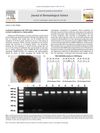
February 2011 in “Journal of dermatology” This study identified a specific LIPH gene mutation (736T>A) as common in Japanese patients with autosomal recessive woolly hair/hypotrichosis, potentially indicating its role in the condition's manifestation within this population.
 13 citations
,
November 2009 in “Journal of Dermatological Science”
13 citations
,
November 2009 in “Journal of Dermatological Science” This article discusses various dermatological studies cited by previous authors and reports no new clinical results.
 August 2016 in “Journal of Investigative Dermatology”
 This case report identifies a novel LIPH gene mutation linked to autosomal recessive woolly hair/hypotrichosis in a Japanese boy, expanding the spectrum of known mutations associated with this condition.
35 citations
,
August 2006 in “Molecular genetics and metabolism” This study found significant variation in tissue mutant load in individuals with the T8993G mutation, which complicates genetic counseling and may inform genotype-phenotype correlations, especially using hair bulb mtDNA analysis.
 9 citations
,
February 2018 in “The Journal of Dermatology”
9 citations
,
February 2018 in “The Journal of Dermatology” This study identified a novel splice site mutation in the LIPH gene associated with autosomal recessive woolly hair, contributing to understanding the genetic basis of this condition.
 September 2016 in “Journal of Dermatological Science”
 This study identified that in Japanese patients with autosomal recessive woolly hair/hypotrichosis, the c.736T > A LIPH mutation is associated with a mild phenotype, while the c.742C > A mutation may lead to severe baldness.
1 citations
,
September 2020 in “Journal of dermatology” This study identified a novel mutation and confirmed a previous mutation in the LIPH gene in a woman with autosomal recessive woolly hair, expanding the mutation spectrum for this condition.
3 citations
,
January 2011 in “生物医学研究杂志:英文版” In this study, a novel heterozygous transition mutation in the KRT86 gene was identified, which may be pathogenic for monilethrix in a Chinese family.
 September 2024 in “Journal of Medicine and Life”
 In this study, researchers identified a recurrent nonsense mutation, c.409C>T (p.Arg137*), in the COL7A1 gene through whole exome sequencing in a family with autosomal recessive dystrophic epidermolysis bullosa, demonstrating the importance of this method for diagnosing genetically complex conditions.
January 2022 in “International journal of dermatology and venereology” This case study reports a 36-year-old man with KID syndrome caused by an N14Y GJB2 mutation, expanding the mutation spectrum of this condition in the Chinese population.
 7 citations
,
June 2011 in “Movement Disorders”
7 citations
,
June 2011 in “Movement Disorders” A specific gene mutation is linked to a hereditary form of dystonia that responds well to certain medications.
June 2026 in “British Journal of Dermatology” In this case report, researchers observed a Slovakian neonate with a rare EGFR genetic mutation who presented with severe neonatal dermatoses, ichthyosis, and multisystem complications, emphasizing the significance of genetic diagnosis for such complex conditions.
78 citations
,
May 2012 in “Journal of Investigative Dermatology” A specific gene mutation causes woolly hair and hair loss.
 5 citations
,
June 2023 in “BMC genomics”
5 citations
,
June 2023 in “BMC genomics” This study found that a specific genetic mutation in the Fgf5 gene may contribute to the long-hair trait in Angora rabbits by reducing the binding capacity of the FGF5 protein.
9 citations
,
January 2014 in “Molecular Genetics and Metabolism Reports” This study discovered that a specific G to C mutation in the ornithine aminotransferase gene is linked to the retarded hair growth phenotype in mice and may serve as a model for human gyrate atrophy.
14 citations
,
March 2018 in “The American journal of case reports” This study highlights the phenotypic variability in 5 patients with Woodhouse-Sakati syndrome carrying the c.436delC mutation, suggesting a broader range of clinical presentations than previously recognized.
November 2025 in “Journal of Investigative Dermatology” A new genetic mutation causing Xeroderma Pigmentosum was found in an 8-year-old girl, affecting her DNA repair.
53 citations
,
May 1996 in “The Journal of Clinical Endocrinology & Metabolism” This study identified multiple mutations in the 5 alpha-reductase-2 gene among male pseudohermaphrodites in the Dominican Republic, suggesting they do not share a common ancestry.
 3 citations
,
February 2011 in “Journal of Biomedical Research/Journal of biomedical research”
3 citations
,
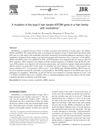
February 2011 in “Journal of Biomedical Research/Journal of biomedical research” This study identified a novel mutation, R430Q in the KRT86 gene, in a Han family with monilethrix, which may contribute to the disease's pathogenic mechanism.
 6 citations
,
May 2012 in “Archives of Dermatological Research”
6 citations
,
May 2012 in “Archives of Dermatological Research” This study reports a novel missense mutation in the HR gene in a 68-year-old Hungarian woman with alopecia universalis and limb deformities, suggesting a need for further research on its role in these conditions.
 6 citations
,
October 2020 in “Endocrine journal”
6 citations
,
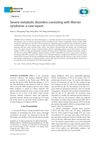
October 2020 in “Endocrine journal” This case report identifies two specific mutations in the WRN gene in a 40-year-old female with Werner syndrome, highlighting the need for awareness of its early manifestations and treatment options.
 2 citations
,
March 2022 in “Portuguese Journal of Nephrology & Hypertension”
2 citations
,
March 2022 in “Portuguese Journal of Nephrology & Hypertension” This manuscript describes two case reports of preterm newborns with a rare homozygous mutation in the epidermal growth factor receptor, leading to severe health issues and early mortality despite supportive care.
 4 citations
,
May 2020 in “Cureus”
4 citations
,
May 2020 in “Cureus” This case report describes an adult male from India with Werner's syndrome due to a novel homozygous mutation in the WRN gene, characterized by several premature aging symptoms.
33 citations
,
September 2017 in “Journal of Investigative Dermatology” A mutation in the KRT25 gene causes woolly hair and hair loss.
June 2010 in “Chinese Journal of Dermatology” This study found a novel R430Q gene mutation in hHb6, which may be linked to the hereditary hair disorder monilethrix in the examined family.