 August 2024 in “Dermatology and Therapy”
 This report describes a case where a 44-year-old male treated with vorasidenib for diffuse low-grade gliomas developed unexpected hair growth, including in areas of severe hair loss, after one month, highlighting a previously undocumented side effect.
 June 2015 in “Reactions Weekly”
 A man developed alopecia areata after starting cancer treatment with vandetanib.
 234 citations
,
September 2004 in “Clinical cancer research”
234 citations
,
September 2004 in “Clinical cancer research” In this Phase II study, BAY 43–9006, taken orally for renal cell carcinoma, stabilized disease in 30% of patients, with 40% responding positively, although the targets remain unclear.
January 1975 in “NJEA Review” This Phase II study found that BAY 43-9006, given at 400 mg orally twice daily, led to stable disease in 30% and tumor reduction in 40% of renal cell carcinoma patients.
 December 2025 in “npj Breast Cancer”
 In the phase 3 CAPItello-291 trial, capivasertib combined with fulvestrant significantly increased progression-free survival in patients with advanced breast cancer with specific genetic alterations, but the authors highlight that managing side effects like diarrhea, rash, and hyperglycemia is crucial for optimizing treatment adherence and outcomes.
 1 citations
,
July 2014 in “International Journal of Dermatology”
1 citations
,
July 2014 in “International Journal of Dermatology” A cancer patient developed a type of hair loss after starting a cancer drug called vandetanib.
188 citations
,
October 2014 in “Thyroid” This study found that dabrafenib was well tolerated and led to durable responses in patients with BRAF-mutant differentiated thyroid carcinoma, with a median progression-free survival of 11.3 months.
 3 citations
,
May 2025 in “Frontiers in Pharmacology”
3 citations
,
May 2025 in “Frontiers in Pharmacology” This study identified known and potential novel adverse events, such as squamous cell carcinoma and dehydration, for vismodegib, underlining the importance of monitoring especially in the first two months of treatment.
 8 citations
,
May 2019 in “Journal of dermatological treatment”
8 citations
,
May 2019 in “Journal of dermatological treatment” This study found that vismodegib was effective in treating basal cell carcinoma, achieving complete remission in some patients; however, significant side effects often required careful management to prevent therapy suspension, which can lead to resistance.
28 citations
,
September 2016 in “Future oncology” In this study, a UK expert panel discussed strategies for managing common side effects of vismodegib, a hedgehog pathway inhibitor used for advanced basal cell carcinoma, concluding that adverse events like taste disturbances and muscle cramps can be effectively managed to optimize treatment duration.
23 citations
,
December 2013 in “Molecular cancer therapeutics” This study found that AR-positive breast cancer cell lines are more sensitive to the dual PI3K/mTOR inhibitor NVP-BEZ235 compared to AR-negative cells.
 46 citations
,
February 2012 in “Oncology Reports”
46 citations
,
February 2012 in “Oncology Reports” This review summarizes existing studies on sorafenib, noting its promising effects in some cancers, but also highlights its limitations and potential synergy when combined with other anticancer treatments.
 21 citations
,
March 2015 in “Journal of The American Academy of Dermatology”
21 citations
,
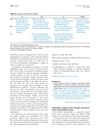
March 2015 in “Journal of The American Academy of Dermatology” In this study, five out of six patients treated with vemurafenib for metastatic melanoma experienced hair loss, which improved after topical steroid treatment.
82 citations
,
March 2013 in “PLoS ONE” In this study, vemurafenib was associated with a wide range of cutaneous side effects in patients with advanced melanoma, including photosensitivity and various skin and hair changes, necessitating regular dermatological management.
45 citations
,
July 2025 in “Journal of Medicinal Chemistry” This article discusses the development and clinical progress of PROTAC technology, particularly focusing on the New Drug Application for vepdegestrant, an estrogen receptor-targeting PROTAC, marking significant advancements in targeted protein degradation therapies.
39 citations
,
June 2019 in “Frontiers in Endocrinology” This study reported that while both sorafenib and lenvatinib may require dose modifications due to adverse events in treating advanced or metastatic thyroid cancers, key differences in side effect profiles were observed.
1 citations
,
November 2025 in “Neuro-Oncology” In this study, safusidenib erbumine was evaluated for its efficacy and safety in patients with untreated IDH1-mutated WHO grade 2 gliomas, achieving a 44.4% objective response rate and 87.9% 24-month event-free probability, but with some mild to moderate adverse effects.
173 citations
,
July 2012 in “British Journal of Dermatology” This study found that the administration of the mutant BRAF inhibitor dabrafenib in patients with metastatic melanoma was associated with various skin lesions, including keratinocytic proliferation that sometimes showed low-grade malignancy features.
 3 citations
,
August 2020 in “Cutaneous and Ocular Toxicology”
3 citations
,
August 2020 in “Cutaneous and Ocular Toxicology” This study demonstrated that adenosine triphosphate may prevent vandetanib-induced skin toxicity in rats, suggesting potential for further research in other animal models and humans.
1 citations
,
October 2024 in “Journal of the Endocrine Society” In this case report, researchers observed that the monoclonal antibody bevacizumab may worsen hypothyroidism in patients, as seen in a 60-year-old woman with metastatic duodenal carcinoma. The authors suggest that thyroid function should be monitored when using VEGF inhibitor therapies due to potential adverse effects.
1 citations
,
April 2023 in “Heliyon” In this study, a 68-year-old man with muscle-invasive bladder cancer and renal insufficiency achieved a partial radiological response to neoadjuvant therapy with gemcitabine and Disitamab Vedotin, without significant adverse events, highlighting a potential alternative for cisplatin-ineligible patients.
9 citations
,
October 2015 in “Cutaneous and ocular toxicology” This case report observed vemurafenib-induced pityriasis amiantacea, a scalp scaling reaction, in a patient with metastatic melanoma, which was managed symptomatically without altering vemurafenib treatment.
31 citations
,
March 2014 in “Journal of the European Academy of Dermatology and Venereology” In this study, multiple cutaneous adverse effects were observed in patients with metastatic malignant melanoma receiving BRAF inhibitors, but most were well managed with appropriate treatment.
 3 citations
,
June 2021 in “PLOS ONE”
3 citations
,
June 2021 in “PLOS ONE” This study found that topical application of the BRAF inhibitor vemurafenib improved wound healing and promoted hair follicle regeneration in a diabetic murine model.
The study reported that vismodegib showed significant effectiveness in treating basal cell carcinoma, particularly in patients with Gorlin-Goltz syndrome or locally advanced BCC, but also highlighted substantial side effects, requiring careful management to prevent treatment resistance and maintain remission.
December 2025 in “Drug Design Development and Therapy” This retrospective study reported that in HER-2-negative metastatic breast cancer patients, anlotinib combined with taxane/capecitabine showed superior disease control rate, progression-free survival, and overall survival compared to bevacizumab plus chemotherapy, with both treatments having tolerable safety profiles.
September 2002 in “Oncology Times” This study presented at the ASCO Annual Meeting reported that the epidermal growth factor receptor antibody ABX-EGF showed preliminary efficacy in renal cell cancer patients, with tolerable side effects, while bortezomib demonstrated clinical benefit in a significant proportion of multiple myeloma patients.
 65 citations
,
February 2015 in “Neuro-Oncology”
65 citations
,
February 2015 in “Neuro-Oncology” In this study, four children with recurrent atypical teratoid rhabdoid tumors experienced disease stabilization or regression after treatment with alisertib, suggesting its potential role in future trials for this condition.
 215 citations
,
March 2011 in “Clinical Cancer Research”
215 citations
,
March 2011 in “Clinical Cancer Research” This study found that sorafenib was active against desmoid tumors, with 25% of patients achieving a partial response and 70% maintaining stable disease.
January 2022 in “SSRN Electronic Journal” In this case study, a neoadjuvant therapy combining gemcitabine and Disitamab Vedotin proved effective and safe for a muscle-invasive bladder cancer patient with severe renal insufficiency, who could not tolerate platinum-based treatments. The study suggests this regimen may be a viable alternative, pending further research.