27 citations
,
February 2006 in “International Journal of Dermatology” This study concluded that isolated trichotillomania of the eyebrows and eyelashes, identified by specific hair characteristics, may be linked to underlying obsessive-compulsive disorders in affected patients.
 May 2026 in “Journal of Cutaneous and Aesthetic Surgery”
 This study observed that following hair transplantation, patients exhibited prominent perifollicular erythema and scaling one month after surgery, whereas by six months, accentuated follicular ostia and varying hair shaft abnormalities were consistently noted.
 7 citations
,
January 2016 in “Laboratory Investigation”
7 citations
,
January 2016 in “Laboratory Investigation” TR3 is mainly found in hair follicle stem cells and may be involved in hair loss.
 30 citations
,
January 2014 in “Dermatologic Clinics”
30 citations
,
January 2014 in “Dermatologic Clinics” This review discusses traction alopecia in individuals with Afro-textured hair and emphasizes the importance of education to prevent this condition, but it reports no new clinical results.
 September 2003 in “Current Paediatrics”
 This article outlines how pediatric hair problems present and how they can be assessed, without reporting new research results.
8 citations
,
January 2014 in “Indian Dermatology Online Journal” This article presents a case of trichostasis spinulosa, a common but often unrecognized disorder, diagnosed through dermoscopic examination of black macules revealing bundled vellus hairs, with the patient declining treatment.

In this case report, researchers documented a 19-year-old male professional athlete with acquired trichorrhexis nodosa, noting environmental factors like chlorine exposure during swimming may have contributed to his condition, which improved after advice on hair care changes.
 16 citations
,
January 2015 in “Annals of Dermatology”
16 citations
,
January 2015 in “Annals of Dermatology” In this study, trichoscopic features aiding differential diagnosis of alopecia in Korean patients were found to be similar to those in Caucasians, but pigment pattern frequencies differed due to racial characteristics.
 May 2026 in “Journal of Basic and Clinical Health Sciences”
 This study found that certain trichoscopic features, including hair diameter diversity patterns, helped differentiate female androgenetic alopecia from telogen effluvium in women, suggesting their potential use in clinical diagnosis.
 41 citations
,
January 2014 in “Annals of Dermatology”
41 citations
,
January 2014 in “Annals of Dermatology” This study found that dermoscopy showed distinctive patterns for different types of alopecia, supporting its clinical usefulness for diagnosing diseases with small round or oval hairless patches on the scalp.

In this review, researchers analyzed literature on trichotillomania and found advances in understanding its neurobiology—highlighting dysregulated reward circuits and genetics—and treatments, with behavioral therapy and innovative pharmacological approaches improving outcomes where traditional SSRIs do not.
31 citations
,
October 2018 in “Journal of the European Academy of Dermatology and Venereology” In this study, trichoscopic examination found distinct hair characteristics for diagnosing eyebrow loss: alopecia areata is marked by features like exclamation mark hairs, while frontal fibrosing alopecia shows dystrophic hairs and distinctive regrowth patterns.

This study evaluated the accuracy of the HairCheck device, a cross-section trichometer, and concluded that it effectively measures changes in hair diameter and density for assessing alopecia progression and treatment response.
 March 2026 in “Journal of Skin and Sexually Transmitted Diseases”
 This study reports ten cases of non-marginal traction alopecia in women with very long hair, which was improved with shorter hair cuts and topical minoxidil application.
 14 citations
,
May 2013 in “Experimental Dermatology”
14 citations
,
May 2013 in “Experimental Dermatology” This study found that the modified wash test was generally more effective than TrichoScan® for diagnosing hair loss, particularly telogen effluvium, though both methods showed only fair concordance with clinical diagnosis.
 May 2020 in “Research Square (Research Square)”
 This study found that trichilemmal carcinoma shares genetic changes with other skin cancers, suggesting a similar pathogenesis, particularly in those with aggressive clinical courses linked to TP53 mutations.
 1 citations
,
February 2018 in “Australasian journal of dermatology”
1 citations
,
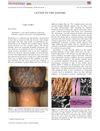
February 2018 in “Australasian journal of dermatology” Advanced imaging techniques are crucial for accurately diagnosing Monilethrix, a rare hair disorder.
 24 citations
,
March 2009 in “Journal of the European Academy of Dermatology and Venereology”
24 citations
,
March 2009 in “Journal of the European Academy of Dermatology and Venereology” This paper highlights trichodynia as a distinguishing symptom of telogen effluvium, but it does not present new clinical findings.
Trichorrhexis nodosa causes hair to break easily, often affecting young to middle-aged black women.
 76 citations
,
June 2008 in “Journal of the American Academy of Dermatology”
76 citations
,
June 2008 in “Journal of the American Academy of Dermatology” In this study, key histologic features such as mucinous perifollicular fibroplasia were identified to aid in the diagnosis of lichen planopilaris.
 44 citations
,
March 2004 in “Journal of Investigative Dermatology”
44 citations
,
March 2004 in “Journal of Investigative Dermatology” This study observed that in vitro treatment of male frontotemporal scalp hair follicles with 17-β-estradiol stimulated hair shaft generation and hair matrix keratinocyte proliferation, suggesting potential anagen-prolonging effects.
 35 citations
,
January 1993 in “International Journal of Dermatology”
35 citations
,
January 1993 in “International Journal of Dermatology” In this study, most hair disorders among HIV-1 positive patients were associated with low helper T cell counts, with papulosquamous conditions like seborrheic dermatitis and psoriasis being the most common.
 31 citations
,
January 1989 in “Clinical and Experimental Dermatology”
31 citations
,
January 1989 in “Clinical and Experimental Dermatology” In this study, topical 2% minoxidil did not significantly improve hair density measures in men with male pattern baldness, although there was no deterioration, suggesting a potential prophylactic effect.
 18 citations
,
October 2012 in “Dermatologic Clinics”
18 citations
,
October 2012 in “Dermatologic Clinics” This article discusses primary cicatricial alopecias, a group of rare inflammatory scalp disorders resulting in permanent hair loss, and reports no new findings.
 12 citations
,
January 2016 in “Skin appendage disorders”
12 citations
,
January 2016 in “Skin appendage disorders” This review summarizes existing knowledge about hair restoration surgery for scarring alopecia but reports no new clinical results.
11 citations
,
January 2009 in “Acta Dermato Venereologica” In this case report, a 37-year-old man with discoid lupus erythematosus experienced around 80% hair regrowth after treatment with a combination of oral and topical therapies.
 7 citations
,
January 2020 in “Postepy Dermatologii I Alergologii”
7 citations
,
January 2020 in “Postepy Dermatologii I Alergologii” Oxidative stress plays a role in female pattern baldness, causing an imbalance between harmful and protective elements in the body.
 4 citations
,
January 2016 in “Postepy Dermatologii I Alergologii”
4 citations
,
January 2016 in “Postepy Dermatologii I Alergologii” This article discusses various hair diseases and emphasizes their significant impact despite affecting a small area, but does not report new clinical findings.
 2 citations
,
October 2020 in “Dermatologie pro praxi”
2 citations
,
October 2020 in “Dermatologie pro praxi” In this review, the authors focus on understanding various forms of alopecia, emphasizing that early diagnosis is crucial, especially for scarring alopecia, where follicle changes can become irreversible.
 1 citations
,
May 2023 in “AYUSHDHARA”
1 citations
,
May 2023 in “AYUSHDHARA” This study explores the Ayurvedic concept of Akala Palitya, or premature greying, noting that its incidence is rising due to modern lifestyle changes and environmental factors, particularly in tropical and developing countries.