
This study found that Wnt7a protein expression increased after corneal epithelial injury and promoted human corneal epithelium cell proliferation by upregulating fibronectin and enhancing cell adhesion.
 January 2023 in “Pakistan Armed Forces Medical Journal”
In this thesis, researchers explored ways to enhance the management of myotonic dystrophy type 1 by investigating the genetic inheritance patterns, especially small-sized repeat expansions, and assessing cardiac care, energy expenditure, and body composition in affected individuals.
 January 2023 in “Frontiers research topics”
 This article describes the Frontiers journal series, highlighting its open-access approach and tiered publishing system, but it presents no new empirical findings.
This study developed a new analytical method to identify a wide range of endocrine disrupting compounds in full-term amniotic fluid, revealing diverse substances with potential endocrine activity.
 October 2022 in “Journal of experimental and clinical medicine”
 This review covers the potential of repurposing existing drugs for treating COVID-19 and updates on virus- and host-targeting drug candidates, reporting no new experimental results.
 October 2022 in “Research Square (Research Square)”
 This study found that volatile compounds from Bacillus subtilis strain WM13-24 improved root development in Arabidopsis by influencing auxin signaling.
 June 2022 in “Evidence-based complementary and alternative medicine”
 This study found that acupressure on specific points improved health-related quality of life and reduced total testosterone levels and clinical symptoms in patients with polycystic ovary syndrome compared to controls.
 March 2022 in “Marmara University Open Access System”
 This article critically examines the relationship between new media and digital games, emphasizing their cultural and historical contexts, but provides no new empirical findings.
 January 2022 in “Acta dermatovenerologica Alpina, Pannonica et Adriatica (Tiskana izd.)”
 This article presents an overview of uncombable hair syndrome, emphasizing its clinical and molecular characteristics and noting systemic manifestations such as neuropsychiatric, ophthalmic, and cardiopulmonary issues.
 November 2021 in “Chattagram Maa-O-Shishu Hospital Medical College Journal”
 This descriptive study reported that Chronic Cutaneous Lupus Erythematosus was the most prevalent subtype, highlighting distinct clinical and pathological features among Cutaneous Lupus Erythematosus subtypes.
 August 2021 in “Research Square (Research Square)”
 This study found that BEO inhibited cell proliferation and inflammatory mediator release in a human keratinocyte acne model and reduced acne lesion severity in a rabbit model, suggesting its potential as a natural alternative to conventional acne treatments.

This study found that Nubian ibex have developed genetic adaptations in response to their desert environment, including enhanced skin barrier, DNA repair, viral response, and metabolism of toxic compounds.
 March 2021 in “Research Square (Research Square)”
 This study found that overexpression of the SbbHLH85 gene in sweet sorghum increases root hair growth and Na+ absorption, but negatively affects salt tolerance.
 November 2020 in “Elsevier eBooks”
 This source outlines various antiandrogen and androgen inhibitor drugs used to treat cutaneous disorders of hyperandrogenism, detailing their mechanisms, uses, dosages, and side effects, with emphasis on spironolactone, finasteride, dutasteride, and oral contraceptives.
 January 2020 in “Research Portal Denmark”
 This study concludes that anti-androgenic chemicals causing short anogenital distance in male fetuses also induce a feminized transcriptional profile in the perineum, implicating Wnt and estrogen signaling in the process.
 January 2020 in “Medpulse International Journal of General Medicine/Medpulse International Journal of Medicine”
 In this study, among 50 patients with premature hair graying, the combination of biotin, zinc, and calcium pantothenate showed no significant efficacy in treating the condition, and the researchers observed associations with other disorders such as anemia, alopecia areata, thyroid disorder, and vitiligo.
 January 2020 in “Asian journal of applied science and technology”
 This source provides an overview of the dietary recommendations for macronutrient intake and the benefits of plant-based diets, including meeting essential amino acid needs through combining plant proteins and the advantages of consuming complex carbohydrates and adequate fiber for health.
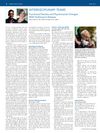
The interdisciplinary approach improved the quality of life for a Parkinson's patient and eased staff workload.
 January 2019 in “Elsevier eBooks”
 Early detection and skin biopsies are crucial for treating skin cancer and diagnosing various skin conditions.

This review found that antimalarial agents were more effective than steroids for Lichen planopilaris, while finasteride and dutasteride showed favorable impacts on frontal fibrosing alopecia, despite heterogeneous study quality.
 July 2018 in “British Journal of Dermatology”
 Hair regrowth was seen in 83% of children with alopecia, immune system plays a role in the condition, and various treatments showed effectiveness for hair and nail disorders.
 April 2018 in “Journal of Investigative Dermatology”
 This study found that twice-daily application of 5% Minoxidil did not significantly impact hair growth in Sinclair minipigs over 27 days.
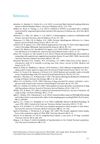
This reference list, part of a book by Alex Gough, Alison Thomas, and Dan O'Neill, compiles citations from veterinary journals on various canine and feline health issues, but reports no new research findings.

This study found that proretinal nanoparticles, applied topically, are safe and effective for penetration into hair follicles, enhancing retinoid biological activity in the skin while reducing irritation compared to conventional retinal formulations.
 January 2018 in “International journal of medical biochemistry”
 This study found that female patients with telogen effluvium had significantly lower levels of serum ferritin, folate, and vitamin B12 compared to the control group.

This article discusses conventional and alternative treatments for hair loss but presents no new findings, highlighting concerns about the unknown long-term effects of approved drugs.
This study suggests that dermoscopy provides additional insights for diagnosing pattern alopecia in short coated dogs, beyond what is visible through standard dermatological examination.
 January 2017 in “Jikken doubutsu ihou/Jikken doubutsu/Experimental animals/Jikken Dobutsu”
 This study found that in transgenic mice overexpressing a mutant hairless gene, changes in its expression affected hair loss and regrowth, implicating the gene's role in hair follicle biology.
 January 2017 in “Brazilian Journal of Pharmaceutical Sciences”
 This study identified neprilysin as a potential target of the pharmacological agent arteannuin, which may guide future research into its clinical applications, although experimental verification is needed.