 January 2020 in “Research Portal Denmark”
 This study concludes that anti-androgenic chemicals causing short anogenital distance in male fetuses also induce a feminized transcriptional profile in the perineum, implicating Wnt and estrogen signaling in the process.
81 citations
,
August 1979 in “Archives of Dermatology” This case report describes a trichofolliculoma with perineural invasion, highlighting a rare and clinically significant finding in a typically benign hair follicle tumor.
 1 citations
,
April 2023 in “Clinical, cosmetic and investigational dermatology”
1 citations
,
April 2023 in “Clinical, cosmetic and investigational dermatology” This study reviewed existing literature and reported two cases of perinevoid alopecia, suggesting that melanocyte antigens may be involved in its development.
 January 2025 in “Dermatology Practical & Conceptual”
 Perinevoid alopecia can be effectively treated with non-invasive corticosteroids.
January 2024 in “International Journal of Trichology” This case report describes successful hair regrowth after removing a nevus in a patient with perinevoid alopecia and concentric regrowth, which are rare patterns of alopecia areata.
 September 2023 in “Nature communications”
 This study found that VE-cadherin and Alk1, traditionally linked to vascular functions, also play crucial roles in maintaining nerve homeostasis in mice during hair growth cycles by modulating certain cell populations.
 3 citations
,
January 2020 in “Acta Dermato Venereologica”
3 citations
,
January 2020 in “Acta Dermato Venereologica” This clinical case report presents photographs of a patient with Netherton syndrome, highlighting severe inflammatory vegetative lesions on the pubic area and umbilicus.
 January 2024 in “Wiadomości Lekarskie”
 This study highlights the role of innate immunity and purinergic signaling in regulating hematopoiesis and hematopoietic stem/progenitor cell specification. The researchers observed that these ancient pathways operate both paracrinally and autocrinally within HSPCs, maintaining their developmental function throughout evolution.
November 2012 in “Journal of Clinical Pathology”  4 citations
,
February 2022 in “Frontiers in molecular biosciences”
4 citations
,
February 2022 in “Frontiers in molecular biosciences” This study revealed that chronic restraint stress in mice led to significant alterations in metabolic pathways and gene expression associated with hair growth inhibition, using metabolomics and transcriptomics analyses.
 January 2026 in “RSC Advances”
 This study used a zebrafish model and advanced mass spectrometry to identify 11 metabolites of epristeride, revealing significant effects on purine metabolism and aromatic amino acid biosynthesis, which may aid in developing anti-doping detection methods.
 April 2025 in “Journal of Skin and Stem Cell”
 This review discusses the potential of polydeoxyribonucleotide (PDRN) for various dermatological treatments and highlights its significant effects on wound healing, anti-aging, acne scars, and hair loss, but emphasizes the need for further clinical studies.
May 2018 in “KU ScholarWorks (The University of Kansas)” This study found that in animal models of Tourette syndrome, stress-induced tic-like behaviors and sensorimotor gating deficits were reduced by finasteride, suggesting a role for neurosteroids like allopregnanolone.
 396 citations
,
May 2011 in “Cell stem cell”
396 citations
,
May 2011 in “Cell stem cell” This study found that Shh from neurons signals to Gli1-expressing cells in the hair follicle, cultivating a niche where these bulge cells can potentially transform into epidermal stem cells in wound healing.
 122 citations
,
July 1990 in “Teratology”
122 citations
,
July 1990 in “Teratology” This study found that oral administration of finasteride to pregnant rats caused dosage-related developmental toxicities, including hypospadias and decreased anogenital distance in male offspring.
78 citations
,
August 1996 in “The Journal of Clinical Endocrinology & Metabolism” This study reports that the same androgen receptor gene mutation within a family can lead to both complete and partial androgen insensitivity syndromes, suggesting that genetic defects alone may not predict clinical phenotype.
20 citations
,
January 1946 in “Journal of Dairy Science” In this study, calves fed skim milk and soybean oil experienced hair loss over the perineal region, which regrew once they began consuming hay or grain, despite continuing the same diet.
May 2026 in “Journal on musculoskeletal ultrasound in pain medicine.” In this case study, a 29-year-old male experienced chronic pelvic pain and erectile dysfunction after finasteride use, with no effective relief from pharmacological and procedural interventions, prompting a shift towards pain education and behavioral strategies due to a possible nociplastic pain mechanism.
 April 2017 in “Australasian Journal of Dermatology”
 This study observed that systemic acitretin improved symptoms in 75% of lichen planopilaris patients, despite varied responses and a dominant female prevalence.
 5 citations
,
July 2022 in “Journal of Clinical Medicine”
5 citations
,
July 2022 in “Journal of Clinical Medicine” This study found histopathological evidence of hypertrophy in nerve endings that may explain the cutaneous neurosensory symptoms in some long COVID-19 patients.
1 citations
,
October 2024 in “JCEM Case Reports” In this case report, a patient with pseudovaginal perineoscrotal hypospadias due to 5α-reductase deficiency presented gender dysphoria, and after genomic sequencing confirmation, injectable testosterone undecanoate treatment successfully developed desired male secondary sexual characteristics.
 September 2023 in “Plant journal”
 This study showed that the zinc finger protein GIS3 is important for root hair growth in Arabidopsis by regulating RHD2 and RHD4 genes, with application of ethylene and cytokinin helping restore root hair presence in mutated variants.
22 citations
,
September 2008 in “International Journal of Dermatology” This case report describes a 41-year-old woman with segmental vitiligo and lichen sclerosus in the perineal region, where treatment with clobetasol ointment improved repigmentation and resolved many symptoms, although some scaling persisted.
21 citations
,
December 2015 in “Development Growth & Differentiation” This study introduces genital sex differentiation parameters (GSDP) to analyze sexual differences in external genitalia and perineum development in mice, revealing varied sensitivity to androgen inhibition in genital structures.
 April 2019 in “The journal of investigative dermatology/Journal of investigative dermatology”
 This study demonstrates that extracellular ATP induced by UV radiation promotes melanin production in human melanocytes, suggesting ATP-induced purinergic signaling may influence skin pigmentation.
72 citations
,
October 1992 in “Archives of Dermatology” This study describes five patients whose cystic fibrosis was initially indicated by a rash associated with protein-energy malnutrition, highlighting the importance of early symptom recognition for timely diagnosis and treatment.
June 2026 in “Morphology” This study found that IBA-1-immunopositive macrophages in rat skin during wound healing show varied morphometric characteristics and peak in numbers at 2, 6, and 15 days post-injury.
 September 2024 in “Journal of the American Academy of Dermatology”
 In this case report, a 53-year-old woman with Little-Graham-Piccardi-Lassueur-Syndrome responded well to a treatment regimen of hydroxychloroquine, methotrexate, and other therapies, effectively halting the progression of this rare dermatosis characterized by alopecia and hyperkeratotic eruptions.
 December 2021 in “Research Square (Research Square)”
 In this study, high expression of S100A4 in glioblastoma was associated with worse patient survival and promoted tumor progression by enhancing pro-tumorigenic vascular functions.
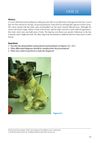 May 2019 in “Small Animal Dermatology”
 This chapter discusses a case of sebaceous adenitis in a Japanese Akita, providing educational material for students and practitioners but reports no new research findings.