 1 citations
,
April 2022 in “Annals Academy of Medicine Singapore”
1 citations
,
April 2022 in “Annals Academy of Medicine Singapore” This review covers the clinical features and heterogeneity of polycystic ovary syndrome and reports no new findings, emphasizing the need for further research on its complex traits and interactions.
January 2011 in “Journal of the American Academy of Dermatology” Finasteride may cause pseudoporphyria, a blistering skin condition.
 103 citations
,
March 2015 in “Nature Communications”
103 citations
,
March 2015 in “Nature Communications” This study identified a genetic locus associated with idiopathic scoliosis in females, which might influence spinal gene expression and was previously linked to protection from early-onset alopecia.
December 2025 in “Rapid Communications in Mass Spectrometry” This study found that pepsin digestion was more effective than trypsin at identifying keratin-associated proteins in human hair shafts and confirmed that trypsin introduced a bias in the analysis of protein composition that pepsin can correct.
 1 citations
,
January 2023 in “Journal of Drugs in Dermatology”
1 citations
,
January 2023 in “Journal of Drugs in Dermatology” This review discusses Graham-Little Piccardi-Lasseur syndrome, a rare dermatosis with limited treatment options, emphasizing the importance of early diagnosis through physical exam and dermoscopy, but reports no new results.
46 citations
,
November 2004 in “Lipids” This study suggests PPAR isotypes play distinct roles in skin, influencing epidermal barrier formation, sebocyte differentiation, and lipid production, with potential implications for treating skin disorders.
 April 2016 in “The journal of investigative dermatology/Journal of investigative dermatology”
 The researchers reported that disrupting the RPGRIP1L gene in mice impaired desmosome function, causing skin blistering, and their findings suggest that PKCβII inhibition could help treat pemphigus.
 1 citations
,
October 2022 in “Dermatology practical & conceptual”
1 citations
,
October 2022 in “Dermatology practical & conceptual” Isolated patchy heterochromia with pili annulati can occur without other health issues.
This case report details a child with a specific TNFAIP3 mutation manifesting as a severe SLE/SS phenotype, expanding the known phenotype for this genetic variant.
 February 2025 in “Indian Dermatology Online Journal”
 This case report describes a rare occurrence of pincer nail deformity in a patient with systemic lupus erythematosus, potentially linked to Raynaud's phenomena as a contributing factor.
December 2021 in “Figshare” This study suggests that BBS7 is crucial for maintaining Sonic hedgehog signaling activity, which is important for periodontal ligament homeostasis under occlusal hypofunction conditions.
March 2022 in “Journal of Pakistan Association of Dermatologists” This case report describes a pregnant woman with pemphigus vulgaris whose condition improved with systemic corticosteroid treatment, highlighting the challenges of managing PV during pregnancy and the importance of intensive monitoring.
 22 citations
,
August 2019 in “Environmental research”
22 citations
,
August 2019 in “Environmental research” This study found that the Pseudomonas sp. T5-6-I strain significantly increased selenium accumulation and root hair density in Brassica oleracea, highlighting its potential for phytoremediation and biofortification.
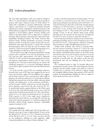 April 2012 in “Informa Healthcare eBooks”
 Lichen planopilaris is a rare, chronic condition causing hair loss, mainly in middle-aged women, and early treatment is important to prevent permanent baldness.
December 2021 in “Figshare” This study found that BBS7 is crucial for maintaining Shh signaling and periodontal ligament homeostasis, with occlusal hypofunction leading to its downregulation and impacting cell migration and angiogenesis.
16 citations
,
April 2016 in “Medicine” This study described a case where lupus erythematosus panniculitis preceded the diagnosis of systemic lupus erythematosus, highlighting the need for regular follow-ups in LEP patients for potential SLE development.
18 citations
,
February 2024 in “Nutrients” This study investigated a novel extract from pomegranate byproducts, finding it effective in reducing blood pressure and inflammation in hypertensive rats, comparable to Captopril, while also highlighting the extract's potential to enhance the pomegranate supply chain and environmental benefits.
 5 citations
,
November 2021 in “Saudi medical journal”
5 citations
,
November 2021 in “Saudi medical journal” This report describes three Saudi sisters with Woodhouse-Sakati syndrome, who exhibited typical features of the condition along with unusual gynecological anomalies.
3 citations
,
July 2022 in “Indian Journal of Dermatology” This report describes a case of acute localised exanthematous pustulosis in a 19-year-old boy after using amoxicillin-clavulanic acid, with new dermoscopic features identified.
 June 2022 in “Al-Qadisiyah Journal of Veterinary Medicine Sciences”
 This study found that 660 nm laser treatment and povidone iodine both eradicated Pseudomonas aeruginosa infection in mice wounds, with the laser enhancing healing, and the combination provided additive or synergistic healing benefits.
13 citations
,
February 2024 in “Clinical Cosmetic and Investigational Dermatology” This study demonstrated that intradermal treatment with a medical device using Polynucleotides High Purification Technology (PN HPT) significantly improved skin surface, firmness, pigmentation, and radiance in 30 Asian subjects, with benefits lasting up to six months and no adverse events reported.
7 citations
,
September 2024 in “Journal of Microbiology and Biotechnology” This study found that Peperomia pellucida, a plant traditionally consumed in some countries, contains various antioxidants and extends lifespan under oxidative stress in Drosophila, with no observed toxicity in mice, supporting its potential safety and use in foods and pharmaceuticals.
 45 citations
,
July 2009 in “Journal of Investigative Dermatology”
45 citations
,
July 2009 in “Journal of Investigative Dermatology” This study reported significant upregulation and release of S100A4 in psoriatic skin, which may actively contribute to psoriasis pathogenesis.
September 2014 in “Emergency Medicine News” This case report describes the diagnosis of pseudoporphyria in a hemodialysis patient, highlighting the importance of discontinuing causative medications and advising patients on sun protection to manage this photosensitive condition.
 January 2026 in “Frontiers in Medicine”
 In this study, PP-PTKL exhibited antioxidant, anti-inflammatory, and pro-melanogenic effects in laboratory settings, suggesting its potential role in preventing or treating hair greying. Further animal and human studies are needed to verify these findings.
 May 2026 in “AAPS PharmSciTech”
 This study found that PEGylated LUT-Aspasomes significantly improved neuroprotective effects in stressed rats, enhancing spatial memory, reducing depressive-like behavior, and preserving hippocampal architecture better than free luteolin. Additionally, it increased brain delivery and stability, suggesting potential for treating stress-related neurobehavioral disorders.
October 2022 in “Hair Transplantation” This article discusses the temporary scalp trichopigmentation procedure, detailing its unique approach compared to traditional scalp micropigmentation, and reports no new clinical findings.
July 2024 in “Journal of Investigative Dermatology” PP405 may help hair growth by activating hair follicle stem cells.
 May 2020 in “International journal of current microbiology and applied sciences”
 This case report describes a 3-year-old pug with mixed Demodicosis and Staphylococcal infections that recovered completely after two months of combined antiparasitic, antibacterial, anti-inflammatory treatment, and supportive therapy.
January 2023 in “Zenodo (CERN European Organization for Nuclear Research)” In this case report, an 8-month-old pug with poor health and skin issues was treated effectively for mixed infections, resulting in complete recovery after 60 days.