 2 citations
,
October 2022 in “International journal of Ayurvedic medicine”
2 citations
,
October 2022 in “International journal of Ayurvedic medicine” This review examines the traditional uses and biological activities of Glycyrrhiza glabra in Ayurveda, but reports no new clinical results; the authors identify a gap in evidence supporting its medicinal potential.
 January 2026 in “Magazine Portal Bibliotech Digital (Universidad Nacional de Colombia)”
 This study found that rosemary extracts, both individually and in combination as shampoo and hair tonic, stimulated significant hair growth in male C57BL6//BIOU mice, even surpassing the growth achieved with the commercial drug 5% minoxidil.
 8 citations
,
November 1990 in “Archives of Dermatology”
8 citations
,
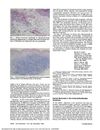
November 1990 in “Archives of Dermatology” This case report details a woman with eosinophilia-myalgia syndrome associated with L-tryptophan ingestion, highlighting skin lesions with abundant dermal mucin.
 August 2026 in “Biology Bulletin Reviews”
 This study found that extracts from Avicennia marina, Moringa oleifera, and Calotropis procera demonstrated strong antibacterial, antioxidant, and hair-growth-promoting properties, with A. marina showing the most pronounced effects.
June 2024 in “JURNAL BIOLOGI TROPIS” In this systematic literature review, researchers reported that Moringa oleifera Lamk. leaf extract may serve as a potential anti-acne agent, demonstrated by its ability to inhibit the growth of acne-causing bacteria in laboratory settings.
 1 citations
,
July 2017 in “Journal of Pharmacognosy and Phytochemistry”
1 citations
,
July 2017 in “Journal of Pharmacognosy and Phytochemistry” This study identifies various phytochemicals in Thuja orientalis bark, potentially aiding its botanical identification and quality standardization.
 March 2022 in “Indonesian Journal of Chemistry”
 This review discusses the traditional uses, phytochemistry, and pharmacological activities of Curcuma aeruginosa Roxb., highlighting its potential as a source for therapeutic applications and drug development, but it reports no new clinical results.
This study reviews the medicinal uses of Catharanthus roseus, highlighting its production of valuable anticancer alkaloids like vincristine and vinblastine, and its applications in treating diabetes, hypertension, and infections, but also notes potential side effects such as nausea and myelosuppression, especially at high doses.
14 citations
,
December 1991 in “Annals of the New York Academy of Sciences” This study reports that lower levels of N-myc mRNA are observed when hair growth ceases in certain phases in mice, and attempts to create transgenic mice for further investigation resulted in high embryonic mortality.
 4 citations
,
July 2022 in “International Journal of Health Sciences”
4 citations
,
July 2022 in “International Journal of Health Sciences” This review discusses rosemary's potential health benefits, including improved scalp circulation and skin protection, but reports no new clinical findings and highlights the need for better regulation and safety data on herbal medicines.
6 citations
,
July 2005 in “Acta Ophthalmologica Scandinavica” This case report suggests that madarosis, or eyelash loss, may be associated with mitochondriopathy, expanding the known causes of madarosis to include this condition.
64 citations
,
May 1981 in “Clinical and Experimental Dermatology” This case report describes a patient with myasthenia gravis, alopecia, and hair follicle hamartoma, showing notable similarities to a previously reported case.
 10 citations
,
September 1997 in “Molecular carcinogenesis”
10 citations
,
September 1997 in “Molecular carcinogenesis” This study found that mirex and TPA promote papilloma formation in CD-1 mouse skin through distinct populations of mutant Ha-ras cells, resulting in additive tumor yields.
 48 citations
,
June 1988 in “PubMed”
48 citations
,
June 1988 in “PubMed” In this study, minoxidil sulfate was found to relax norepinephrine-induced contractions in rabbit mesenteric arteries, possibly by acting as a K+ channel agonist, but it did not relax K+-induced contractions.
January 2018 in “Turkiye Klinikleri Journal of Dermatology” This study identified the most common plants in hair cosmetics, like shampoos and dyes, with Rosmarinus officinalis L. and Lawsonia inermis L. leading, to serve as a reference for future research and healthcare professionals.
53 citations
,
July 2021 in “International Journal of Molecular Sciences” This study found that extracts from Geranium pyrenaicum show promising antioxidant, enzyme inhibitory, and antiviral activities, particularly the methanolic extract's antiviral activity against HSV-1.
November 2025 in “JOURNAL OF EXPERIMENTAL ZOOLOGY INDIA” This study observed that thymol from Origanum marjoram essential oil significantly promoted hair regrowth and reduced inflammation in cyclophosphamide-induced alopecia in rabbits, with effects that were comparable to or exceeded those of betamethasone, highlighting its potential as a safer treatment alternative.
November 2025 in “Archaeometry” This study analyzed animal hairs from 18th-century burial sites in Mazamet, France, reporting distinct hair morphologies consistent with the use of common local animal furs such as goat, badger, cow, or horse, reflecting the modest socioeconomic status of the individuals interred.
December 2020 in “Jurnal Kedokteran Hewan” In this study, researchers found that cayenne leaf extract significantly enhanced hair length and quantity in mice, with a 10% concentration being the most effective for stimulating growth.
 2 citations
,
November 2022 in “Skin research and technology”
2 citations
,
November 2022 in “Skin research and technology” This study found that the p.E402K mutation in the KRT86 gene is a hotspot in Chinese patients with monilethrix, and treatment with 5% topical minoxidil significantly improved hair density and quality.
16 citations
,
June 2016 in “Innovare Academic Sciences - Innovare Journal of Ayurvedic Sciences” This article reviews historical and traditional uses of the herb Bacopa monnieri, or Brahmi, for enhancing memory and other medicinal benefits, but presents no new research findings.
1 citations
,
August 2024 in “Journal of Morphology” This study observed that developing mammary organs in Monodelphis domestica show mammary hairs in 12-week-old females, which disappear by 18 weeks, with findings suggesting shared characteristics between their nipples and eutherian nipples, supporting the evolutionary link between mammary glands and hair organs.
1 citations
,
June 2010 in “Daehan miyong hakoeji” Rosemary oil promotes hair growth.
 November 2023 in “Journal of plant nutrition and soil science”
 This study observed that maize plants, including a root hairless mutant variety, did not exhibit typical root growth or compensatory foraging behavior under severe boron deficiency in soil, indicating atypical responses compared to other plants.
July 2021 in “Anais brasileiros de dermatologia/Anais Brasileiros de Dermatologia” This article reports on a family with six members diagnosed with monilethrix, highlighting varying degrees of alopecia linked to this rare hair shaft defect.
 17 citations
,
December 2003 in “Veterinary dermatology”
17 citations
,
December 2003 in “Veterinary dermatology” In this study, mange lesions with alopecia and crusts in masked palm civets in Japan were caused by the mite Notoedres cati.
August 2024 in “Journal of Ayurveda and Holistic medicine.” This review study reports that while Bharangi, a traditional Indian medicinal shrub, is used for various conditions like asthma and epilepsy, it has been clinically underexplored and could benefit from scientific validation for broader use.
 June 2024 in “Neuromuscular Disorders”
 In this report, a 58-year-old woman with ocular myasthenia gravis experienced complete resolution of symptoms and hair regrowth after six months of treatment with the JAK inhibitor baricitinib, highlighting a potential new therapeutic approach for this condition.
 5 citations
,
January 1998 in “Clinical and experimental dermatology”
5 citations
,
January 1998 in “Clinical and experimental dermatology” This article discusses the late presentation of myotonic dystrophy but reports no new clinical findings.