 January 2017 in “Springer eBooks”
 The document explains various skin conditions and their treatments.
 January 2011 in “Springer eBooks”
 Eating a balanced diet with the right vitamins and minerals is important for healthy hair, but too many supplements can be harmful.
 July 1980 in “Journal of The American Academy of Dermatology”
 The conference concluded that understanding hair and nail disorders is important, iron deficiency may be linked to hair loss, and while some treatments for skin conditions are effective, they may have risks and high costs.
 73 citations
,
July 2016 in “Cosmetics”
73 citations
,
July 2016 in “Cosmetics” This review discusses the use of mushrooms and their bioactive compounds in cosmeceuticals and nutricosmetics and reports no new clinical findings, highlighting potential areas for future research and development.
 March 2024 in “Jordan Journal of Biological Sciences”
 This study reported that the Pamona indigenous community near Lake Poso, Indonesia, relies on 21 macrofungi species for diverse uses, including food and medicine, helping to address malnutrition and disease prevention.
 54 citations
,
September 1972 in “British journal of nutrition”
54 citations
,
September 1972 in “British journal of nutrition” Malnutrition severely harms growth and development in young baboons.
 April 2015 in “Archives of disease in childhood”
 This case report describes a British toddler diagnosed with Kwashiorkor, highlighting that such malnutrition-related disorders are rare in developed countries due to strong socio-economic support systems.
 April 2015 in “Journal of Nutritional Therapeutics”
 This study found that a more liberal intake of restricted amino acids in patients with methylmalonic acidemia resulted in improved growth and fewer illness episodes.
4 citations
,
October 2003 in “PubMed” This study in a rat model found that dietary rehabilitation with a high protein diet reversed symptoms of kwashiorkor, suggesting a role for free radicals in its development.
1 citations
,
January 2014 in “Assiut Veterinary Medical Journal/Maǧallaẗ Asyūṭ al-ṭibiyyaẗ al-baytariyyaẗ” This study in Aswan governorate reported that emaciated cattle showed decreased blood cell counts and serum minerals, as well as elevated liver enzymes, possibly associated with parasitic infections.
18 citations
,
June 2016 in “Clinical and Experimental Dermatology” This case study reports that an infant with maple syrup urine disease developed acrodermatitis dysmetabolica due to low isoleucine levels, and increasing the isoleucine dose improved the condition.
 August 2023 in “Dermatology reports”
 This case study of a 2-month-old boy with maple syrup urine disease highlights the dangers of restricting branched-chain amino acid intake, as it led to acrodermatitis dysmetabolica-like skin eruptions and hair loss, later resolved with careful dietary adjustments and monitoring.
2 citations
,
August 2004 This study found that early diagnosis using gas chromatography/mass spectrometry and appropriate long-term treatment are crucial for improving outcomes in patients with methylmalonic acidemia.
October 2009 in “The American Journal of Gastroenterology” This case report suggests that isolated amylase deficiency can lead to failure to thrive in children, and pancreatic enzyme supplementation may improve associated symptoms.
 2 citations
,
July 2022 in “Pediatric dermatology”
2 citations
,
July 2022 in “Pediatric dermatology” This case report highlights that a restrictive rice milk diet in a young child led to kwashiorkor with severe malnutrition, skin changes, and developmental regression, which improved with a protein-rich therapeutic diet.
1 citations
,
October 2010 in “Pediatrics in review” This review article discusses various pediatric malabsorption disorders, highlighting their symptoms, causes, diagnostic methods, and treatment but provides no new clinical results.
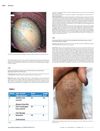 October 2017 in “The American journal of gastroenterology”
 This case series highlights severe micronutrient deficiencies and complications in three patients who did not adhere to follow-up care after Roux-en-Y gastric bypass, emphasizing the importance of regular nutritional monitoring.
19 citations
,
February 2001 in “Journal of paediatrics and child health” This report documents a 14-year-old Chinese boy with mitochondrial encephalopathy, lactic acidosis, stroke-like episodes, and a de novo A3243G mitochondrial DNA mutation, highlighting the condition's multisystem involvement without ragged red fibers in muscle biopsy.
 June 2012 in “Springer eBooks”
 Skin changes can indicate starvation and nutritional deficiencies in anorexia nervosa.
 December 2024 in “Livers”
 This case report highlights a female patient with familial partial lipodystrophy who showed significant improvement in liver stiffness after starting leptin replacement therapy.
 March 2025 in “Journal of Medical Research and Surgery”
 This report details a case of severe protein-energy malnutrition resembling kwashiorkor in a 43-year-old woman after bariatric surgery, highlighting the crucial role of early diagnosis and a multidisciplinary approach in managing nutritional complications and improving outcomes in similar patients.
 9 citations
,
November 1978 in “Diabetes Care”
9 citations
,
November 1978 in “Diabetes Care” This study suggests that behavior modification, semistarvation ketogenic regimens, and surgical therapy could be experimental approaches for different degrees of obesity, with their efficacy varying by the degree of weight excess.
 January 2024 in “JAAD case reports”
 This study discusses zinc's vital role in skin cell growth and how its deficiency can lead to acrodermatitis enteropathica, marked by symptoms like alopecia and dermatitis. It notes that similar symptoms appear in people with certain metabolic conditions, referred to as acrodermatitis dysmetabolica.
49 citations
,
July 1994 in “British journal of dermatology/British journal of dermatology, Supplement” This study observed that 13 out of 38 children with methylmalonic and propionic acidaemia exhibited specific cutaneous manifestations, suggesting these conditions may include skin symptoms more often than previously thought.
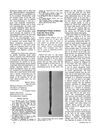 47 citations
,
July 1967 in “Science”
47 citations
,
July 1967 in “Science” This study observed morphological changes in scalp hair follicles of humans deprived of protein for 15 days, which suggests potential use in diagnosing protein-calorie malnutrition.
 October 2022 in “JAAD case reports”
 This case report identifies necrolytic migratory erythema associated with a glucagonoma in a 40-year-old man, presenting with distinct skin lesions, weight loss, and diarrhea.
 April 2024 in “Food science & nutrition”
 This study assessed malnutrition among 657 internally displaced school-aged children in Cameroon, finding high rates of stunting (27.1%), wasting (23%), thinness (21.6%), underweight (20.1%), anemia (30%), low serum iron (44.5%), and poor protein status (35.7%), highlighting the urgent need for nutrition interventions.
July 2004 in “DOAJ (DOAJ: Directory of Open Access Journals)” This preliminary study explores the role of melancholic mania in anorexia nervosa, noting it may reinforce the condition's difficult-to-reverse pathology and is often accompanied by poor self-esteem and maternal fixation.
 January 2023 in “Integrative Journal of Medical Sciences”
 This report presents a case of a child with hypothyroidism and poorly controlled type 1 diabetes developing both Mauriac syndrome and Van Wyk–Grumbach syndrome, two rare complications.
2 citations
,
March 2020 in “JAAD case reports” This article discusses the various clinical manifestations of kwashiorkor, resulting from severe protein malnutrition, and reports no new research findings.