21 citations
,
November 1980 in “PubMed” This study describes a newly identified mite species, Demodex zalophi, found on captive sea lions and highlights its unique traits, including being the first of its kind described in marine mammals.
January 1999 in “Praxis sociológica” This study demonstrates that melanocyte stem cells can be a source of melanoma in a mouse model, resembling human melanoma in both heterogeneity and gene signatures.
January 2016 in “Xumu Shouyi Xuebao”  April 2023 in “The journal of investigative dermatology/Journal of investigative dermatology”
 In this study, researchers used single-cell RNA sequencing to define and locate three distinct cell states of melanocytes in mouse skin development, potentially aiding the understanding of abnormal melanocyte differentiation.
 349 citations
,
January 2005 in “The FASEB journal”
349 citations
,
January 2005 in “The FASEB journal” This review discusses the cutaneous serotoninergic/melatoninergic system's potential role in skin function and resilience against environmental and internal stresses, but does not report new experimental findings.
4 citations
,
January 2019 in “Micron” This study observed that fetal hair follicle melanocytes varied in morphology and development stages, with melanosomes undergoing degradation into irregular pigment particles within keratinocytes.
April 2019 in “Institutional Repositories DataBase (IRDB)” This study demonstrated that human iPSC-derived melanocytes, when transplanted into mice, can reconstitute pigmented hair follicles and integrate into normal tissue, suggesting their potential as a cellular therapy for depigmentation.
3 citations
,
January 2016 In this study, NuMA's microtubule-binding domain was found to be crucial for correct spindle orientation and skin differentiation, with its loss leading to neonatal lethality in mice.
 July 2025 in “International Journal of Dermatology Venereology and Leprosy Sciences”
 This review explores the potential of microneedling as a drug delivery system for treating melasma, focusing on its mechanisms, safety, efficacy, and clinical advantages over conventional therapies like hydroquinone and lasers.
48 citations
,
September 1993 in “The journal of experimental zoology/Journal of experimental zoology” In this study, melatonin implants advanced and synchronized spring hair growth in goats by initiating fiber growth earlier than in untreated goats, with associated suppression of normal prolactin rise.
1 citations
,
March 1989 in “Proceedings of the British Society of Animal Production” This article reviews how photoperiod, melatonin, and prolactin influence moult timing in mammals, focusing on cashmere goats, but reports no new experimental findings.
November 2025 in “Journal of Investigative Dermatology” Alpha-MSH affects mitochondrial function, and MC1R mutations may increase skin aging.
 4 citations
,
July 2021 in “bioRxiv (Cold Spring Harbor Laboratory)”
4 citations
,
July 2021 in “bioRxiv (Cold Spring Harbor Laboratory)” This study suggests that BLMP-1 is important for timely molting and oscillatory gene expression in C. elegans, indicating a potentially conserved mechanism for rhythmic skin regeneration.
 46 citations
,
March 2019 in “Journal of Pineal Research”
46 citations
,
March 2019 in “Journal of Pineal Research” The study found that melatonin treatment in early postnatal cashmere goats increased both the quantity and quality of cashmere by promoting secondary hair follicle development and enhancing antioxidant enzyme activities.
 67 citations
,
November 2019 in “Nature Communications”
67 citations
,
November 2019 in “Nature Communications” This study demonstrated that a c-Kit-CreER-driven mouse model confirms melanocyte stem cells as a genuine source of melanoma, paralleling human melanoma in heterogeneity and gene signatures.
 13 citations
,
February 2020 in “Journal of the American Academy of Dermatology”
13 citations
,
February 2020 in “Journal of the American Academy of Dermatology” This study found that both oral tranexamic acid and microneedling improve melasma treatment outcomes when added to standard therapy, with microneedling showing a more sustained remission.
 1 citations
,
January 2020 in “Research Square (Research Square)”
1 citations
,
January 2020 in “Research Square (Research Square)” This study found that ethyl acetate extract of Musa × pardisiaca L. leaves showed anticancer activity against cervical carcinoma and malignant melanoma in vitro.
 57 citations
,
February 1994 in “Experimental dermatology”
57 citations
,
February 1994 in “Experimental dermatology” This study found that murine skin is a target for melatonin bioregulation, as melatonin affected DNA synthesis and tyrosinase activity in skin organ culture.
 July 2025 in “New Phytologist”
 This study demonstrated that the FER/MLO signaling module regulates calcium dynamics and ROS accumulation in root hair growth, with the constitutively active MLO (faNTA) able to restore normal development and signaling in specific mutant genotypes, highlighting MLO15's role in root hair tip growth regulation.
 October 2021 in “Research Square (Research Square)”
 This study found that gene expression patterns can effectively distinguish the cashmere growth cycle stages and highlight molecular pathways, suggesting melatonin's role in regulating cashmere growth in Inner Mongolian goats.
 1 citations
,
February 2018 in “Australasian journal of dermatology”
1 citations
,
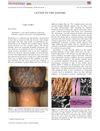
February 2018 in “Australasian journal of dermatology” Advanced imaging techniques are crucial for accurately diagnosing Monilethrix, a rare hair disorder.
1 citations
,
January 2025 in “Regenerative Biomaterials” In this study, researchers found that exosomes derived from Pinctada martensii mucus can effectively inhibit melanin production in melanoma cells and zebrafish without adverse effects, potentially offering a promising therapeutic strategy for treating pigmentary disorders by modulating the NF-κB signaling pathway.
 1 citations
,
May 2019 in “Veterinarski arhiv”
1 citations
,
May 2019 in “Veterinarski arhiv” This study found that Malassezia pachydermatis was present on both lesion and healthy skin in a California sea lion, with significantly more colonies on the lesion site.
 April 2023 in “The journal of investigative dermatology/Journal of investigative dermatology”
 This review explores the multifaceted roles of melanocytes in skin biology, emphasizing their potential impact on future research to prevent and treat skin diseases, but reports no new experimental results.
37 citations
,
June 2000 in “Experimental dermatology” This study investigated a spontaneous mutation in mice resulting in hair abnormalities and elevated IgE levels, which resembles human Netherton's syndrome and monilethrix.
53 citations
,
October 2003 in “Genetics” This study identified a mutation hotspot in the caracul (Ca) locus of mice, implicating the mK6irs1/Krt2-6g gene in hair formation and potentially human hair and skin diseases.
50 citations
,
February 2004 in “Journal of Investigative Dermatology” 8 citations
,
February 2021 in “Biomolecules & therapeutics” This study found that myristoleic acid promotes dermal papilla cell proliferation and anagen signaling through autophagy, cell cycle progression, and activation of the Wnt/β-catenin and ERK pathways.
14 citations
,
December 1991 in “Annals of the New York Academy of Sciences” This study reports that lower levels of N-myc mRNA are observed when hair growth ceases in certain phases in mice, and attempts to create transgenic mice for further investigation resulted in high embryonic mortality.
February 2023 in “Journal of Cutaneous Pathology” This case report describes an adult female with concurrent mycosis fungoides and papillary dermal elastolysis, highlighting the importance of considering rare presentations in differential diagnoses.