This study found that in early retinal neurogenesis in mice, the transcription factor Lhx2 regulates Sonic Hedgehog signaling by controlling expression of pathway genes like the co-receptors Gas1 and Cdon.
This study found that low-level laser therapy may effectively stimulate hair growth in adults with androgenic alopecia, but further research is needed to confirm its long-term clinical effectiveness.
 13 citations
,
December 2017 in “Journal of Cosmetic and Laser Therapy”
13 citations
,
December 2017 in “Journal of Cosmetic and Laser Therapy” This study evaluated the use of low-level laser therapy for treating androgenic alopecia in adults, finding it a promising and safe at-home option for stimulating hair growth compared to sham devices, though further research is needed to confirm its clinical effectiveness.
August 2025 in “BMC Pharmacology and Toxicology” The LTF gene may help predict and manage nonspecific orbital inflammation.
 81 citations
,
August 2014 in “Lasers in Surgery and Medicine”
81 citations
,
August 2014 in “Lasers in Surgery and Medicine” This study found that low-level laser therapy significantly increased hair growth in women with androgenic alopecia, achieving a 37% greater increase in hair counts compared to placebo.
13 citations
,
June 2014 in “Molecular therapy” This study found that a lentiviral array of reporters can identify lineage-specific promoters and pathways in mesenchymal stem cell differentiation, aiding in the prediction of signaling pathway effects.
Loose anagen hair syndrome in children may improve with age, but treatment results vary.
January 2025 in “Indian Journal of Dermatopathology and Diagnostic Dermatology” In this case report, a rare instance of Graham–Little–Piccardi–Lassueur syndrome coexisting with linear lichen planus was identified in a 35-year-old male, highlighting the condition's rarity in males, with dermoscopy aiding diagnosis through distinctive scalp and trunk lesion features.
This chapter provides dermatology trainees with insights on managing lichen planopilaris, emphasizing treating active disease to prevent further hair loss and recommending a tapered course of oral steroids for disease stabilization.
July 2026 in “Theranostics” This study developed a novel ferritin-based delivery system (LR@Fn) that effectively co-delivers RG108 and LLY283 for hearing loss treatment in animal models, reducing hair cell loss and synaptic damage more effectively than dexamethasone.
 20 citations
,
October 2016 in “Veterinary dermatology”
20 citations
,
October 2016 in “Veterinary dermatology” This study reports that generalized discoid lupus erythematosus is a recognized canine variant of cutaneous lupus erythematosus, resembling its human counterpart, with varied treatment responses and common relapses.
 June 2011 in “CRC Press eBooks”
 Low-Level Laser Therapy can stimulate healing and cell function, potentially leading to wider medical use.
 1 citations
,
October 2023 in “Skin research and technology”
1 citations
,
October 2023 in “Skin research and technology” This study found that line-field confocal optical coherence tomography effectively visualized key diagnostic features of classic lichen planopilaris in real time, suggesting its potential as a valuable diagnostic tool.
This study conducted at a Moroccan tertiary dermatology center describes the characteristics of pediatric lichen, highlighting that dermoscopy can improve diagnostic accuracy by identifying distinct patterns across clinical variants, with lichen sclerosus being the most frequent subtype among the children studied.
 January 2009 in “Elsevier eBooks”
 Low level laser therapy may help with hair loss.
3 citations
,
March 2024 in “Journal of the American Academy of Dermatology” Low-dose naltrexone helps improve symptoms and stabilize frontal fibrosing alopecia and lichen planopilaris.
 11 citations
,
August 2010 in “Pediatric dermatology”
11 citations
,
August 2010 in “Pediatric dermatology” This report details two cases of Lichen spinulosus in the submental area, treated effectively and safely with topical tacalcitol cream.
9 citations
,
November 2021 in “PubMed” This study found that FDA-approved low-level light/laser therapy devices significantly increased hair density in individuals with pattern hair loss compared to sham devices.

This review discusses loose anagen hair syndrome, a benign and self-limited condition predominantly affecting children, and highlights the importance of differentiating it from other hair disorders like telogen effluvium and trichotillomania, but reports no new results.
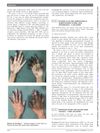
In this case report, a 19-year-old woman with systemic lupus erythematosus experienced significant improvement in neuropsychiatric symptoms, including psychosis and seizures, following treatment with high-dose corticosteroids, immunosuppressants, and antidepressants.
 5 citations
,
January 2017 in “Skin appendage disorders”
5 citations
,
January 2017 in “Skin appendage disorders” In this case report, the authors linked acute psoriasiform contact dermatitis of the forehead and scalp to a low-laser light cap, identifying DMDE in the fabric as a likely cause.
 March 2025 in “Mediterranean Journal of Rheumatology”
 This study concluded that laser hair removal using Alexandrite laser emitting red and infrared light appears safe and does not significantly affect the disease activity of Systemic lupus erythematosus.
 September 2025 in “Pediatric Dermatology”
 In this report, two pediatric patients with short anagen syndrome, a condition causing difficulty in growing long scalp hair, showed positive responses to low‐dose oral minoxidil treatment.
66 citations
,
August 2007 in “Applied and environmental microbiology” This study engineered a bioluminescent yeast strain responsive to androgenic chemicals, demonstrating rapid and sensitive detection suitable for high-throughput screening and environmental monitoring.
1 citations
,
January 2014 in “Medical Entomology and Zoology” 
The conclusion cannot be provided because the document is not accessible.
This study found that Nourkrin significantly improved hair growth in individuals with hair loss and was well-tolerated, suggesting it may be a viable alternative to pharmacotherapy for androgenetic alopecia.
August 2013 in “日本医療薬学会年会講演要旨集” This study found that hair contains tightly bound lipids such as cholesterol sulfate, cholesterol, fatty alcohols, and free fatty acids, which are resistant to solvent extraction.
July 2013 in “Brain and nerve : 神経研究の進歩” This study found that saponin derivatives from P chinensis may effectively block CRH receptor function and could be used to treat stress-induced hair loss.