1 citations
,
April 2023 in “Portuguese Journal of Dermatology and Venereology” This review examines the pathophysiological mechanisms and emerging targeted treatments for alopecia areata, particularly highlighting the efficacy of oral JAK inhibitors over other less effective alternatives.
3 citations
,
February 2023 in “Journal of Investigative Dermatology” Ch55 may help reduce skin scarring and fibrosis.
 October 2025 in “Electronic Theses and Dissertations Repository (University of Pisa)”
 In this study, baricitinib treatment for severe alopecia areata was well tolerated, with minor metabolic changes and PLR emerging as a sensitive marker of treatment response.
 April 2023 in “The journal of investigative dermatology/Journal of investigative dermatology”
 This study found that treatment with ritlecitinib led to significant scalp hair regrowth in patients with alopecia areata at Weeks 24 and 48, with higher response rates observed in those receiving 50 mg compared to 30 mg doses.
173 citations
,
July 2012 in “British Journal of Dermatology” This study found that the administration of the mutant BRAF inhibitor dabrafenib in patients with metastatic melanoma was associated with various skin lesions, including keratinocytic proliferation that sometimes showed low-grade malignancy features.

This study found that self-monitoring blood pressure among pregnant women with hypertension did not significantly improve clinical outcomes compared to usual care, though women reported positive cognitive and emotional responses.
Results are not reported in this abstract, which notes that while Janus kinase inhibitors like baricitinib show therapeutic benefits for alopecia areata, the mechanisms and reliable predictors of response remain unclear.
 January 2025 in “Balkan Medical Journal”
 Baricitinib helps regrow hair in severe alopecia areata and is safe, but more research is needed.
June 2026 in “British Journal of Dermatology” This study reported that dermatological adverse events are common in patients treated with amivantamab for non-small cell lung cancer, often impacting quality of life and requiring treatment modifications.
 1 citations
,
June 2020 in “Annals of the rheumatic diseases”
1 citations
,
June 2020 in “Annals of the rheumatic diseases” In this study, 93% of patients with inflammatory arthritis remained on the adalimumab biosimilar ABP 501 for 24 weeks after switching from the originator, with some switching back due to adverse reactions or reduced effectiveness.
7 citations
,
July 2023 in “Immunotherapy” Ritlecitinib works well and is safe for treating alopecia areata.
May 2025 in “Immunotherapy” This study observed that patients with alopecia areata taking ritlecitinib reported higher satisfaction with hair growth after 24 and 48 weeks compared to those taking a placebo, aligning with improvements in hair growth noted by doctors.
August 2026 in “Journal of the American Academy of Dermatology” This abstract does not report results but indicates that the supplementary material includes comprehensive methodology, additional results, statistical analyses, discussion, and limitations of the Alopecia Areata Relapse Study Group's findings as presented in the main manuscript.

This case report highlights the successful treatment of a 37-year-old male with steroid-resistant beard alopecia areata using baricitinib, a JAK-1/2 inhibitor, over 9 months, resulting in reduced hair loss and improved hair density.
23 citations
,
December 2013 in “Molecular cancer therapeutics” This study found that AR-positive breast cancer cell lines are more sensitive to the dual PI3K/mTOR inhibitor NVP-BEZ235 compared to AR-negative cells.
March 2025 in “Journal of Investigative Dermatology”  April 2023 in “Journal of the American Academy of Dermatology”
 This study aimed to evaluate the outcomes of switching between two JAK inhibitors, tofacitinib and baricitinib, in treating alopecia areata, due to the lack of data on their comparative efficacy.
June 2026 in “Pediatric Dermatology” This pilot study found that using the Breathr mindfulness app daily provided limited anxiety relief for some adolescents with alopecia areata over a three-month period.
 November 2025 in “SKIN The Journal of Cutaneous Medicine”
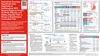
 This phase 3 trial found that over 50% of adolescents with severe alopecia areata achieved successful hair regrowth after 52 weeks on baricitinib 4-mg, with no new safety concerns reported compared to existing safety profiles.
 January 2017 in “Brazilian Journal of Pharmaceutical Sciences”
 This study identified neprilysin as a potential target of the pharmacological agent arteannuin, which may guide future research into its clinical applications, although experimental verification is needed.
 January 2025 in “Journal of Crohn s and Colitis”
 In this study, tofacitinib showed promising efficacy and safety for biologic-naïve elderly patients with moderate-to-severe ulcerative colitis, achieving steroid-free remission and clinical response over 52 weeks.
8 citations
,
August 2022 in “Pharmaceutics” This study found that erythrocyte-anchored CPA-encapsulated nanoparticles improved the delivery and accumulation of Cepharanthine in the lungs, enhancing its effectiveness in treating acute lung injury by reducing inflammatory responses.
 January 2024 in “Journal of Crohn's and colitis”
 This study reports that JAK inhibitors were effective in inducing remission in ulcerative colitis patients and presented an acceptable safety profile with a range of manageable side effects.
2 citations
,
December 2013 in “Cancer research” In this study, GTx-027, a selective androgen receptor modulator, significantly inhibited tumor growth in certain breast cancer models and showed good tolerance in a Phase II trial with postmenopausal women.
 January 2024 in “Wiadomości Lekarskie”
 This presentation reviews the potential of novel device-based interventions for heart failure treatment, noting that despite advances in drug therapy, many patients still experience significant symptoms. Results of these interventions, which address limitations of medication, are not reported in this abstract.
9 citations
,
July 2022 in “Journal of Clinical Oncology” This study found that oral paclitaxel combined with encequidar improved tumor response rates compared to intravenous paclitaxel in women with metastatic breast cancer, while also reducing neuropathy but increasing certain gastrointestinal and neutropenic side effects.
87 citations
,
March 2013 in “Expert Review of Anticancer Therapy” This article summarizes dermatologic adverse events in patients treated with afatinib in clinical trials and discusses strategies for managing these side effects, without providing new clinical results.
July 2026 in “Journal of the American Academy of Dermatology” June 2026 in “British Journal of Dermatology” In this study, real-world data of 31 patients using ritlecitinib for severe alopecia areata showed that 51% achieved significant hair regrowth after one year, with no serious adverse events reported, emphasizing the importance of considering treatment duration for response.
 1 citations
,
June 2022 in “JAMA”
1 citations
,
June 2022 in “JAMA” This study found that oral baricitinib treatment led to hair regrowth in patients with alopecia areata, as observed in two phase 3 trials.