 1 citations
,
January 2009
1 citations
,
January 2009 In this case report, a 25-year-old man with nevus comedonicus showed no improvement from keratolytics and topical tretinoin, but had success with surgical excision of the lesions.
14 citations
,
January 2014 in “Annals of Dermatology” This report describes two cases of folliculotropic mycosis fungoides with syringotropism, highlighting indolent progression despite the disease's typically aggressive nature, suggesting aggressive treatment might not be necessary.
September 2023 in “JEADV Clinical Practice” This study identified key dermoscopic features in folliculotropic mycosis fungoides patients, showing that dilation of follicular openings and spiky follicular keratosis are specific indicators of follicular involvement, potentially aiding in diagnosis, classification, and treatment decisions.
 1 citations
,
January 2019 in “Springer eBooks”
1 citations
,
January 2019 in “Springer eBooks” Hidradenitis Suppurativa is a chronic skin condition best treated early with surgery for better outcomes and less recurrence.
6 citations
,
January 2015 in “Indian Dermatology Online Journal” This case report describes a unique presentation of porokeratotic eccrine ostial and dermal duct nevus with lesions on the dorsum of the hand and a focal lichenoid infiltrate, differing from typical palm and sole involvement.
56 citations
,
October 2010 in “Pediatric Clinics of North America” This article discusses various types of epidermal nevi and associated syndromes but presents no new research findings.
June 2025 in “Indian Journal of Dermatology” This article reports a case of late onset linear and unilateral basaloid follicular hamartoma in an elderly male, highlighting the clinical presentation, histopathological findings, and planned treatment approach.

This study highlights that traumatic anserine folliculosis is a benign condition often seen in young males, which can be diagnosed without invasive biopsies using clinical examination and dermoscopy.

research Acne
2 citations
,
May 2011 in “Harper's Textbook of Pediatric Dermatology” Acne is a common skin condition linked to diet, hormones, and genetics, and early treatment can prevent scarring.
 November 2023 in “Berkala Ilmu Kesehatan Kulit dan Kelamin/Berkala ilmu kesehatan kulit dan kelamin (Periodical of dermatology and venerology)”
 This study suggests that using a dermoscope, a handheld microscope, can effectively help distinguish between Pityrosporum folliculitis and Acne vulgaris by revealing unique lesion characteristics that are not visible to the naked eye, offering a practical diagnostic alternative when KOH examinations are unavailable.
 6 citations
,
August 2020 in “Clinical case reports”
6 citations
,
August 2020 in “Clinical case reports” In this study, patients with facial papules due to Lichen planopilaris showed no improvement with treatments for frontal fibrosing alopecia or scalp Lichen planopilaris.
 87 citations
,
March 2000 in “American Journal of Clinical Dermatology”
87 citations
,
March 2000 in “American Journal of Clinical Dermatology” Alpha-hydroxy acids, like glycolic acid, safely improve skin issues and work on all skin types.
 243 citations
,
September 2016 in “Dermatology and Therapy”
243 citations
,
September 2016 in “Dermatology and Therapy” This article provides an overview of how dermoscopy can aid in the noninvasive diagnosis of various general dermatological disorders, grouped by clinical presentation, but reports no new clinical results.

This chapter provides an overview of terminology for various skin lesions, including primary and secondary types, but does not report new findings or results.
 157 citations
,
August 2010 in “Lupus”
157 citations
,
August 2010 in “Lupus” This review discusses the various common, rare, and unusual skin manifestations of lupus erythematosus and highlights the importance of accurate diagnosis, but it reports no new clinical results.
 4 citations
,
October 2012 in “Expert Review of Dermatology”
4 citations
,
October 2012 in “Expert Review of Dermatology” Dermoscopy greatly improves melanoma diagnosis and reduces unneeded surgeries.
 January 2011 in “Elsevier eBooks”
 Alopecia in animals can be hereditary, congenital, or acquired, with treatments and outcomes varying widely.
 126 citations
,
January 1987 in “Journal of The American Academy of Dermatology”
126 citations
,
January 1987 in “Journal of The American Academy of Dermatology” This article reviews the classification of hair shaft abnormalities, outlining their diagnostic features, but does not present new research findings.
 8 citations
,
May 1998 in “Journal of Oral and Maxillofacial Surgery”
8 citations
,
May 1998 in “Journal of Oral and Maxillofacial Surgery” This article discusses the importance of oral and maxillofacial surgeons understanding the pathogenesis and treatment of acne vulgaris, but it presents no new research findings.
 8 citations
,
July 2008 in “Facial Plastic Surgery Clinics of North America”
8 citations
,
July 2008 in “Facial Plastic Surgery Clinics of North America” This overview highlights an increase in nonsurgical cosmetic procedures and a growing number of male patients seeking cosmetic treatments, without reporting new clinical results.
 7 citations
,
July 2003 in “Clinics in Dermatology”
7 citations
,
July 2003 in “Clinics in Dermatology” This article reviews several benign skin conditions in newborns, emphasizing the importance of correct identification to prevent unnecessary concern and interventions, but reports no new clinical results.
 1 citations
,
January 2015 in “Springer eBooks”
1 citations
,
January 2015 in “Springer eBooks” Chemotherapy can cause skin side effects that affect patients' lives, but they can be managed to avoid interrupting cancer treatment.
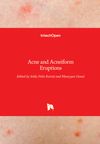 2 citations
,
January 2011 in “Elsevier eBooks”
2 citations
,
January 2011 in “Elsevier eBooks” This book reviews the various types of acne and acneiform conditions, as well as their treatment options, with expert insights from multiple fields.
 January 2019 in “ARC journal of pharmaceutical sciences”
 This review traces the historical understanding and treatment of acne across ancient Egyptian, Greek, and Roman civilizations, but provides no new clinical findings.
 1 citations
,
October 2013 in “Expert Review of Dermatology”
1 citations
,
October 2013 in “Expert Review of Dermatology” This paper reviews the differential diagnoses and diagnostic tests to distinguish alopecia areata from other types of hair loss, without providing new clinical findings.
 18 citations
,
June 2019 in “Clinical research in dermatology”
18 citations
,
June 2019 in “Clinical research in dermatology” This review discusses psychological impacts associated with facial acne, noting that high levels of anxiety and depression among these patients are not linked to oxidative stress, and reports no new clinical results.
 September 2025 in “Indian Dermatology Online Journal”
 This study describes how comparing the visual characteristics of dermatological conditions to baked goods can aid in memorization and understanding, providing memorable analogies for both diagnosis and patient education.
8 citations
,
February 2025 in “Pharmaceuticals” This source reviews the potential of polyphenols as therapeutic and preventive treatments for common skin disorders such as acne, fungal infections, dermatitis, alopecia, and skin cancer, emphasizing their anti-inflammatory and antimicrobial effects and ability to penetrate the skin barrier.
4 citations
,
December 2024 in “Life” In this literature review, researchers found that dermoscopic presentations of pediatric skin conditions often differ between children with skin of color and Caucasian children, with variations influenced by racial backgrounds.
 3 citations
,
June 2021 in “Clinical, Cosmetic and Investigational Dermatology”
3 citations
,
June 2021 in “Clinical, Cosmetic and Investigational Dermatology” This study highlights the importance of dermoscopic examinations in accurately diagnosing skin cancer, which can be mistaken for benign seborrheic keratosis, emphasizing the need for trained interpretation to avoid missing malignant lesions.