 1 citations
,
July 1999 in “Plastic and Reconstructive Surgery”
1 citations
,
July 1999 in “Plastic and Reconstructive Surgery” The article discusses how to fix bad results from hair restoration surgery, with different doctors suggesting methods like adding more grafts, moving transplanted hair, or using smaller grafts.
 1 citations
,
August 1988 in “Journal of The American Academy of Dermatology”
1 citations
,
August 1988 in “Journal of The American Academy of Dermatology” This study describes a unique case of hair transplantation between monozygotic twins to address congenital, nonprogressive alopecia caused by follicular aplasia in one twin.
 1 citations
,
June 2018 in “The Journal of Dermatology”
1 citations
,
June 2018 in “The Journal of Dermatology” This case report from The Journal of Dermatology describes an instance of infective endocarditis linked to implanted artificial hair pyoderma, with no new generalizable results reported.
 1 citations
,
March 2016 in “Current Dermatology Reports”
1 citations
,
March 2016 in “Current Dermatology Reports” This article reviews the evolution of dermatology surgery training, emphasizing the need for standardized and objective assessment tools for residents, and reports no new clinical results.

This case report describes a 16-year-old girl with severe generalized gingival fibromatosis and hypertrichosis, who underwent successful treatment through gingivectomy, with uneventful healing observed over an eight-month follow-up.
 September 2025 in “Universal library of medical and health sciences.”
 This study examined the use of medical dermapigmentation to restore lip appearance after traumatic injuries, finding that a staged approach effectively camouflages scar tissue, enhances symmetry, and improves psychological well-being, demonstrating benefits in a clinical case of a dog bite.

In this case report, the authors described a patient who developed postoperative pressure alopecia one month after a lengthy surgery, emphasizing the importance of primary prevention to minimize patient distress from this preventable complication.
 April 2025 in “WORLD JOURNAL OF PLASTIC SURGERY”
 This study reported that stem cells derived from semi-solid bone marrow improved the healing of diabetic incision wounds in rats by increasing epidermal thickness and blood vessel growth, and reducing hair follicle destruction, cellular penetration, diffuse fibrosis, and necrosis compared to control groups.
 August 2024 in “Nihon Ika Daigaku Igakkai Zasshi”
 In this study, researchers used tissue clearing techniques on human skin and scar tissue for the first time to render them optically transparent, with the aim of revealing atypical structures and improving protocols for observing scar tissue changes.
 November 2023 in “Indian journal of surgery”
 This study found that platelet-rich gel is a simple and effective non-surgical method for healing exposed skull injuries, resulting in complete healing with minimal scars and sparse hair growth in all patients.
 January 2023 in “Pakistan Armed Forces Medical Journal”
  January 2020 in “Journal of Cutaneous and Aesthetic Surgery”
 The conference improved skills and knowledge in skin and aesthetic surgery.

This handbook of dermatology provides a comprehensive practical manual for dermatologists, but reports no new research findings.
 January 2019 in “Springer eBooks”
 Platelet-rich plasma therapy may have benefits and is generally safe, but more research is needed to confirm its effectiveness and safety.
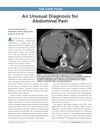 October 2018 in “Emergency medicine news”
 This case report describes a 65-year-old man diagnosed with atraumatic splenic rupture, which is rare and can occur without trauma, following sudden-onset left-sided abdominal pain.
 March 2018 in “Surgical and Radiologic Anatomy”
 High-resolution imaging is crucial for diagnosing and planning treatments in clinical anatomy and aging.
 September 2017 in “Springer eBooks”
 FUE hair transplants have improved to give more natural results with less scarring and pain.
 June 2017 in “International Journal of Periodontics & Restorative Dentistry”
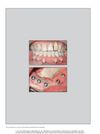
 This study found that using retroauricular full-thickness skin grafts in vestibuloplasty contributed to successful cosmetic and functional outcomes in dental implant rehabilitation for patients with mandibular gunshot injuries.
 June 2017 in “JPRAS Open”
 This case report describes a successful hair transplant surgery using the follicular unit extraction method to restore a bald area following scalp tumor resection and skin grafting, highlighting its utility in such complex cases.
 January 2017 in “Journal of Plastic Reconstructive and Aesthetic Surgery”
 This article discusses beard reconstruction techniques focusing on surgical algorithms and the use of tissue expansion, reporting no new clinical results.
 July 2016 in “Australasian Journal of Dermatology”
 This article provides issue information and does not include an abstract or any new research findings.

Modern hair restoration techniques can effectively treat hair loss and provide natural-looking results.
 February 2015 in “Dermatologic Surgery”
 This article discusses various affiliations of the authors with no reference to new research findings.
 July 2014 in “Plastic and Reconstructive Surgery”
 Hair follicles stored in a special medium and certain types of grafts have higher survival and growth rates after transplantation.
 July 2014 in “Plastic and Reconstructive Surgery”
 Hair follicles stored in a special medium had the highest survival rate, and "plucked" follicles and follicular units showed better growth after transplant.
 July 2014 in “Plastic and Reconstructive Surgery”
 The document concludes that rib-sparing techniques in breast reconstruction have limited benefits, sentinel lymph node biopsy is needed for desmoplastic melanoma, certain hair preservation methods improve graft survival, partial turbinectomy effectively reduces nasal obstruction, nipple shields with irrigation may reduce capsular contracture, and thicker malignant melanomas have a higher risk of non-skin cancers.
 July 2014 in “Plastic and Reconstructive Surgery”
 The document concludes that rib-sparing techniques in breast reconstruction have limited benefits, sentinel lymph node biopsy is needed for desmoplastic melanoma, certain hair preservation methods improve graft survival, partial turbinectomy effectively reduces nasal obstruction, nipple shields with irrigation may reduce capsular contracture, and thicker malignant melanomas have a higher risk of non-skin cancers.
 July 2014 in “Plastic and Reconstructive Surgery”
 Sentinel lymph node biopsy is recommended for all types of desmoplastic melanoma due to higher rates of nodal metastasis.
 July 2014 in “Plastic and Reconstructive Surgery”
 Sentinel lymph node biopsy is recommended for all types of desmoplastic melanoma due to higher rates of nodal metastasis.
 October 2013 in “Clinics in Plastic Surgery”
 Local anesthesia is effective, safe, and cost-saving for plastic surgery.