 3 citations
,
July 2015 in “Australasian Journal of Dermatology”
3 citations
,
July 2015 in “Australasian Journal of Dermatology” This letter discusses a case of iododerma in pregnancy linked to iodinated multivitamin use, but reports no new clinical findings.
30 citations
,
June 2013 in “Optometry and vision science” This study reports that a clinical sequence can help eye care practitioners identify Demodex mites, which are often underdiagnosed and undertreated in ocular surface diseases.
 January 2023 in “Malaysian Journal of Medical Research”
 This case report describes a 7-year-old girl whose allergic conjunctivitis went underdiagnosed and undertreated, resulting in poor prognosis due to the challenges associated with her young age and inability to verbally communicate symptoms.
 35 citations
,
April 2006 in “Ocular Surface”
35 citations
,
April 2006 in “Ocular Surface” This review discusses adverse effects of cosmetic products and procedures on the ocular surface, including mild discomfort to severe vision-threatening conditions, and reports no new clinical results.
 November 2021 in “American Journal of Tropical Medicine and Hygiene”
 In this report, an 11-year-old girl and her 14-year-old brother developed marking nut dermatitis from an amulet, highlighting the importance of recognizing cultural practices in diagnosing skin conditions.
December 2025 in “Asthma Allergy Immunology” This study found that among pediatric patients with inborn errors of immunity, severe COVID-19 was linked to chronic lung disease, hypogammaglobulinemia, and musculoskeletal abnormalities, with chronic pulmonary illness being a major risk factor, while long-term effects included fatigue, hair loss, and red eye.
 6 citations
,
July 2015 in “Australasian Journal of Dermatology”
6 citations
,
July 2015 in “Australasian Journal of Dermatology” A man developed an allergic skin reaction after using brimonidine for rosacea.
 14 citations
,
July 1987 in “Contact Dermatitis”
14 citations
,
July 1987 in “Contact Dermatitis” This article describes cases of allergic contact dermatitis triggered by minoxidil but provides no new clinical findings.
 10 citations
,
December 2015 in “Clinics in Dermatology”
10 citations
,
December 2015 in “Clinics in Dermatology” This review highlights the eye and skin manifestations of endocrine-related metabolic diseases but provides no new clinical results.
 16 citations
,
January 2007 in “JEADV. Journal of the European Academy of Dermatology and Venereology/Journal of the European Academy of Dermatology and Venereology”
16 citations
,
January 2007 in “JEADV. Journal of the European Academy of Dermatology and Venereology/Journal of the European Academy of Dermatology and Venereology” A man had an allergic reaction to minoxidil, which stopped after he discontinued use and started corticosteroids.
 98 citations
,
November 2002 in “Contact Dermatitis”
98 citations
,
November 2002 in “Contact Dermatitis” This study found that adverse reactions to para-phenylenediamine in hair dye, including severe allergic contact dermatitis, may be more common than currently reported and often misdiagnosed.
 38 citations
,
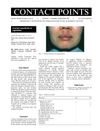
June 2005 in “Contact Dermatitis”
38 citations
,
June 2005 in “Contact Dermatitis” This case report describes a patient with an allergic sensitization to minoxidil, indicating that such patients should pursue alternative therapies to treat androgenetic alopecia.
 18 citations
,
February 2025 in “Drug Delivery and Translational Research”
18 citations
,
February 2025 in “Drug Delivery and Translational Research” This study demonstrated that a new topical treatment using ketotifen-loaded microneedles, designed for prolonged release, significantly reduced inflammatory markers in an animal model of allergic conjunctivitis, suggesting enhanced therapeutic delivery and sustained ocular benefits.
 17 citations
,
October 2003 in “Contact dermatitis”
17 citations
,
October 2003 in “Contact dermatitis” Glycerin in hand cream can cause allergic skin reactions.
 4 citations
,
September 2021 in “Frontiers in allergy”
4 citations
,
September 2021 in “Frontiers in allergy” This review discusses the shared biological mechanisms between allergy and autoimmunity, emphasizing pruritus as a central symptom in psychophysiological dermatoses, and reports no new clinical results.
 October 2001 in “WORLD SCIENTIFIC eBooks”
 This compilation on contact and occupational dermatology in the Asia-Pacific region discusses various allergens and irritants without reporting new clinical findings.
 24 citations
,
August 2017 in “Prostaglandins & Other Lipid Mediators”
24 citations
,
August 2017 in “Prostaglandins & Other Lipid Mediators” This review discusses the potential roles of prostaglandin D2 and its receptor CRTH2 in various diseases beyond allergies and asthma and reports no new clinical results.
 January 2025 in “Hospital Pharmacology - International Multidisciplinary Journal”
 In this study, researchers explored the effects of various medications on eye health, noting that systemic and local ophthalmic drugs can lead to both widespread and specific ocular side effects, with serious adverse events most associated with neurotropic, immunotropic, and antitumor medications.
 November 2025 in “Scientific Reports”
 This study found that a blink frequency of at least 20 blinks per minute is necessary to maintain tear film stability in young participants with dry eye symptoms, with lower frequencies significantly worsening various indicators of eye dryness.
 11 citations
,
October 2011 in “Allergologia et immunopathologia”
11 citations
,
October 2011 in “Allergologia et immunopathologia” A girl with Netherton syndrome was able to eat wheat without allergies after a special treatment.
 17 citations
,
December 2013 in “Journal of Investigative Dermatology Symposium Proceedings”
17 citations
,
December 2013 in “Journal of Investigative Dermatology Symposium Proceedings” In this study, once-daily treatment with bimatoprost 0.03% solution significantly increased eyelash growth, thickness, and darkness in patients with chemotherapy-induced eyelash loss compared to placebo, and was well tolerated over one year.
 466 citations
,
August 2004 in “Journal of the American Academy of Dermatology”
466 citations
,
August 2004 in “Journal of the American Academy of Dermatology” This article reviews the current literature on rosacea, focusing on the new subtype classification system and the main theories of its pathogenesis, but reports no new clinical results.
 195 citations
,
January 2008 in “Photochemistry and Photobiology”
195 citations
,
January 2008 in “Photochemistry and Photobiology” This review discusses the effects of visible light on human skin, highlighting its role in pigmentation, thermal damage, and the treatment of several skin conditions, while noting limited sunscreen protection against it; no new clinical results are reported.
 183 citations
,
January 2018 in “Cosmetics”
183 citations
,
January 2018 in “Cosmetics” This review discusses side effects and allergy contact dermatitis caused by essential oils in cosmetic products and reports no new clinical results.
 105 citations
,
February 2017 in “British Journal of Dermatology”
105 citations
,
February 2017 in “British Journal of Dermatology” This review discusses the range of long-term complications, including mucocutaneous, ocular, and psychological sequelae, for survivors of Stevens–Johnson syndrome and toxic epidermal necrolysis, but reports no new clinical results.
 60 citations
,
September 2015 in “Expert Review of Clinical Immunology”
60 citations
,
September 2015 in “Expert Review of Clinical Immunology” This study suggests that CD8+ cytotoxic T lymphocytes play a crucial role in the development of alopecia areata, based on observations in rodent models that mimic human autoimmune disease.
 39 citations
,
June 2017 in “Journal of Applied Research on Medicinal and Aromatic Plants”
39 citations
,
June 2017 in “Journal of Applied Research on Medicinal and Aromatic Plants” This review examines around 68 plant sources from six major plant families, assessing their scientific rationale and use by the cosmeceutical industry for applications like anti-ageing and sun protection.
 14 citations
,
January 1985 in “International Journal of Dermatology”
14 citations
,
January 1985 in “International Journal of Dermatology” The cause of alopecia areata was unknown, and while various treatments existed, no best treatment was agreed upon.
 13 citations
,
November 2012 in “Journal of The European Academy of Dermatology and Venereology”
13 citations
,
November 2012 in “Journal of The European Academy of Dermatology and Venereology” This study found that topical clobetasol propionate cream provided a modest improvement in hair regrowth for alopecia areata patients, though those with atopy had higher relapse rates after treatment completion.
 11 citations
,
January 2013 in “Ocular Surface”
11 citations
,
January 2013 in “Ocular Surface” This review summarizes the ophthalmic complications of common periocular aesthetic treatments but reports no new clinical findings, emphasizing the importance of recognizing potential side effects.