July 2012 in “American Journal of Clinical Pathology” This case report describes a 15-month-old girl with a history of dermatitis, eosinophilic esophagitis, and failure to thrive, leading to a suspected diagnosis of Netherton syndrome.
4 citations
,
January 2017 in “Acta dermato-venereologica” A new EDA gene mutation was found in a Chinese family with a specific skin disorder.
June 2023 in “bioRxiv (Cold Spring Harbor Laboratory)” In this study, researchers used a reporter mouse model to identify and characterize distinct subtypes of dopaminergic neurons in the gut's enteric nervous system, revealing novel populations with potential implications for understanding their roles and vulnerabilities in disease.
March 2024 in “European Journal of Neuroscience” This study, using a reporter mouse line, characterized diverse subtypes of dopaminergic neurons in the enteric nervous system, identifying unique subtypes with potential roles in gut function and disease.
January 2025 in “NATIONS UNIVERSITY INTERNATIONAL JOURNAL OF MULTI-DISCIPLINARY STUDIES” This study found that only 48% of the medicinal plant uses reported by people in Lithuania's Marijampole region align with European Medicines Agency guidelines, highlighting the need for further evaluation of ethnopharmacological practices.
1 citations
,
February 2013 in “InTech eBooks” This article discusses research about Netherton syndrome, highlighting its contributions to understanding epidermal structure, immune responses, and processes like atopic dermatitis, but it reports no new clinical findings.
8 citations
,
January 2017 in “Environmental monitoring and assessment” Hair from different ethnic groups affects soil nutrient release differently.
January 2024 in “Frontiers research topics” This research abstract outlines the innovative approach of the Frontiers journal series, which aims to transform academic publishing by providing open access, interdisciplinary journals that employ a rigorous peer-review process to serve both scholarly communities and the public.
 30 citations
,
June 2014 in “Seminars in Immunology”
30 citations
,
June 2014 in “Seminars in Immunology” This review discusses recent advances in understanding the Eda pathway's role in developmental biology, and highlights ongoing trials and areas for further research, including Eda's potential involvement in cell processes and disease.
 1 citations
,
January 2023 in “Journal of pharmaceutical and biological sciences”
1 citations
,
January 2023 in “Journal of pharmaceutical and biological sciences” This review examines ethosomal structures and their mechanisms as skin delivery systems, outlining preparation methods and applications but presents no new experimental findings.
1 citations
,
January 2008 in “China Journal of Bioinformatics” This study identified that a significant number of expressed sequence tags from Cashmere goat skin with anagen hair follicles were genes coding for keratin or keratin-associated proteins.
 12 citations
,
December 2020 in “Archives animal breeding/Archiv für Tierzucht”
12 citations
,
December 2020 in “Archives animal breeding/Archiv für Tierzucht” This study found that EDA and EDAR are expressed throughout cashmere goat fetal development and play a critical role in hair follicle formation by influencing gene expression in fibroblasts and epithelial cells.
1 citations
,
August 2013 in “International Conference on Alcohol, Drugs and Traffic Safety (T2013), 20th, 2013, Brisbane, Queensland, Australia” This study reported that patients with decreased kidney function had significantly higher levels of ethyl glucuronide in hair compared to healthy volunteers, suggesting caution when using hair EtG levels to assess driving qualifications.
January 2012 in “Journal of Northwest A & F University” In this study, the researchers observed that Eda mRNA expression in goat skin peaks during the catagen phase of the hair cycle, suggesting its involvement in hair cycle regulation.
 March 2024 in “Plant physiology”
 This study found that the transcription factor GLABRA 2 inhibits ethylene production, regulating root hair growth in Arabidopsis under nutrient deficiency conditions.
75 citations
,
January 2004 in “Molecular and Cellular Biology” In this study, EDA-A2 transgenic mice exhibited multifocal myodegeneration dependent on XEDAR, suggesting a potential role for XEDAR in skeletal muscle homeostasis.
This study identified novel mutations associated with ectodermal dysplasias in Pakistani families, including a missense mutation in the KRTHB5 gene linked to pure hair-nail ectodermal dysplasias and mutations in the EDAR gene related to hypohidrotic ectodermal dysplasia.
3 citations
,
January 1977 in “Electroencephalography and Clinical Neurophysiology” 1 citations
,
November 2025 in “Aging Cell” This review discusses the role of the ectodysplasin A2 receptor as a biomarker and driver of ageing related to inflammation, and its potential therapeutic implications, but reports no new clinical findings.
 August 2025 in “BMC Pregnancy and Childbirth”
 In this study, prenatal ultrasonography was found to be a valuable tool for screening ectodermal dysplasia during pregnancy, and a new EDA gene variant associated with X-linked hypohidrotic ectodermal dysplasia was identified, aiding in more accurate diagnoses and reproductive decision-making.

This study identified a missense variant in the EDA gene of a male cat, which likely caused hypohidrotic ectodermal dysplasia, characterized by hair and teeth abnormalities; this represents the first report of such a genetic condition in cats.

This study found that Nubian ibex have developed genetic adaptations in response to their desert environment, including enhanced skin barrier, DNA repair, viral response, and metabolism of toxic compounds.
January 2023 in “Brazilian Journals Editora eBooks”  42 citations
,
April 2009 in “Human Genetics”
42 citations
,
April 2009 in “Human Genetics” This study suggests that the AGA risk haplotype in Europeans was driven to high frequency by positive selection, likely associated with a variant in the EDA2R gene.
2 citations
,
April 2024 in “Anais Brasileiros de Dermatologia” Pre-existing skin conditions and drug reactions are the main causes of exfoliative erythroderma.
 6 citations
,
March 2009 in “Journal of the European Academy of Dermatology and Venereology”
6 citations
,
March 2009 in “Journal of the European Academy of Dermatology and Venereology” This study found no increased frequency of the TNF2 allele in Mexican patients with adverse cutaneous drug reactions mediated by delayed hypersensitivity, suggesting its lower relevance compared to findings in Caucasian populations.
 February 2026 in “Orphanet Journal of Rare Diseases”
 This study identified pathogenic or likely pathogenic gene variants in 70.1% of Russian families affected by hypohidrotic ectodermal dysplasia, expanding knowledge of causative mutations.
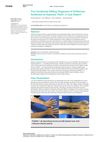
This study presents a rare instance of Netherton syndrome diagnosed incidentally in siblings of consanguineous parents, initially misdiagnosed as other skin conditions, emphasizing the need for careful evaluation in chronic skin cases to prevent misdiagnosis.
 30 citations
,
June 2016 in “Journal of Human Genetics”
30 citations
,
June 2016 in “Journal of Human Genetics” This study found pathogenic mutations in genes EDA, EDA1R, and EDARADD in 101 out of 124 hypohidrotic ectodermal dysplasia patients, revealing 23 novel mutations and indicating genetic variability.