July 2024 in “Journal of Investigative Dermatology” ATR04-484 ointment shows promise for treating skin issues from cancer therapies.
4 citations
,
November 2023 in “SKIN The Journal of Cutaneous Medicine” In this study, ritlecitinib, an oral JAK3/TEC inhibitor, was evaluated for safety in patients aged 12 and older with alopecia areata across four clinical trials up to 36 months, showing a safety profile with reported adverse events and lab abnormalities summarized per dosing groups.
 April 2026 in “Frontiers in Medicine”
 This study analyzed data from the FDA Adverse Event Reporting System and found that enfortumab vedotin, used for urothelial carcinoma, is linked to various cutaneous adverse events, including severe reactions like Stevens–Johnson syndrome, typically occurring early in treatment and predominantly affecting elderly male patients.
 196 citations
,
September 2016 in “JCI insight”
196 citations
,
September 2016 in “JCI insight” This study explored the effectiveness of the oral JAK1/2 inhibitor ruxolitinib in treating patients with moderate-to-severe alopecia areata, building on prior success with JAK inhibitors in mice, but results are not reported in this abstract.
 4 citations
,
December 2024 in “Clinical Cosmetic and Investigational Dermatology”
4 citations
,
December 2024 in “Clinical Cosmetic and Investigational Dermatology” This study suggests that combining baricitinib with narrowband UV-B therapy is an effective and well-tolerated approach for treating active nonsegmental vitiligo.
25 citations
,
March 2017 in “International Journal of Dermatology” In this case report, two women with chronic alopecia areata and acute alopecia universalis experienced sustained and near-complete hair regrowth after over a year of treatment with oral ruxolitinib, without significant side effects.
30 citations
,
June 2017 in “Journal of cutaneous medicine and surgery” This study reports that topical ruxolitinib failed to induce hair growth in a 66-year-old patient with alopecia areata, highlighting the need to explore factors affecting treatment response and compare topical vs oral administration outcomes.
February 2025 in “Canadian Journal of Health Technologies” This review assessed the clinical and cost-effectiveness of baricitinib, an oral treatment for severe alopecia areata in adults, to inform Canadian reimbursement recommendations, excluding Quebec.
Ritlecitinib significantly regrows scalp hair in people with alopecia areata.
1 citations
,
November 2023 in “SKIN The Journal of Cutaneous Medicine” July 2026 in “Dermatology and Therapy” In this retrospective study, baricitinib and ritlecitinib showed similar effectiveness and safety over 52 weeks for treating severe alopecia areata, with non-severe adverse events more common for baricitinib, driven by weight gain.
July 2024 in “Journal of Investigative Dermatology” Brepocitinib reduces interferon signaling in hidradenitis suppurativa patients.
 March 2005 in “Journal of the American Academy of Dermatology”
 Bexarotene 1% topical gel helped some patients with alopecia areata regrow hair.
 August 2024 in “Clinical Cosmetic and Investigational Dermatology”
 In this case report, a nine-year-old child with vitiligo and alopecia areata was successfully treated with upadacitinib and UVB, resulting in a significant reduction in the affected areas, suggesting a promising treatment approach for similar pediatric cases.
 September 2023 in “Medicina Estética Revista Científica de la Sociedad Española de Medicina Estética (SEME)”
 This research reported that the FDA approved Litfulo® (ritlecitinib) as the first oral treatment for severe alopecia areata in adolescents over 12 years old, with 23% of treated patients showing significant hair regrowth in clinical trials compared to 1.6% with placebo.
96 citations
,
December 2015 in “JAMA dermatology” This article discusses the potential of topical ruxolitinib as a treatment for alopecia universalis and acknowledges the need for alternatives to systemic JAK inhibitors due to the risk of serious side effects.
10 citations
,
September 2024 in “Life” This review found that, among 103 patients treated off-label with abrocitinib for conditions beyond atopic dermatitis, favorable clinical outcomes were reported for most cases, except one isolated case involving erythematotelangiectatic rosacea.
 January 2024 in “American journal of clinical dermatology”
 This study reports that ritlecitinib, when used for up to 24 months in patients aged 12 and older with alopecia areata, has an acceptable safety profile, with a similar proportion of adverse events in both ritlecitinib and placebo groups in the placebo-controlled cohort.
June 2025 in “British Journal of Dermatology” This case report details a probable severe adverse event associated with ritlecitinib for alopecia areata, highlighting risks of pulmonary emboli, infection, atrial fibrillation, and acute kidney injury despite an absence of known risk factors.
 157 citations
,
December 2015 in “Journal of the American Academy of Dermatology”
157 citations
,
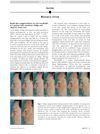
December 2015 in “Journal of the American Academy of Dermatology” This case study reported significant but temporary hair regrowth and skin repigmentation in a patient with vitiligo and alopecia areata during treatment with oral ruxolitinib.
 24 citations
,
July 2013 in “Oncologist”
24 citations
,
July 2013 in “Oncologist” This study suggests that the combination of bendamustine and rituximab is at least as effective and possibly offers a better therapeutic index than other standard regimens as first-line treatment for certain lymphoma patients.
87 citations
,
March 2013 in “Expert Review of Anticancer Therapy” This article summarizes dermatologic adverse events in patients treated with afatinib in clinical trials and discusses strategies for managing these side effects, without providing new clinical results.
1 citations
,
May 2025 in “Journal of the European Academy of Dermatology and Venereology” This review by Aceituno et al. found that both baricitinib and ritlecitinib demonstrate strong efficacy for severe alopecia areata, with meaningful hair regrowth by Week 24, but notes limitations like differing trial sizes and potential effect size overestimations.
19 citations
,
August 2023 in “Journal of Dermatological Treatment” This case study reports that abrocitinib therapy led to clinical remission of alopecia universalis in a patient with a history of drug-induced DRESS, suggesting its potential as a treatment option.
 December 2025 in “Dermatology Reports”
 This source describes vitiligo as a chronic condition marked by the loss of skin pigmentation and discusses leukotrichia, a feature affecting 10% to 60% of cases, which arises from melanocyte loss in hair follicles and appears as well-defined white patches on the skin.
 December 2024 in “Clinical and Experimental Dermatology”
 In this study, researchers found that ritlecitinib, a JAK3/TEC inhibitor, significantly improves hair regrowth, quality of life, and psychological well-being in patients with severe alopecia areata who had inadequate or no response to baricitinib, a JAK1/2 inhibitor.
45 citations
,
October 2018 in “JCI Insight” In a preclinical mouse model, this study found that early treatment with the selective SYK inhibitor entospletinib significantly improved survival rates and clinical outcomes for graft-versus-host disease after hematopoietic stem cell transplantation compared to placebo.
 June 2026 in “Indian Dermatology Online Journal”
 In this pilot study, both tofacitinib and methotrexate improved alopecia areata outcomes, but tofacitinib showed greater efficacy in achieving significant SALT score improvement after 6 months, although the difference was not statistically significant.
July 2026 in “Skin Appendage Disorders” In this study, patients with treatment-refractory alopecia areata who received oral ritlecitinib 50 mg daily experienced significant hair regrowth, with 52.6% achieving complete scalp regrowth and improved Severity of Alopecia Tool scores, indicating its potential effectiveness in real-world settings.
30 citations
,
March 2007 in “Expert opinion on drug safety” This review discusses recommendations for managing cetuximab-induced rash in metastatic colorectal cancer treatment and highlights the lack of standardized treatment plans based on clinical evidence.