July 2026 in “Skin Appendage Disorders” In this study, patients with treatment-refractory alopecia areata who received oral ritlecitinib 50 mg daily experienced significant hair regrowth, with 52.6% achieving complete scalp regrowth and improved Severity of Alopecia Tool scores, indicating its potential effectiveness in real-world settings.
 December 2025 in “International Journal of Innovative Technologies in Social Science”
 This study found that ritlecitinib, approved for alopecia areata in patients aged 12 and older, has an acceptable safety profile with mild to moderate side effects and no increase in serious adverse events compared to placebo.
July 2025 in “SKIN The Journal of Cutaneous Medicine” This study describes characteristics and outcomes for adults initiating ritlecitinib for severe alopecia areata, highlighting increased hair regrowth and physician satisfaction with longer treatment durations, despite ongoing psychosocial impacts like embarrassment and anxiety among patients.
 168 citations
,
December 1986 in “Cancer Chemotherapy and Pharmacology”
168 citations
,
December 1986 in “Cancer Chemotherapy and Pharmacology” Epirubicin is as effective as doxorubicin for cancer treatment with less heart damage, but doesn't work on doxorubicin-resistant cancers.
 September 2023 in “Dermatology and therapy”
 In this phase 2b/3 trial, ritlecitinib showed effectiveness in treating alopecia areata patients with varying hair loss profiles, significantly improving patient-reported outcomes for hair regrowth and satisfaction compared to placebo, regardless of the hair loss type and extent at baseline.
15 citations
,
January 2025 in “Journal of the European Academy of Dermatology and Venereology” Ritlecitinib is effective and safe for treating alopecia areata, promoting significant hair regrowth.
1 citations
,
September 2023 in “Journal of the American Academy of Dermatology” This study reported that most patients with alopecia areata who responded to ritlecitinib treatment by achieving a SALT score ≤20, SALT score ≤10, or improvements in eyebrow and eyelash assessments at Week 24 maintained their responses through Week 48.
13 citations
,
June 2023 in “Frontiers in Pharmacology” This meta-analysis reports that trastuzumab deruxtecan is effective and has an acceptable safety profile for treating HER2-low or positive advanced breast cancer, although further research is recommended to support individualized treatment strategies.
September 2025 in “Asian journal of pediatric dermatology.” This case study reports the successful use of abrocitinib for treating severe alopecia areata in a 14-year-old patient, demonstrating significant hair regrowth and suggesting the need for sustained JAK1 inhibition to prevent relapse.
1 citations
,
April 2025 in “Experimental Dermatology” This systematic review assessed the off-label use of topical Ruxolitinib cream for various skin conditions and found it effective for lichenoid and granulomatous dermatoses, though results for alopecia areata were inconsistent. The authors indicate that further research is warranted to confirm these findings.
March 2005 in “European Urology Supplements”  November 2025 in “Mendeley Data”
 This study found that tofacitinib and baricitinib, when administered with unorthodox weight-stratified dosing in pediatric patients with moderate-to-severe AA, showed comparable efficacy and tolerability, though baricitinib's efficacy decreased with non-standard dosing.
December 2025 in “The Journal of Dermatology” This study reported that ritlecitinib effectively improved hair regrowth in JAK inhibitor-naïve adolescent patients with severe alopecia areata, achieving significant reductions in SALT scores within 24 weeks, but was less effective for patients who had previously been treated with baricitinib.
 2 citations
,
June 2019 in “Boletín médico del Hospital Infantil de México”
2 citations
,
June 2019 in “Boletín médico del Hospital Infantil de México” This study in Mexican adolescents with severe alopecia areata reported that oral tofacitinib treatment resulted in hair growth and reduced alopecia severity without serious adverse effects.
September 2024 in “Annals of Medicine and Surgery” In this review, the authors highlight the FDA approval of Ritlecitinib, the first oral treatment specifically for moderate to severe alopecia areata in patients aged 12 and older, marking a significant advancement in managing this condition.
20 citations
,
May 2007 in “JDDG Journal der Deutschen Dermatologischen Gesellschaft” In this case report, etanercept was observed to effectively resolve symptoms of refractory acrodermatitis continua suppurativa Hallopeau after previous treatments had limited success.
July 2024 in “Journal of Investigative Dermatology” ATR12-351 ointment safely delivers LEKTI protein to the skin, reducing enzyme activity in Netherton syndrome.
1 citations
,
November 2025 in “Journal of the American Academy of Dermatology” September 2022 in “European Journal of Dermatology” This study identified a novel pathogenic splice-site variant of the LAMB3 gene in patients with junctional epidermolysis bullosa, highlighting the importance of gene sequencing for diagnosis.
 21 citations
,
February 2013 in “Clinics in Dermatology”
21 citations
,
February 2013 in “Clinics in Dermatology” This review discusses recent developments in targeted melanoma therapies, including BRAF/MEK/ERK pathway inhibitors and challenges like resistance and skin toxicities, but reports no new clinical results.
August 2024 in “British Journal of Dermatology” The trial is ongoing, but researchers are evaluating the efficacy and safety of REZPEG, a potential new therapy for severe alopecia areata, which selectively expands regulatory T cells.
 September 2023 in “Journal of The American Academy of Dermatology”
 This announcement discusses the recent FDA approval of baricitinib for treating severe alopecia areata in adults and reports no new clinical results.
2 citations
,
December 2013 in “Cancer research” In this study, GTx-027, a selective androgen receptor modulator, significantly inhibited tumor growth in certain breast cancer models and showed good tolerance in a Phase II trial with postmenopausal women.
 16 citations
,
August 2011 in “Annals of Allergy Asthma & Immunology”
16 citations
,
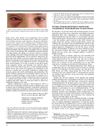
August 2011 in “Annals of Allergy Asthma & Immunology” This report describes a case of a 19-year-old woman experiencing severe recurrent angioedema with airway issues, leading to multiple emergency visits and unsuccessful treatment with typical steroid-sparing agents.
 October 2025 in “Dermatology and Therapy”
 This study evaluates the efficacy and safety of a higher dose (100-mg) of ritlecitinib for treating severe alopecia areata, comparing it to external and synthetic placebo control groups.
 1 citations
,
June 2026 in “Dermato”
1 citations
,
June 2026 in “Dermato” This narrative review found that ritlecitinib shows consistent effectiveness and a favorable safety profile for treating alopecia areata in clinical trials and real-world settings, with progressive hair regrowth observed, particularly when treatment is initiated early and maintained appropriately.
 February 2026 in “MedBA Medicine”
 This study identified potential new adverse drug reaction signals for erlotinib, used in lung and pancreatic cancer treatment, by analyzing a large dataset of case reports, indicating further clinical studies are necessary to confirm these findings.
 September 2022 in “PubMed”
 Entadfi, a mix of finasteride and tadalafil, is used for BPH.
September 2025 in “Journal of the American Academy of Dermatology” Ritlecitinib may help treat alopecia areata by protecting hair follicles.
September 2025 in “Value in Health”