 August 2025 in “Archiv Euromedica”
 This review explored the relationship between alopecia areata and gut microbiota imbalances, noting potential immune dysregulation due to microbiome alterations. It highlighted promising results from fecal microbiota transplantation in treating alopecia universalis, indicating a need for further research into microbiome-targeted therapies.

This report describes a complex case of postmenopausal hyperandrogenism with virilization and concurrent rare ovarian tumors, highlighting the critical role of interdisciplinary collaboration in diagnosing and managing such challenging scenarios.

This review discusses the potential of extracellular vesicles from various sources for skin rejuvenation and cosmetic use, noting promising results, especially with mesenchymal stem cell-derived vesicles, but reports no new clinical results.
 January 2023 in “Pakistan Armed Forces Medical Journal”
  September 2021 in “Han'gug mi'saengmul saengmyeong gong haghoeji/Han-guk misaengmul saengmyeong gonghak hoeji”
 This study found that an ethanolic extract from the microalga Tetrathelmis tetrathele exhibited anti-inflammatory effects, promoted the proliferation of certain skin and hair cells, and inhibited 5α-reductase activity, suggesting its potential as a therapeutic agent for preventing alopecia and enhancing scalp health.

This book reviews evidence-based medicine practices in obstetrics and gynecology but reports no new clinical findings.
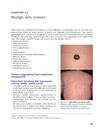
This chapter classifies various benign skin tumors and discusses their characteristics, treatment indications, and potential for recurrence, but reports no new clinical findings.
 December 2015 in “University of Birmingham Institutional Research Archive (University of Birmingham)”
 This study showed that regulation of adipose androgen generation via AKR1C3 may contribute to a cycle of hyperinsulinaemia and lipid accumulation in women with PCOS.
 27 citations
,
April 2017 in “British Journal of Dermatology”
27 citations
,
April 2017 in “British Journal of Dermatology” This study identified overexpression of certain immune-related genes and underexpression of genes in specific signaling pathways in premature androgenetic alopecia, suggesting potential new therapeutic targets.
 26 citations
,
July 2016 in “PLOS ONE”
26 citations
,
July 2016 in “PLOS ONE” This study demonstrated that β-catenin signaling in CD133+ dermal papilla cells enhances postnatal hair growth by accelerating the proliferation and differentiation of keratinocytes in the murine hair cycle.
 24 citations
,
March 2007 in “International Journal of Dermatology”
24 citations
,
March 2007 in “International Journal of Dermatology” This study translated and culturally adapted the Skindex-16 questionnaire into Arabic, finding it to be a reliable and valid measure of quality-of-life impacts from skin diseases in Saudi patients.
 15 citations
,
January 2009 in “International Journal of Andrology”
15 citations
,
January 2009 in “International Journal of Andrology” This study found that an alcoholic extract of Glycyrrhiza glabra significantly reduced prostate weight and serum testosterone in castrated rats given testosterone, indicating potential antiandrogenic properties.
 March 2026 in “Cancer Diagnosis & Prognosis”
 In this study, researchers used a patient-reported outcome questionnaire to assess long-term adverse effects in breast cancer patients undergoing chemotherapy, finding persistent symptoms like neuropathy, dysgeusia, insomnia, and nail loss. Peripheral neuropathy was notably prolonged in those receiving anthracycline- and taxane-based regimens compared to docetaxel/cyclophosphamide.
33 citations
,
May 2017 in “Journal of Clinical Oncology” This phase I study reported that ETC-159, targeting Wnt signalling, showed tolerable safety profiles at doses that inhibit its pathway, though bone turnover markers increased, warranting early and regular monitoring. No tumor responses were observed, but two patients achieved stable disease for several cycles.
7 citations
,
April 2008 in “Progrès en Urologie”  April 2007 in “Nature Clinical Practice Urology”
 TICE salvage chemotherapy is effective for treating germ-cell tumors with poor prognosis.
65 citations
,
February 2011 in “Molecular cancer therapeutics” This study reported that the novel AKT inhibitor CCT128930 demonstrated significant antitumor activity in human cancer cell lines and xenografts, highlighting its potential as an anticancer therapy.
December 2004 in “Annales d Urologie” This article examines the PCPT study on whether daily finasteride can reduce prostate cancer incidence, describing its methodology and findings but reporting no new clinical results.
 September 2009 in “European Urology Supplements”
 Cone beam computed tomography can allow for smaller safety margins around the target area in prostate cancer radiation treatment if used for ongoing treatment checks.

This study found that CPA-loaded nanoparticles, particularly SLN formulations, increased CPA epidermal penetration compared to a conventional cream and may reduce side effects in treating androgen-dependent conditions.
March 2026 in “Drug Testing and Analysis” This study observed that the degradation product PTeCA significantly increased in hair treated with oxidative cosmetics, suggesting it could be a reliable marker for detecting such treatments, with a proposed PTCA cut-off value using PTeCA as the gold standard.
12 citations
,
August 2001 in “PubMed” This study found that contrast enhanced phototrichogram (CE-PTG) significantly improved detection of various hair types and growth stages in androgenetic alopecia compared to standard PTG and was comparable to biopsy analysis.
33 citations
,
June 2007 in “Gene Expression Patterns” This study found that CTIP2 is highly expressed in mouse skin during embryogenesis and adulthood, suggesting it may play a role in skin development and homeostasis.
 3 citations
,
May 2024 in “Cureus”
3 citations
,
May 2024 in “Cureus” This review revisits hair-thread tourniquet syndrome, highlighting the importance of prompt diagnosis and treatment by removing the constricting hair or similar substance to prevent damage to affected body parts, aiming to raise healthcare professionals' awareness for better prevention and management.
April 2008 in “Progrès en Urologie” 1 citations
,
April 2008 in “Progrès en Urologie” Systematic end-of-trial biopsies are the most reliable way to assess outcomes.
79 citations
,
October 2003 in “PubMed” In this study, PKCepsilon transgenic mice showed increased TNFalpha shedding during skin tumor promotion, which may contribute to the development of metastatic squamous cell carcinoma.
 5 citations
,
January 2018
5 citations
,
January 2018 This study optimized a screening assay to identify molecules that inhibit or enhance TRPM5 ion channel activity, which may have implications for treating dysfunctions linked to cardiac arrhythmias and diabetes.
April 2012 in “Neuropediatrics” This article reviews the genetic and phenotypic characteristics of Trichothiodystrophy and discusses the associated DNA repair defects, but does not report new clinical findings.
 24 citations
,
January 2019 in “Theranostics”
24 citations
,
January 2019 in “Theranostics” This study found that loss of the Pten gene in Lgr5+ hair follicle stem cells promoted squamous cell carcinoma formation through the Akt/β-catenin signaling pathway.