 December 2024 in “Journal of General-Procedural Dermatology & Venereology Indonesia”
 In this study, a topical hair growth serum containing ingredients like procapil and redensyl was found to be safe and effective for subjects with androgenic alopecia, significantly improving hair density, thickness, and Anagen:Telogen ratio after 120 days, with no observed adverse effects.
October 2022 in “Our Dermatology Online” In this study, researchers compared the effectiveness of a tonic containing Capixyl, Procapil, and rosemary extract with 2% minoxidil in reducing hair loss and promoting hair growth in male participants over a 24-week period.
 January 2025 in “International Journal of Trichology”
 This review highlighted the hype surrounding topical hair growth ingredients such as Redensyl, Procapil, and others, noting promising results but also emphasizing the limitations of existing studies, including small sample sizes and lack of standard therapy comparisons.
 October 2021 in “Cosmoderma”
 This review summarizes existing knowledge on diffuse and patterned alopecia, emphasizing recent advancements in treatment beyond FDA-approved options, but it reports no new clinical findings.
January 2022 in “Journal of Cosmetics, Dermatological Sciences and Applications” This study found that applying SERUM THICKER increased hair density significantly over six months in individuals with mild to moderate androgenetic alopecia, with greater efficacy from daily use.
 May 2026 in “Journal of Drugs in Dermatology”
 This study reports that a dual cosmetic serum system by KilgourMD significantly improved hair loss in predominantly menopausal women over a 4-month period, as evidenced by objective and clinical assessments.
 39 citations
,
June 2017 in “Journal of Applied Research on Medicinal and Aromatic Plants”
39 citations
,
June 2017 in “Journal of Applied Research on Medicinal and Aromatic Plants” This review examines around 68 plant sources from six major plant families, assessing their scientific rationale and use by the cosmeceutical industry for applications like anti-ageing and sun protection.
 22 citations
,
August 2017 in “Stem cells and cloning”
22 citations
,
August 2017 in “Stem cells and cloning” This review analyzes therapies used for androgenic alopecia, highlighting potential advances from stem cell technologies and regenerative medicine, and reports no new clinical results.
 19 citations
,
April 2024 in “Journal of Umm Al-Qura University for Applied Sciences”
19 citations
,
April 2024 in “Journal of Umm Al-Qura University for Applied Sciences” This review explores the diverse roles of rosemary, covering its nutritional and medicinal uses, cosmetic and pharmaceutical applications, and evaluates various extraction methods, with a focus on sustainable practices and commercial prospects.
 5 citations
,
January 2017 in “Elsevier eBooks”
5 citations
,
January 2017 in “Elsevier eBooks” This review focuses on the roles of amino acids, peptides, and proteins in cosmetics, highlighting their importance in skin health and their potential for development in personal care products due to their unique properties and biocompatibility.
 1 citations
,
September 2019 in “Practica medicală”
1 citations
,
September 2019 in “Practica medicală” This article discusses the challenges in treating androgenic alopecia and highlights its potential links to coronary heart disease and metabolic syndrome but reports no new clinical findings.
 December 2025 in “IP Indian Journal of Clinical and Experimental Dermatology”
 This review reports that the treatment of androgenetic alopecia is shifting from single therapies to personalized, multimodal approaches incorporating both traditional and emerging pharmacologics, regenerative strategies, nutraceuticals, cosmeceuticals, and device-based interventions, with combination regimens showing improved outcomes.
 October 2025 in “Clinical Cosmetic and Investigational Dermatology”
 This study established consensus guidelines for diagnosing and managing androgenetic alopecia in Egypt, emphasizing individualized care and emerging therapies based on a survey of Egyptian dermatologists and refinement through expert review.
 September 2025 in “IP Indian Journal of Clinical and Experimental Dermatology”
 Results are not reported in this abstract, which focuses on promoting the offerings of a medical publisher in Delhi, India, including open access and print journals across various medical disciplines.
December 2024 in “International Journal of Scientific Reports” This study found that OZiva+ advanced hair growth serum significantly increased hair follicle length and showed no irritation, indicating it may be a safer alternative to traditional hair loss treatments like minoxidil.
 October 2024 in “International Journal of Research in Dermatology”
 This study reported that using Mintop Pro+ hair regrowth serum twice daily for 90 days significantly reduced hair fall and increased consumer satisfaction with hair growth and density, without any adverse events, among 161 participants aged 18-55 years with hair loss concerns.
 August 2023 in “International Journal of Research in Dermatology”
 In this study, 93% of women using Mintop Shampoo, containing Procapil and Redensyl, reported effectiveness in reducing hair fall, improving hair strength, and reducing dryness over 30 days, with no adverse events reported.
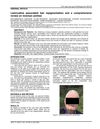
This review reports the first known case of hair repigmentation associated with lamivudine use and examines mechanisms related to drug-induced hair repigmentation, suggesting potential therapeutic strategies for reversing hair graying.
October 2019 in “Zenodo (CERN European Organization for Nuclear Research)” In this study, researchers developed a new solution called CapilGen, showing it increased hair quantity by 35% and density by 25% in clinical trials without side effects, providing a potentially safe and effective treatment for baldness.
June 2025 in “Zenodo (CERN European Organization for Nuclear Research)” Combining Procapil with minoxidil improves hair growth in men with hair loss.
June 2025 in “Zenodo (CERN European Organization for Nuclear Research)” Combining Procapil with minoxidil improves hair growth in men with hair loss.
 May 2025 in “Journal of Cosmetic Dermatology”
 This study observed that the addition of Cuticapil Stem Hair Serum to standard care significantly improved hair growth and reduced hair shedding in patients with androgenetic alopecia, demonstrating superior efficacy compared to standard care alone without any reported adverse events.
April 2024 in “Journal of Pakistan Association of Dermatologists” This study found that adding procapil to minoxidil was more effective than minoxidil alone in improving hair count, patient satisfaction, and dermatologist assessment scores for treating androgenetic alopecia over 12 months.
November 2025 in “The Bioscan.” This case report describes a 30-year-old male with alopecia areata who recovered after treatment with the homeopathic remedy Pix Liquida.
 June 2024 in “Journal of Ayub Medical College Abbottabad”
 This study concluded that adding 5% topical Procapil to PRP therapy provided better outcomes for androgenetic alopecia than PRP alone, as assessed by dermatologist evaluations and patient satisfaction.
This study found that 54% of participants with androgenetic alopecia using Ricapil® showed clinical signs of hair follicle reactivation and initial hair regrowth over three months.
July 2000 in “Hair transplant forum international” This commentary discusses the practice of prescribing and dividing Proscar tablets for cost-effective finasteride use and reports no new clinical findings.
May 2025 in “Biological and Clinical Sciences Research Journal” This randomized controlled trial found that topical 5% minoxidil was more effective than topical 5% Procapil in treating androgenetic alopecia after six months, as indicated by patient self-assessment, global photography, and researcher evaluation, with statistically significant differences favoring minoxidil.
 November 2025 in “The Bioscan.”
 This case report describes a 30-year-old man with alopecia areata who experienced recovery following treatment with the homeopathic medication Pix Liquida.
 October 2018 in “International journal of clinical & experimental dermatology”
 In this pilot study, baicalin-containing serum significantly decreased hair loss and increased hair growth after two months in participants with telogen effluvium, as subjective and objective assessments showed statistically significant improvements in hair thickness and density.