
This study detected insomnia risk signals associated with various medications, primarily nervous system drugs, using the FDA's Adverse Event Reporting System data from 2004 to 2024.
March 2025 in “Journal of Investigative Dermatology” 14 citations
,
June 2022 in “British Journal of Dermatology” This study found that the Alopecia Areata Symptom Impact Scale (AASIS) is a better tool than the Alopecia Areata Quality of Life Index (AA-QLI) for assessing patient-reported outcomes in alopecia areata.
1 citations
,
August 2021 in “Journal of Investigative Dermatology” ASLAN004 was safe and well-tolerated, supporting further development for treating certain diseases.
43 citations
,
November 2009 in “Archives of dermatology” This study found that alefacept showed no significant improvement in treating severe alopecia areata compared to placebo over a 24-week period.
March 2026 in “Journal of the European Academy of Dermatology and Venereology” This study introduced and validated the VESALT, a visual extension of the Severity of Alopecia Tool, finding it offers improved reliability and user-friendliness over SALT by incorporating pattern recognition and broader coverage, including non-scalp regions, in assessing alopecia areata severity.
June 2024 in “British Journal of Dermatology” This study found that alopecia areata significantly impacts patients' quality of life irrespective of hair loss severity, and concluded that the newer assessment tools AAPPO and AASIS better capture this impact compared to the traditional SALT measure.
15 citations
,
April 2008 in “Headache” This review discusses the complex relationship between migraine and psychiatric disorders, highlighting the need for individualized treatment plans but reports no new clinical results.
2 citations
,
July 2025 in “Journal of Ovarian Research” This study found that among women with PCOS, a bedtime after midnight was independently linked to higher androgen levels and decreased lean muscle mass.
 2 citations
,
June 2018 in “Sudan journal of medical sciences”
2 citations
,
June 2018 in “Sudan journal of medical sciences” In this case study, a 45-year-old woman's hair loss improved after three months of weekly high-dose vitamin D supplementation, emphasizing the importance of assessing vitamin D levels in patients with hair loss.
November 2022 in “Journal of the Endocrine Society” This case study suggests that marijuana use may be associated with low TSH levels without causing thyroid dysfunction in humans.
 May 2015 in “Hair transplant forum international”
 This article discusses the American Society of Hair Restoration Surgery (ASHRS) but does not present new research findings.
 November 2021 in “World Family Medicine Journal /Middle East Journal of Family Medicine”
 This study revealed low knowledge about corneal donation in the Aseer region, Saudi Arabia, with a significant association between willingness to donate and having a good level of knowledge.
 January 2024 in “JEADV clinical practice”
 This article reviews how SALT scores are used in clinical trials for alopecia areata and provides patient images to help clinicians understand and apply these scores in practice; it reports no new clinical results.
 44 citations
,
November 2016 in “Journal of The American Academy of Dermatology”
44 citations
,
November 2016 in “Journal of The American Academy of Dermatology” This article updates a diagnostic tool (SALT II) for assessing hair loss by adding more precise measurements of scalp surface area, particularly useful for various types of alopecia.
21 citations
,
February 2024 in “JAMA Dermatology” This study identified multiple factors affecting the severity of alopecia areata, suggesting they could inform a tool for measuring disease impact and guide treatment selection.
December 2025 in “Journal of health economics and outcomes research” This analysis highlights the substantial financial burden AA creates in Saudi Arabia, emphasizing the importance of early diagnosis and standardized treatment protocols to improve resource allocation and patient outcomes.
 January 2024 in “Journal of Clinical Rheumatology and Immunology”
 In this case report, researchers described a severe case of myelosuppression and alopecia totalis in a patient with systemic lupus erythematosus following azathioprine treatment, highlighting the importance of monitoring for these uncommon side effects.
February 2026 in “Australasian Journal of Dermatology” This study developed a handheld card to simplify the calculation of the SALT score for assessing alopecia areata severity, noting that while it accelerates the process, formal validation against existing methods is still needed.
 April 2025 in “Scientific Reports”
 This study explores how Astragaloside A from traditional Chinese medicine may combat lung adenocarcinoma by regulating key signaling molecules like STAT3 and AKT, using techniques such as network pharmacology and molecular docking to understand its mechanisms in cellular models.
2 citations
,
August 2024 in “Preprints.org” This case study reports a potential link between ichthyosis and scalp paresthesia, noting that fluocinolone, a synthetic corticosteroid, was effective in reducing paresthesia episodes, suggesting its possible role in the symptomatic treatment of this condition.
 September 2022 in “Journal of Investigative Dermatology”
 This study found that the Severity of Alopecia Tool score does not predict the quality of life in patients with alopecia areata, suggesting patient-reported outcomes better reflect the impact on life quality.
6 citations
,
March 2021 in “Journal of the American Academy of Dermatology” This study found that the Brigham Eyelash Tool for Alopecia (BELA) is a reliable measure for assessing eyelash loss in alopecia areata patients, demonstrating high inter- and intrarater reliability.
3 citations
,
January 2011 in “Yearbook of Dermatology and Dermatologic Surgery” 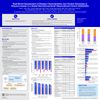
In this retrospective study of alopecia areata patients across several European countries, researchers observed a notable reduction in SALT scores, but few patients reached or maintained a clinically significant SALT score of ≤20, indicating potentially limited effectiveness of current treatments for extensive hair loss.
 July 2026 in “JMIR Dermatology”
 This study analyzed online discussions and search behavior in Gulf countries, uncovering significant engagement and identifying gaps in awareness and understanding of alopecia areata among patients and healthcare professionals, suggesting a need for targeted educational initiatives to enhance support and reduce stigma.
 20 citations
,
March 2020 in “Journal of Asthma”
20 citations
,
March 2020 in “Journal of Asthma” This review discusses the challenges in diagnosing and managing asthma in older adults and reports no new results; the authors emphasize the importance of addressing comorbidities and potential medication adverse events.
 April 2026 in “Zenodo (CERN European Organization for Nuclear Research)”
 This research presents the Dodatek A model, elaborating on androgen function through new mathematical indices and methodological improvements, shifting focus from serum hormone concentrations to system interactions to better describe androgen activity comprehensively.
 January 1995 in “Hair transplant forum international”
 This article describes the inaugural meeting of the ASHRS, detailing its organization and schedule, but reports no research findings.
 January 2024 in “International Journal of Medicine in Developing Countries”
 This study in Alahsa, Saudi Arabia, found that the majority of the general population has limited awareness of thyroid disease symptoms and risk factors, with only 21.8% demonstrating good knowledge about the disorders.