 42 citations
,
October 2009 in “The journal of investigative dermatology/Journal of investigative dermatology”
42 citations
,
October 2009 in “The journal of investigative dermatology/Journal of investigative dermatology” In this study, researchers identified two distinct homozygous mutations in the KRT85 gene among consanguineous Pakistani families with pure hair and nail ectodermal dysplasia, highlighting variations in severity and potential impacts on the K85 protein function.
December 2021 in “OPAL (Open@LaTrobe) (La Trobe University)” This study found that BBS7 is crucial for maintaining Sonic hedgehog signaling activity and periodontal ligament homeostasis, with changes in gene expression observed in occlusal hypofunctional PDL.
 16 citations
,
September 2008 in “Dermatologic Therapy”
16 citations
,
September 2008 in “Dermatologic Therapy” This review discusses the clinical features, genetics, and treatment of 21-hydroxylase deficiency, a common type of congenital adrenal hyperplasia, and reports no new research findings.
December 2021 in “Figshare” This study found that BBS7 expression is crucial for maintaining Sonic hedgehog signaling and periodontal ligament homeostasis in occlusal hypofunctional conditions.
August 2025 in “American Journal of Case Reports” In this case report, researchers describe a 13-year-old phenotypic female with 46,XY karyotype, previously misdiagnosed with androgen insensitivity syndrome, who was later identified to have 17-beta-hydroxysteroid dehydrogenase type 3 deficiency, underscoring the importance of genetic and hormonal tests for accurate diagnosis of sex development disorders.
December 2021 in “Figshare” This study suggests that BBS7 is crucial for maintaining PDL homeostasis by supporting Sonic hedgehog signaling activity, with occlusal hypofunction leading to its downregulation and associated tissue changes.
37 citations
,
December 2003 in “Reproductive Toxicology” The researchers reported that the rat Hershberger assay reliably detected endocrine-disrupting effects of finasteride, procymidone, and 17α-methyltestosterone, validating the assay's sensitivity for identifying hormonal activity.
December 2021 in “Figshare” This study found that BBS7 expression is crucial for maintaining Sonic hedgehog signaling activity and periodontal ligament homeostasis, suggesting its downregulation in occlusal hypofunction affects cell migration and angiogenesis.
December 2021 in “Figshare” This study found that BBS7 is downregulated in occlusal hypofunctional periodontal ligament, suggesting it plays a crucial role in maintaining Shh signaling for PDL homeostasis.
 42 citations
,
July 2007 in “Journal of Biological Chemistry”
42 citations
,
July 2007 in “Journal of Biological Chemistry” This study found that most pathogenic HR mutants associated with atrichia with papular lesions had abolished corepressor activity due to defective interactions with histone deacetylases.
 30 citations
,
January 2009 in “Nuclear Receptor Signaling”
30 citations
,
January 2009 in “Nuclear Receptor Signaling” This study identified the Hairless (Hr) gene-encoded protein as a corepressor that plays a crucial role in maintaining skin and hair by regulating epithelial stem cell differentiation and gene expression via chromatin remodeling, which may impact both development and disease.
 January 2023 in “Endocrine Journal”
 This review discusses the challenges in optimizing glucocorticoid treatment for classic 21-hydroxylase deficiency, emphasizing individualized care and the need for comprehensive management, but presents no new findings.
46 citations
,
December 1992 in “The Journal of Steroid Biochemistry and Molecular Biology” In this study, researchers observed that testicular 17β-hydroxysteroid dehydrogenase deficiency in an inbred Arab population in Israel leads to genital ambiguity at birth and progressive virilization after puberty.
 5 citations
,
February 2019 in “PloS one”
5 citations
,
February 2019 in “PloS one” This study found that structural defects in the hair shafts of sighthounds with bald thigh syndrome are related to a downregulation of genes and proteins essential for hair shaft formation.
 7 citations
,
December 2015 in “International Journal of Dermatology”
7 citations
,
December 2015 in “International Journal of Dermatology” In this study, researchers identified a novel and two previously reported pathogenic mutations in the HR gene associated with atrichia with papular lesions in five Pakistani families.
56 citations
,
November 2007 in “Molecular and cellular endocrinology” This study identified enzymes responsible for regulating androgen action in the human prostate, suggesting that inhibiting AKR1C2 or RL-HSD may have therapeutic potential in androgen insufficiency or benign prostatic hyperplasia, respectively.
19 citations
,
November 2015 in “Radiation Oncology” This study found that hippocampus sparing whole brain radiation therapy (HS-WBRT) using multi-field intensity modulated radiation therapy prevents alopecia without compromising cognitive function compared to traditional whole brain radiation therapy.
1 citations
,
May 2013 in “Hair transplant forum international” Non-classical 21 hydroxylase deficiency is an underdiagnosed cause of female hair loss and polycystic ovarian syndrome.
October 2024 in “Endocrinology Insights” In this study, researchers found that both the EU-TIRADS and Bethesda systems exhibited high specificity but suboptimal sensitivity for predicting thyroid nodule malignancy in patients who underwent surgery, with Bethesda system showing particularly high specificity in this postoperative population.
 25 citations
,
January 2021 in “Journal of drugs in dermatology”
25 citations
,
January 2021 in “Journal of drugs in dermatology” This review reports that sonidegib and vismodegib, two Hedgehog inhibitors used for treating advanced basal cell carcinoma, have similar efficacy and safety profiles, but differ in pharmacokinetics, with sonidegib achieving peak concentration more rapidly and reaching steady state later than vismodegib.
 102 citations
,
August 2008 in “Genes & Development”
102 citations
,
August 2008 in “Genes & Development” This study found that laminin-511 is crucial for hair morphogenesis in mice, as it influences primary cilia formation and dermal papilla maintenance through noggin and sonic hedgehog signaling.
 4 citations
,
January 2017 in “Journal of pediatric endocrinology & metabolism/Journal of pediatric endocrinology and metabolism”
4 citations
,
January 2017 in “Journal of pediatric endocrinology & metabolism/Journal of pediatric endocrinology and metabolism” This study identified two distinct VDR gene mutations among Lebanese families with hereditary vitamin D-resistant rickets, noting varied treatment responses and promising outcomes despite severe phenotypes.
 1 citations
,
November 2022 in “Journal of the Endocrine Society”
1 citations
,
November 2022 in “Journal of the Endocrine Society” This study found that US adults with classic congenital adrenal hyperplasia most preferred a hypothetical adjunctive therapy that prevents glucocorticoid-induced weight gain over other potential benefits.
 October 2024 in “Journal of the Endocrine Society”
 This case study reports on a rare form of vitamin D resistant rickets in a 37-year-old male, highlighting the condition's clinical features and the necessity for a thorough understanding of calcium and vitamin D metabolism in the diagnosis and management of metabolic bone diseases.
December 2021 in “Figshare” This study found that downregulation of BBS7 in periodontal ligament cells was associated with reduced Sonic hedgehog signaling, which plays a crucial role in maintaining PDL homeostasis.
2 citations
,
May 2022 in “Journal of trace elements in medicine and biology” This study found that administering lower doses of sodium pentaborate pentahydrate increased hair growth in rats via specific molecular pathways, while a higher dose suppressed these pathways and impaired hair growth.
 April 2010 in “The Journal of Urology”
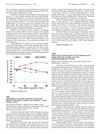
 Human prostate cells produce more WISP1/CCN4 when there's not enough oxygen.
November 2022 in “Journal of Investigative Dermatology” This study reported that an HS-associated NCSTN mutation in iPSC-derived skin organoids led to altered hair follicle stem cell differentiation and increased expression of proteins linked to HS inflammation.
 176 citations
,
June 2016 in “PLoS ONE”
176 citations
,
June 2016 in “PLoS ONE” In these initial clinical studies, NAP monotherapy showed significant reductions in HBsAg levels among patients with chronic HBV, suggesting potential as part of future combination therapies.
 19 citations
,
August 1999 in “European journal of endocrinology”
19 citations
,
August 1999 in “European journal of endocrinology” This study concluded that neither basal nor ACTH-stimulated 17-OHP concentrations effectively indicate carrier status for 21-hydroxylase deficiency among Slovenian hyperandrogenic women, recommending molecular analysis of the CYP21 gene for reliable screening.