Search
forResearch
5 / 867 resultsresearch 848 Genes implicated in lipid & metabolic regulation downregulated in CCCA
In this study, the researchers observed significant metabolic dysregulation in central centrifugal cicatricial alopecia, particularly involving lipid metabolism and the downregulation of AMPK-related genes.
research Associations between ionomic profile and metabolic abnormalities in a murine model of sodium sulfide induced alopecia areata
This study investigated alopecia areata in a mouse model, finding that tofacitinib may inhibit disease progression by modulating linoleic acid metabolism and magnesium pathways, particularly affecting CD8+ T cell infiltration in hair follicles, offering insights for potential treatments.
research Image 4_Associations between ionomic profile and metabolic abnormalities in a murine model of sodium sulfide induced alopecia areata.tif
The researchers reported that in a mouse model of alopecia areata, tofacitinib treatment influenced disease progression by modulating CD8+ T cell infiltration through the linoleic acid metabolism and magnesium ion pathway, offering insights into potential treatment approaches.
research Image 3_Associations between ionomic profile and metabolic abnormalities in a murine model of sodium sulfide induced alopecia areata.tif
This study found that tofacitinib may inhibit CD8+ T cell infiltration in alopecia areata by affecting the linoleic acid metabolism-Mg2+ pathway in a sodium sulfide-induced mouse model, highlighting new insights for clinical diagnosis and treatment strategies.
research Image 1_Associations between ionomic profile and metabolic abnormalities in a murine model of sodium sulfide induced alopecia areata.tif
This study found that in a mouse model of alopecia areata, tofacitinib inhibited CD8+ T cell infiltration at hair follicles by modulating linoleic acid metabolism and magnesium pathways, offering insights into potential therapeutic strategies for the condition.
Community Join
5 / 18 resultscommunity Adipocyte lipolysis activates epithelial stem cells for hair regeneration through fatty acid metabolic signaling
Fatty acid metabolic signaling can activate epithelial stem cells for hair regeneration. Oleic and palmitoleic acids showed the best results, but practical application on humans remains uncertain.
community Fats on your Head to Stop Hair Loss?
The conversation discusses the potential of long-chain unsaturated fatty acids, like oleic and linoleic acid, as an additional treatment for hair loss, which may inhibit the enzyme responsible for converting testosterone to DHT and promote hair growth. Users humorously suggest using oils topically and discuss other hair loss treatments, but the main focus is on the science behind fatty acids and their role in hair health.
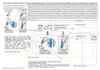
community Compressed part of research of theory of androgenic/anabolitic balance. AGA h-responders analytic. Theory of physio-metabolitic method of anti AGA treatment
The treatment for androgenetic alopecia involves using finasteride and minoxidil with intense exercise and cold exposure to boost metabolism and reduce androgenic effects, potentially leading to hair regrowth. This approach may activate biological pathways for improved hair and overall health.
community This, and the UCLA molecule(linked article in comments)…I have great hopes
Oleic acid and ethanol are being considered for hair regrowth, with some users planning to self-experiment. There is skepticism about their effectiveness, and ongoing use of treatments like finasteride and minoxidil is mentioned.
community Brotzu lotion update
A new hair loss lotion by Dr. Brotzu, expected to regrow up to 5 years of lost hair, is set to be released by Fidia Farmaceutici. It claims to work like minoxidil and finasteride without side effects, but skepticism exists due to its classification as a cosmetic product.
Experts
— no results
Clinics
— no results