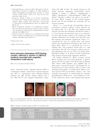
This study observed that hyperprolactinemia in women may be associated with skin and hair symptoms similar to those induced by androgens, suggesting hormone level evaluations in such cases.
This study observed that functional hyperprolactinemia in several women was associated with skinsymptoms such as seborrhea, acne, and hair-related issues, resembling androgen-induced conditions.
This study in male rats found that Cernitin™ significantly relieved pain and decreased prostate weight in models of chronic prostatitis and benign prostatic hyperplasia, suggesting an anti-inflammatory effect.
Ethinylestradiol/Chlormadinone Acetate is a safe and effective birth control pill that also helps regulate menstrual cycles, reduces period pain, and treats certain skin and hair conditions.
RU58841 is discussed as a topical anti-androgen for hair loss, but its effectiveness and safety are not well-documented, leading to mixed opinions and experiences among users. Some combine it with finasteride, but concerns about side effects and lack of FDA approval limit its popularity.
The conversation discusses topical androgen receptor blockers for hair loss, mentioning Clascoterone, Pyrilutamide, GT20029, and RU58841. Ketoconazole's effectiveness and application methods are also debated.
Creatine may cause increased hair shedding due to androgen receptor sensitivity, despite limited evidence. The user is using dutasteride and minoxidil and seeks advice on whether shedding will stabilize, with suggestions including GHK-Cu and RU58841.
Gut microbiota significantly influences androgen metabolism, impacting hair loss treatments like finasteride. Probiotics, dietary changes, and fecal microbiota transplants may help manage DHT levels and improve hair health.
The conversation discusses whether finasteride's reduction of DHT and increase in scalp testosterone contribute to hair follicle miniaturization. Some participants argue testosterone does not cause miniaturization, while others suggest that even with reduced DHT, other androgens like testosterone may still contribute to hair loss.