62 citations
,
January 2015 in “Journal of Dermatological Science” This review summarizes the current genetic research on alopecia areata, including potential new therapeutic strategies, but reports no new clinical findings.
 28 citations
,
January 2014 in “Indian Journal of Dermatology, Venereology and Leprology”
28 citations
,
January 2014 in “Indian Journal of Dermatology, Venereology and Leprology” This study found that dermatoscopy is useful for diagnosing and assessing primary cicatricial alopecias in Chinese patients, with alopecia mucinosa having a distinct feature of patulous follicular openings.
 33 citations
,
November 2012 in “Journal of The American Academy of Dermatology”
33 citations
,
November 2012 in “Journal of The American Academy of Dermatology” This study reported that female pattern hair loss was prevalent in 11.8% of women aged 30 and older and was associated with high fasting glucose, fewer childbirths, oral contraceptive use, and excessive ultraviolet exposure.
 141 citations
,
March 2011 in “Journal of Dermatology”
141 citations
,
March 2011 in “Journal of Dermatology” This study in Japan found varying prevalence of skin disorders, with atopic dermatitis common in children and tinea pedis in the elderly, and observed gender differences in disease susceptibility.
 24 citations
,
March 2009 in “Journal of the European Academy of Dermatology and Venereology”
24 citations
,
March 2009 in “Journal of the European Academy of Dermatology and Venereology” This paper highlights trichodynia as a distinguishing symptom of telogen effluvium, but it does not present new clinical findings.
 193 citations
,
August 2005 in “Journal of Investigative Dermatology Symposium Proceedings”
193 citations
,
August 2005 in “Journal of Investigative Dermatology Symposium Proceedings” This study found that the prevalence of androgenetic alopecia increases with age among both men and women in Maryborough, Australia, with 57% of women and 73.5% of men aged 80 and over affected.
254 citations
,
December 2003 in “Journal of the American Academy of Dermatology” This study reviewed the epidemiology and treatment of inflammatory cicatricial alopecias and highlighted the importance of scalp biopsies for accurate diagnosis in a mixed ethnic population at a university hair clinic.
 163 citations
,
November 2003 in “Journal of Investigative Dermatology”
163 citations
,
November 2003 in “Journal of Investigative Dermatology” This study found that women with androgenetic alopecia or alopecia areata have significantly lower serum ferritin levels than those without hair loss, suggesting a potential link between these types of alopecia and decreased iron stores.
 46 citations
,
September 2003 in “International Journal of Dermatology”
46 citations
,
September 2003 in “International Journal of Dermatology” This study found that trichodynia is common among patients with telogen effluvium and androgenetic alopecia, and it often coexists with psychological issues like depression and anxiety.
 194 citations
,
March 2003 in “American Journal of Pathology”
194 citations
,
March 2003 in “American Journal of Pathology” This study found that psychoemotional stress disrupts hair growth in mice by terminating anagen and suggests a potential pathway for pharmacological management of stress-related hair loss in humans.
 174 citations
,
November 2002 in “Expert Reviews in Molecular Medicine”
174 citations
,
November 2002 in “Expert Reviews in Molecular Medicine” This review discusses the genetic factors contributing to androgenetic alopecia and highlights the potential for developing more effective therapies based on recent discoveries, but reports no new clinical results.
275 citations
,
November 2002 in “International Journal of Dermatology” This study found that among an Asian population with alopecia areata, commonly first episodes occurred before age 40, with severe cases linked to psychological effects and treatments showing significant regrowth.
 239 citations
,
July 2002 in “Clinical and Experimental Dermatology”
239 citations
,
July 2002 in “Clinical and Experimental Dermatology” This review explores the role of nutritional factors in hair loss, noting that iron and l-lysine supplementation may benefit some individuals, while excessive supplements can lead to hair shedding.
 1 citations
,
May 2002 in “British Journal of Dermatology”
1 citations
,
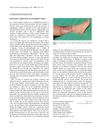
May 2002 in “British Journal of Dermatology” This article provides an overview of hair density, hair diameter, and the prevalence of female pattern hair loss but reports no new clinical findings.
 69 citations
,
February 2002 in “International Journal of Cosmetic Science”
69 citations
,
February 2002 in “International Journal of Cosmetic Science” This review discusses genetic and nutritional causes of hair loss, highlighting that around 90% of treated men show noticeable hair regrowth with a dual inhibitor, while women's hair loss may improve by correcting iron and l-lysine deficiencies.
 48 citations
,
January 2002 in “Dermatology”
48 citations
,
January 2002 in “Dermatology” In this study, hair pain (trichodynia) was reported by a significant portion of patients with hair loss, but it did not correlate with the cause or activity of the condition.
 50 citations
,
December 1998 in “Dermatologic Surgery”
50 citations
,
December 1998 in “Dermatologic Surgery” In this study, 42% of healthy men aged 18-49 showed moderate to extensive male pattern hair loss, with prevalence increasing significantly with age.
 83 citations
,
April 1992 in “Clinical Endocrinology”
83 citations
,
April 1992 in “Clinical Endocrinology” This study found that treatment with cyproterone acetate and ethinyl oestradiol increased hair density in women with diffuse androgen-dependent alopecia, particularly when serum ferritin levels were above 40 μg/l.