2 citations
,
June 2025 in “Journal of the American Academy of Dermatology” Low-dose oral minoxidil can cause dizziness in women without lowering blood pressure, so careful monitoring is needed.
 September 2024 in “Journal of the American Academy of Dermatology”
 This review suggests that tight hairstyles and prolonged periods of wearing hijabs can lead to traction alopecia, with specific management strategies needed for hijab-wearing individuals.
3 citations
,
May 2024 in “International Journal of Dermatology”  May 2023 in “JAMA network open”
 After a New York Times article talked about using low-dose oral minoxidil for hair loss, more people started getting this drug prescribed, but this trend didn't last long.
 1 citations
,
May 2023 in “JAMA dermatology”
1 citations
,
May 2023 in “JAMA dermatology” Tight hairstyles can cause hair loss, which can be permanent if not treated early.
February 2023 in “Journal of The American Academy of Dermatology” This publication discusses the use of low-dose oral minoxidil for treating traction alopecia but reports no new clinical outcomes; further research on its efficacy and safety is needed.
 1 citations
,
March 2022 in “JAAD case reports”
1 citations
,
March 2022 in “JAAD case reports” This review discusses traction alopecia, its causes, and common treatments, noting a lack of data on effective treatment options; the authors emphasize altering hair care practices to potentially reverse early-stage alopecia.
 21 citations
,
March 2021
21 citations
,
March 2021 This study reviewed the literature on low-dose oral minoxidil as a primary treatment for various hair loss disorders, concluding that it is a successful and well-tolerated alternative to topical minoxidil for patients with poor adherence to other therapies.
 January 2020 in “El-Minia Medical Bulletin”
 In this study, treatment with minoxidil led to clinical improvement in hair growth and density for most of the 10 patients with traction alopecia, starting around 3 months and completing by 6 months.
7 citations
,
January 2016 in “Dermatology online journal” This case report describes a 24-year-old woman with traction alopecia, highlighting that if the excessive traction is not addressed, it can progress from reversible to permanent hair loss.
 59 citations
,
August 2010 in “Journal of The American Academy of Dermatology”
59 citations
,
August 2010 in “Journal of The American Academy of Dermatology” This study observed that certain hair care practices, such as wearing cornrows and using hair extensions, were strongly associated with the development of traction alopecia and seborrheic dermatitis in African American girls.
 40 citations
,
December 2006 in “Journal of The European Academy of Dermatology and Venereology”
40 citations
,
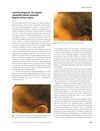
December 2006 in “Journal of The European Academy of Dermatology and Venereology” This article reports two cases where 2% topical minoxidil showed promise in treating traction alopecia, but it does not offer broader clinical conclusions.