 11 citations
,
April 2015 in “EBioMedicine”
11 citations
,
April 2015 in “EBioMedicine” This research highlights that JAK inhibitors, such as baricitinib, may effectively reverse symptoms of alopecia areata by targeting specific immune pathways, though safety and efficacy require further investigation.
 July 2026 in “Zenodo (CERN European Organization for Nuclear Research)”
 This paper reviews recent advancements in understanding hair follicle structure and the role of JAKs in hair growth, though it does not report new experimental findings.
 December 2025 in “International Journal of Innovative Technologies in Social Science”
 This systematic review concluded that oral JAK inhibitors, such as baricitinib and deuruxolitinib, are effective and generally well-tolerated treatments for moderate-to-severe alopecia areata, offering advantages over traditional therapies.
 November 2023 in “Cell Proliferation”
 This study found that adipose-derived stem cells with DKK1 knocked out using CRISPR/Cas9 promoted hair growth in an alopecia areata model more effectively than untreated stem cells, suggesting DKK1 is a potential therapeutic target for this condition.
 January 2024 in “International Journal of Molecular Sciences”
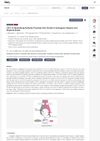
 This study found that subcutaneous injection of a CXCL12 neutralizing antibody significantly promoted hair growth in androgenic alopecia and inhibited hair loss in alopecia areata in mouse models, suggesting its potential as a promising treatment for hair loss.