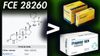
Studysummary This study found that ethanol-based extracts of Allium sativum and Trigonella foenum-graecum exhibited strong 5α-reductase inhibitory activity, suggesting potential for managing testosterone-induced diseases like androgenetic alopecia. Our plain-language summary of this paper — not a Tressless recommendation.
The study investigated the 5α-reductase inhibitory activity of ethanol-based extracts from Olea europaea, Trigonella foenum-graecum, and Allium sativum, which are traditionally used in Iran for culinary and medicinal purposes. The research aimed to explore their potential as antiandrogens for managing androgenetic alopecia, a common type of hair loss. The study involved six samples, including enzyme and control groups. The results showed that Allium sativum and Trigonella foenum-graecum exhibited strong enzyme inhibitory activities, suggesting that these herbal extracts could be developed into new treatments for testosterone-induced conditions like androgenic alopecia.
 35 citations
,
January 2014 in “Postepy Dermatologii I Alergologii”
35 citations
,
January 2014 in “Postepy Dermatologii I Alergologii” This study found that increased dihydrotestosterone levels were observed in both androgenetic alopecia patients and controls, suggesting that follicle sensitivity to DHT may be more critical than DHT levels for alopecia development.
 33 citations
,
May 2013 in “Andrologia”
33 citations
,
May 2013 in “Andrologia” This study identified several herbs, including Ganoderma lucidum and Urtica dioica, that showed promising 5α-reductase inhibitory activity suggesting potential use in managing androgenic disorders.
5 citations
,
January 2013 in “Spatula DD - Peer Reviewed Journal on Complementary Medicine and Drug Discovery” This study found that a polyherbal formulation of Trigonella foenum-graecum and Butea monosperma significantly promoted hair growth and reduced DHT levels in a chemotherapy-induced alopecia model.
61 citations
,
January 2007 in “Indian Journal of Dermatology Venereology and Leprology” This study found that garlic gel significantly improved the efficacy of topical betamethasone valerate in treating alopecia areata compared to placebo.
 28 citations
,
January 2003 in “Urologic oncology”
28 citations
,
January 2003 in “Urologic oncology” This review discusses the hormonal influences on prostate carcinogenesis and notes ongoing trials investigating whether finasteride could reduce prostate cancer incidence by inhibiting dihydrotestosterone synthesis, but it reports no new results.