 42 citations
,
July 2015 in “Journal of The American Academy of Dermatology”
42 citations
,
July 2015 in “Journal of The American Academy of Dermatology” This review discusses diagnostic and treatment considerations for women with cutaneous hyperandrogenism, noting therapeutic options are more effective for hirsutism and acne than for androgenetic alopecia, but reports no new clinical results.
 60 citations
,
October 2014 in “Journal of the American Academy of Dermatology”
60 citations
,
October 2014 in “Journal of the American Academy of Dermatology” This review examines the definition, etiology, pathogenesis, and clinical features of polycystic ovary syndrome but reports no new clinical findings.
 16 citations
,
March 2014 in “Journal of the European Academy of Dermatology and Venereology”
16 citations
,
March 2014 in “Journal of the European Academy of Dermatology and Venereology” This study found that acne was the most common dermatological manifestation in Korean women with polycystic ovary syndrome, particularly those with a specific combination of symptoms, showing distinct variations in serum hormonal and metabolic parameters.
 48 citations
,
February 2014 in “Fertility and Sterility”
48 citations
,
February 2014 in “Fertility and Sterility” This study found that androgenic alopecia is present in 22% of women with polycystic ovary syndrome and is associated with acne and hirsutism, but not with increased biochemical hyperandrogenemia or metabolic dysfunction beyond PCOS.
 28 citations
,
April 2013 in “Fertility and Sterility”
28 citations
,
April 2013 in “Fertility and Sterility” This study found that Caucasian and Asian women with PCOS in the San Francisco Bay Area had a similar prevalence of androgen excess, including hirsutism, across most measures.
 29 citations
,
November 2011 in “Human Fertility”
29 citations
,
November 2011 in “Human Fertility” This study reports significant variability in PCOS symptoms across women attending infertility, gynecology, endocrine, and dermatology clinics, highlighting the importance of recognizing diverse presentations and associated health risks like impaired glucose tolerance and diabetes.
 67 citations
,
February 2010 in “Acta Obstetricia et Gynecologica Scandinavica”
67 citations
,
February 2010 in “Acta Obstetricia et Gynecologica Scandinavica” In this study, hirsutism in women with PCOS was strongly associated with hyperandrogenism and metabolic abnormalities, while acne and androgenic alopecia were not effective markers for hyperandrogenism.
 1540 citations
,
October 2008 in “Fertility and Sterility”
1540 citations
,
October 2008 in “Fertility and Sterility” This review discusses the definition of polycystic ovary syndrome proposed by the AE-PCOS Society Task Force, emphasizing hyperandrogenism, ovarian dysfunction, and excluding related disorders, while noting potential variations needing more research.
 19 citations
,
March 2008 in “Nature clinical practice endocrinology & metabolism”
19 citations
,
March 2008 in “Nature clinical practice endocrinology & metabolism” A combined drug and laser treatment improved hirsutism in a PCOS patient, also enhancing her heart health and requiring regular liver and kidney checks.
 76 citations
,
January 2007 in “American Journal of Clinical Dermatology”
76 citations
,
January 2007 in “American Journal of Clinical Dermatology” This review discusses the dermatologic features of PCOS as potential early indicators of the syndrome and notes that treatment of these conditions may enhance quality of life and psychological well-being, but it reports no new clinical results.
 97 citations
,
July 2006 in “Dermatologic therapy”
97 citations
,
July 2006 in “Dermatologic therapy” This article reviews the diagnosis and treatment approaches for cutaneous manifestations of PCOS, reporting on various treatment options without presenting new clinical results.
 20 citations
,
April 2006 in “Dermatologic Clinics”
20 citations
,
April 2006 in “Dermatologic Clinics” This review discusses the role of androgen hormones in skin and hair conditions and highlights the potential of antiandrogen therapies in dermatology, reporting no new results.
 352 citations
,
January 2006 in “The Journal of Clinical Endocrinology and Metabolism”
352 citations
,
January 2006 in “The Journal of Clinical Endocrinology and Metabolism” This study reported that classic anovulatory PCOS was the most common androgen excess disorder, followed by mild ovulatory PCOS and idiopathic hyperandrogenism, among patients evaluated for clinical hyperandrogenism.
 947 citations
,
February 2004 in “The Journal of Clinical Endocrinology and Metabolism”
947 citations
,
February 2004 in “The Journal of Clinical Endocrinology and Metabolism” In this study, polycystic ovary syndrome was the most prevalent cause of androgen excess, and suppressive hormonal therapy improved hirsutism, menstrual dysfunction, and acne in most patients, though side effects were common.
 4809 citations
,
January 2004 in “Fertility and Sterility”
4809 citations
,
January 2004 in “Fertility and Sterility” This review discusses polycystic ovary syndrome, emphasizing its broad range of manifestations and associations with risks like type 2 diabetes and cardiovascular events, but reports no new clinical results.
 195 citations
,
May 2003 in “Obstetrics and gynecology (New York. 1953. Online)/Obstetrics and gynecology”
195 citations
,
May 2003 in “Obstetrics and gynecology (New York. 1953. Online)/Obstetrics and gynecology” This review discusses the diagnosis and treatment of hirsutism, emphasizing that a systematic evaluation can determine its cause, while combination therapy effectively manages the condition for most patients.
 86 citations
,
February 2003 in “Journal of The American Academy of Dermatology”
86 citations
,
February 2003 in “Journal of The American Academy of Dermatology” This article discusses various mechanisms for promoting hair growth in pattern hair loss and highlights the challenge of balancing short-term measurable results in trials with the need for long-term efficacy data.
 234 citations
,
February 2001 in “British Journal of Dermatology”
234 citations
,
February 2001 in “British Journal of Dermatology” FPHL affects hair density and diameter, causing visible hair loss in older women.
 89 citations
,
January 2001 in “Dermatologic Surgery”
89 citations
,
January 2001 in “Dermatologic Surgery” Hair loss in women is common, starts in late 20s, and affects 30% of women over 50.
 57 citations
,
August 1995 in “British Journal of Dermatology”
57 citations
,
August 1995 in “British Journal of Dermatology” In this study, acne severity in females was strongly associated with inflammatory lesion count and moderately associated with androgens, especially DELTA 4 and DHEAS promoting acne and SHBG reducing it.
 666 citations
,
September 1977 in “British Journal of Dermatology”
666 citations
,
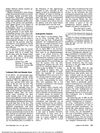
September 1977 in “British Journal of Dermatology” This article presents a classification system for stages of female-pattern androgenetic alopecia to aid early diagnosis and mentions existing systems for rare male-pattern cases, but reports no new clinical results.