Will dht levels increased by creatine cancel out with finasteride 2/18/2025
Creatine may increase DHT levels, but its impact on hair loss is unclear and not well-studied. Many users report no significant hair loss while using creatine alongside finasteride, though some experience increased shedding.
View this post in the Community →
Similar Community Posts Join
6 / 6 resultscommunity The Real Cause Of Androgenetic Alopecia
Androgenetic alopecia is caused by DHT affecting hair growth. Finasteride and minoxidil are used to manage hair loss by blocking DHT and promoting hair growth.
community SCUBE3 and GT20029 could be the closet thing to a cure: Hair Follicle Regeneration and Protection Against DHT
SCUBE3 and GT20029 are potential treatments for hair loss, with SCUBE3 stimulating hair growth and GT20029 protecting against DHT. A combined approach using SCUBE3, finasteride or dutasteride, and later GT20029 could provide a comprehensive treatment for androgenetic alopecia.
community Does Creatine Cause Hair Loss? I Did the Science.
Creatine at 2.5 g/day did not affect DHT levels in the user, suggesting it may not cause hair loss through DHT. The user used minoxidil during the experiment but did not use finasteride or other DHT-reducing medications.
community Why can’t we just do another creatine study?
Creatine may worsen hair loss in some, especially with androgenic alopecia, but evidence is mixed. Some users experience no hair loss when using creatine with minoxidil and finasteride, while others notice increased shedding.
community Anyone Else Get Scalp Pain and Hair Loss on Creatine?
Creatine may trigger hair loss and scalp pain, possibly due to increased DHT levels, as experienced by several users. Some users found stopping creatine and finasteride improved their symptoms.
community Creatine and hair loss (personal experience)
Creatine can cause increased hair loss in some people, particularly those with a predisposition to androgenic alopecia, but hair loss often stops after discontinuing its use. Some users experience no hair loss while using creatine.
Related Research
6 / 6 results
research Hair characteristics and androgenetic alopecia in Koreans
This article reviews factors influencing hair growth and treatment options for androgenetic alopecia, but it reports no new clinical results on their effectiveness.
research Finasteride and Dutasteride for the Treatment of Male Androgenetic Alopecia: A Review of Efficacy and Reproductive Adverse Effects
This review found that both finasteride and dutasteride are effective for treating hair loss in men with androgenetic alopecia, with dutasteride showing higher efficacy, but noted unclear clinical significance regarding potential negative impacts on reproduction, including possible sexual dysfunction and effects on spermatogenesis.

research Common Causes of Hair Loss and Their Treatment Options
This paper reviews the effectiveness and side effects of various treatments for androgenetic alopecia, telogen effluvium, and alopecia areata, emphasizing the importance of discussing each option's costs, benefits, and risks with patients.
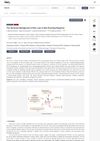
research The Hormonal Background of Hair Loss in Non-Scarring Alopecias
This review examines the hormonal causes of hair loss, noting how androgen excess can lead to follicle miniaturization and linking estrogen deficiency and thyroid dysfunction to common alopecia types. It further discusses hormonal treatments such as finasteride, dutasteride, and spironolactone.

research Hair aging and anti-aging
This review discusses the biological and cosmetic aspects of hair aging and reports no new clinical results; it highlights current treatments and future research directions to address both aging factors.
research Managing patterned hair loss – a hair raising task!
This review summarizes existing knowledge on diffuse and patterned alopecia, emphasizing recent advancements in treatment beyond FDA-approved options, but it reports no new clinical findings.