My Theory Regarding a Cause and Cure for Androgenetic Alopecia Treatment 2/6/2020
Hair loss theory suggests imbalance between Vitamin D Receptor (VDR) and Androgen Receptor (AR) activation. Proposed treatment includes upregulating VDR, downregulating AR, and improving mitochondrial health.
View this post in the Community →
Similar Community Posts Join
5 / 1000+ results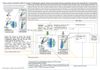
community Compressed part of research of theory of androgenic/anabolitic balance. AGA h-responders analytic. Theory of physio-metabolitic method of anti AGA treatment
The treatment for androgenetic alopecia involves using finasteride and minoxidil with intense exercise and cold exposure to boost metabolism and reduce androgenic effects, potentially leading to hair regrowth. This approach may activate biological pathways for improved hair and overall health.
community How a follicle next to it is so genetically different that it never miniaturized??
Genetic differences in hair follicles affect hair loss patterns. Treatments discussed include finasteride, dutasteride, minoxidil, and RU58841.
community Why are there no studies on Topical Vitamin D3 for AGA?
Topical Vitamin D3 may stimulate hair growth and has been used for Alopecia Areata. There is a question about the lack of research on its use for Androgenetic Alopecia (AGA).
community The Real Cause Of Androgenetic Alopecia
Androgenetic alopecia is caused by DHT affecting hair growth. Finasteride and minoxidil are used to manage hair loss by blocking DHT and promoting hair growth.
community Having AGA as a girl makes me depressed
A 20-year-old woman with androgenetic alopecia feels depressed about her hair loss, despite using topical minoxidil, spironolactone, and saw palmetto. Suggestions include trying oral minoxidil, higher doses of finasteride or dutasteride, and checking for vitamin deficiencies and heavy metal exposure.
Related Research
6 / 1000+ results
research Assessment of vitamin D receptors in alopecia areata and androgenetic alopecia
Low vitamin D receptor levels found in hair loss patients; topical vitamin D treatment suggested.
research Genetic basis of polycystic ovary syndrome
The document concludes that PCOS has a strong genetic component, but more research is needed to fully understand the specific genes involved.
research Emerging Topics in Cardiometabolic and Psychologic Sequelae, Pathogenesis, and Treatment of Polycystic Ovarian Syndrome: A Review
The review concludes that more research is needed to better improve the health outcomes for people with Polycystic Ovarian Syndrome.
research Scalp Sebaceous Physiology
The document concludes that scalp health is influenced by complex factors affecting sebaceous glands, including hormones, aging, and various substances.

research Influence of Vitamin D on the Incidence of Metabolic Syndrome and Hormonal Balance in Patients with Polycystic Ovary Syndrome
Vitamin D deficiency is linked to a higher chance of metabolic syndrome in women with PCOS.
research Comparative Gene Expression Profiling of Senescent and Androgenetic Alopecia Using Microarray Analysis
SA linked to mitochondrial issues and oxidative stress, while AGA involves disrupted hair growth genes.