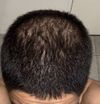
Part 2 of previous post including pictures 9/2/2026
The user has been experiencing hair loss despite using finasteride and dutasteride, with recent photos showing significant thinning. They are considering increasing their dutasteride dosage and possibly trying microneedling, while also addressing concerns about diet and nutrient deficiencies.
View this post in the Community →
Similar Community Posts Join
5 / 5 resultscommunity What to do if fin is still not working after 2.5 years
The user is experiencing increased hair loss despite using finasteride and oral minoxidil and is hesitant to switch to dutasteride due to side effects and family planning concerns. Alternatives suggested include dutasteride, microneedling, and addressing stress or nutrient deficiencies.
community Losing ground on finasteride after only 2 years of really good results?
The user experienced significant hair regrowth with finasteride but noticed recent hair thinning, possibly due to nutrient deficiencies and weight loss. They plan to add microneedling and consider switching to dutasteride.
community 12 months of finasteride 1mg daily.
The user has been using minoxidil, finasteride, and nizoral shampoo for hair loss for 12 months but is not satisfied with the coverage. Suggestions include increasing nutrient intake, trying microneedling, considering dutasteride, and switching to oral minoxidil.
community What else is good. Besides the big 3.
Key treatments for hair preservation include minoxidil, finasteride/dutasteride, and microneedling, with additional options like specific shampoos, oils, biotin, zinc, tretinoin, clascoterone, and low-level laser therapy. Maintaining a healthy lifestyle, reducing stress, and addressing nutrient deficiencies can also support hair health.
community Essential Insights into Hair Loss: What You Should Know Early
Hair loss can be managed by acting early, using treatments like Minoxidil, finasteride, and possibly dutasteride, along with lifestyle changes such as using sulfate-free shampoos and eating protein-rich foods. Consulting a dermatologist and considering microneedling, vitamins, and anti-fungal shampoos are also recommended.
Related Research
6 / 6 resultsresearch Androgenetic Alopecia: Therapy Update
This comprehensive review analyzes androgenetic alopecia treatments, discussing the mechanisms, costs, efficacy, and safety of FDA-approved drugs like minoxidil and finasteride, as well as newer non-FDA-approved options that have shown effectiveness across various studies.
research Status of research on the development and regeneration of hair follicles
This review examines the mechanisms of hair follicle development and regeneration, discussing current hair loss treatments and emerging therapies like low-level laser therapy and stem cell therapy, which the authors suggest show promise in managing hair loss.
research Pathophysiology, conventional treatments, and evidence-based herbal remedies of hair loss with a systematic review of controlled clinical trials
This literature review reports that certain herbal remedies, such as rosemary, green tea, and ginseng, have shown promise in promoting hair growth and improving hair density, though variability and study design limitations highlight the need for more rigorous research.
research Biomedical Technologies for Androgenic Alopecia Treatment: Advance, Mechanism and Future Direction
This review discusses advanced biomedical technologies, such as nanotechnology and stem cell-based approaches, for treating androgenetic alopecia, detailing their benefits, current applications, and challenges, without reporting new experimental results.
research The Effect of Platelet Rich Plasma on Hair Regrowth: A Clinical Study
This study found that Platelet Rich Plasma treatment may safely and effectively promote hair regrowth in patients with pattern hair loss, especially when combined with other topical drugs like finasteride and minoxidil.
research An Updated Etiology of Hair Loss and the New Cosmeceutical Paradigm in Therapy: Clearing ‘the Big Eight Strikes’
This review concluded that the efficacy of cosmeceutical hair serums for addressing hair loss lies in their use of bioactive peptides and plant compounds, like flavonoids and sterols, that target eight key contributing factors identified in hair loss conditions.