How finasteride or DUT works for me 3/5/2026
Some users experience side effects from finasteride and switch to alternatives like pyralutamide and a finasteride-minoxidil mix. These alternatives may reduce side effects while helping with hair loss.
View this post in the Community →
Similar Community Posts Join
6 / 6 resultscommunity I really hate how current hair loss treatment only rely on DHT blockers
The conversation discusses dissatisfaction with current hair loss treatments that mainly focus on DHT blockers like finasteride and dutasteride. Alternative treatments mentioned include RU58841, pyrilutamide, minoxidil, rosemary oil, and future possibilities like hair cloning.
community Pyrilutamide phase III clinical trial results released
Pyrilutamide did not show effectiveness in regrowing hair compared to a placebo, but it may still help maintain existing hair by preventing DHT from causing follicle miniaturization. Some users believe it could be beneficial when used with other treatments like minoxidil, finasteride, and dutasteride.
community DHT reduction in the scalp for all doses of dutasteride is now available.
Higher doses of dutasteride reduce scalp DHT more effectively than finasteride, but have diminishing returns after 3mg daily and may cause more side effects. Combining dutasteride with topical minoxidil can enhance results, but using both finasteride and dutasteride together is unnecessary.
community Finasteride stopped working, I'm switching to oral Dutasteride
The user switched from Finasteride to topical Dutasteride, Pyrilutamide, and Minoxidil due to hair loss, then decided to switch to oral Dutasteride because of pregnancy concerns. They are considering the frequency of oral Dutasteride use, with suggestions of using it a few times a week for better results and fewer side effects.
community minoxidil (15 months) and pyrilutamide (46 days) results.
OP used minoxidil for 15 months and pyrilutamide for 46 days, achieving desired results without side effects. Users discussed alternatives like dutasteride and finasteride, with concerns about side effects like erectile dysfunction.
community Need supplemental products in addition to oral minoxidil and oral dutasteride
The user has been using oral minoxidil and dutasteride for hair loss without success and is considering adding topical 17α-estradiol, Pyrilutamide, Clascoterone, or cetirizine. They have confirmed low serum DHT levels and are exploring additional treatments due to genetic sensitivity to DHT and prostaglandin D2.
Related Research
6 / 6 results
research Updates in Treatment for Androgenetic Alopecia
This review discusses current and emerging treatments for androgenetic alopecia, covering mechanisms, efficacy, and safety of both androgen-targeted and non-androgen-targeted approaches, but reports no new clinical results.
research Androgenetic Alopecia: Therapy Update
This comprehensive review analyzes androgenetic alopecia treatments, discussing the mechanisms, costs, efficacy, and safety of FDA-approved drugs like minoxidil and finasteride, as well as newer non-FDA-approved options that have shown effectiveness across various studies.
research The state‐of‐the‐art in the management of androgenetic alopecia: A review of new therapies and treatment algorithms
This abstract outlines a guide reviewing both FDA-approved and off-label therapies for androgenetic alopecia and proposes treatment algorithms based on scientific research, highlighting a gap in common treatments for this prevalent condition.

research The 100 most cited articles in androgenetic alopecia: A bibliometric analysis
This study performed a bibliometric analysis of the 100 most cited articles on androgenetic alopecia from 1975 to 2024, revealing that U.S. authors contributed most and highlighting a trend toward research focused on treatment options, especially between 2020 and 2024.

research Androgenetic alopecia - a literature review
This review highlights that while finasteride and minoxidil effectively treat androgenetic alopecia, emerging options like dutasteride, mesotherapy, androgen blockers, and red LED therapy show promising results, especially when used in combination, though further research is needed for standardization and safety confirmation.
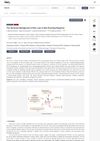
research The Hormonal Background of Hair Loss in Non-Scarring Alopecias
This review examines the hormonal causes of hair loss, noting how androgen excess can lead to follicle miniaturization and linking estrogen deficiency and thyroid dysfunction to common alopecia types. It further discusses hormonal treatments such as finasteride, dutasteride, and spironolactone.