DHT levels went up after 6 months of finasteride usage. 9/1/2026
Finasteride's effectiveness may be reduced due to heat exposure, affecting DHT levels. Testing methods and medication storage conditions are likely factors in the unchanged DHT levels.
View this post in the Community →
Similar Community Posts Join
5 / 5 resultscommunity Male (24) Using Dutasteride Since 2020 – Concerns About Having Kids
A 24-year-old male using dutasteride for hair loss is worried about its effects on fertility and future children's health. Users advise consulting a doctor, possibly switching to finasteride, or stopping dutasteride before conception due to its impact on sperm count.
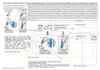
community Compressed part of research of theory of androgenic/anabolitic balance. AGA h-responders analytic. Theory of physio-metabolitic method of anti AGA treatment
The treatment for androgenetic alopecia involves using finasteride and minoxidil with intense exercise and cold exposure to boost metabolism and reduce androgenic effects, potentially leading to hair regrowth. This approach may activate biological pathways for improved hair and overall health.
community Physio-metabolic method (antiandrogen, minoxidil, leg training and cold)
The method combines finasteride, minoxidil, intense leg exercises, and cold exposure to treat androgenetic alopecia. It aims to boost metabolism and reduce androgenic effects, enhancing hair growth.
community 18-year progress pics. Fin only.
The user has been using finasteride for 18 years to manage hair loss and is considering starting minoxidil and possibly a hair transplant. Despite some regrowth, they are exploring additional treatments like dutasteride and oral minoxidil due to continued hair thinning.
community Does the watery ejaculate issue ever resolve?
Dutasteride and finasteride can cause watery ejaculate, which may persist for some users. Zinc supplements or switching to topical treatments are suggested to alleviate this side effect.
Related Research
6 / 6 resultsresearch Physiopathology and current treatments of androgenetic alopecia: Going beyond androgens and anti‐androgens
This review discusses the physiopathology of androgenetic alopecia and evaluates various traditional and emerging treatments, reporting no new clinical results but highlighting the need for enhanced treatment strategies.
research Topical Treatment for Scarring and Non-Scarring Alopecia: An Overview of the Current Evidence
This review discusses the progress in research on topical formulations for treating alopecia, highlighting potential advantages of advanced formulation technologies but reporting no new clinical results.
research Oral Presentations: Abstracts of the Urological Society of Australia and New Zealand Annual Scientific Meeting, 25–28 February 2023, Melbourne, Australia
This study found that utilizing a clinical pharmacist in perioperative urological services reduced surgical cancellations and resident overtime while improving service efficiency and financial sustainability.
research General Dermatology
The document explains various skin conditions and their treatments.
research Pharmacodynamic Evaluation: Endocrinology
This chapter reviews pharmacodynamic evaluations in endocrine disorders focusing on oral antidiabetics, insulin analogues, and hormone interactions, but reports no new results.
research Pathogenic Mechanisms and Mechanism‐Directed Therapies for Androgenetic Alopecia: Current Understanding and Future Directions
In this review, researchers explored key mechanisms underlying androgenetic alopecia, revealing how hormonal, oxidative, inflammatory, and lipid dysregulation suppress hair growth pathways and suggesting new therapeutic targets such as DP2 antagonists and microbiome modulators.