Before and after 1 year of fin and min. Is this progress expected or under/ exceeding expectations? Not sure if I should be happy with this or not. Is this regrowth? 7/26/2026
The user experienced significant hair regrowth using topical minoxidil and oral finasteride, with many suggesting the results exceed expectations. Some recommend microneedling or a hair transplant for further improvement.
View this post in the Community →
Similar Community Posts Join
6 / 6 resultscommunity 2 months before and after. Fin min pill, micro needle, and Nizoral (ketoconazole) shampoo.
The conversation discusses hair regrowth using finasteride, minoxidil pills, micro-needling, and Nizoral (ketoconazole) shampoo. Users suggest giving treatments at least a year to show results, with some recommending stronger treatments like dutasteride or a hair transplant.
community 6month progress Fin/Min/Microneedling
A user shared their 6-month progress using 1mg finasteride, daily minoxidil, 1.5mm microneedling twice a week, biotin, and Nizoral shampoo, showing significant hair regrowth. Other users were impressed, noting the regrowth resembled a hair transplant.
community I post relatively a lot here. I knew I could help more people like me. Because I learned a lot from here. I actually met good people here, from afar, who helped me grow my hair. As you can see, I was almost bald at age 34, and today I am 35.5 with very good hair. Oral Propecia, topical Minoxidil..
A user shared their successful hair regrowth journey using oral Propecia, topical Minoxidil, Ketozol shampoo, a derma roller, strength training, Omega 3, and Biotin. They experienced initial shedding but saw significant improvement in hair growth after 3-4 months.
community Minoxidil aint shit, genetics are dumb, i dont want to be bald
Minoxidil alone is not effective for significant hair regrowth; combining it with finasteride or dutasteride is necessary. Additional treatments like hair transplants, microneedling, or oral medications are recommended for better results.
community Can dut save my temples? I've been on fin for 2 years but im plateauing
OP is considering adding dutasteride to their regimen of finasteride and minoxidil to address hair loss plateauing. Users suggest oral minoxidil, microneedling, and possibly a hair transplant, with mixed opinions on dutasteride's effectiveness for temple regrowth.
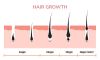
community 2026 Official Beginner’s Guide for “I’m losing my hair, what can I do?”
For hair loss, start with Finasteride, Minoxidil, Ketoconazole shampoo, and Microneedling. For severe cases, consider Dutasteride, oral Minoxidil, or hair transplants.
Related Research
6 / 6 resultsresearch Resolution of Recipient-Site Necrosis Following Hair Transplantation in a Patient with Hemangioma: A Case Report and Management Approach
This case study reported satisfactory tissue healing and hair growth after follicular unit excision, despite early necrosis associated with a potential hemangioma, through the use of antibiotics, hyperbaric oxygen, and wound care.
research Functional hair follicle regeneration: an updated review
This review discusses potential cell sources and bioengineering strategies for regenerating hair follicles with functional cycling, reporting no new results.
research Current understanding and treatment of sex hormone-related hair diseases
This review examines the effects of sex hormones on hair growth and the pathogenesis of related hair disorders, highlighting current management benefits and controversies but reporting no new results.
research Status of research on the development and regeneration of hair follicles
This review examines the mechanisms of hair follicle development and regeneration, discussing current hair loss treatments and emerging therapies like low-level laser therapy and stem cell therapy, which the authors suggest show promise in managing hair loss.
research Guidelines based management of androgenetic alopecia
This review examines the effectiveness of current treatments for androgenetic alopecia, offering plastic surgeons evidence-based guidance for choosing safe and effective options, but reports no new results.
research Androgenetic alopecia: An update
This study describes androgenetic alopecia as a common non-scarring hair loss condition primarily influenced by genetic factors and androgen sensitivity, notably impacting psychosocial well-being, especially in females and younger males seeking treatment.