[2-year update] Definitely making progress! 5/9/2026
The user experienced significant hair improvement over two years using finasteride, minoxidil foam, and ketoconazole, despite some initial shedding and a side effect of watery semen. They are satisfied with the results and encourage others to persist with their treatment.
View this post in the Community →
Similar Community Posts Join
6 / 6 resultscommunity 4 month Progress picture(finasteride and minoxidil combo)
A user reported significant hair regrowth after 4 months using finasteride and minoxidil, with no major side effects. They are considering oral minoxidil and use microneedling and ketoconazole shampoo.
community 2020 updated guide for "I'm losing my hair, what do I do?". I've been taking Propecia for 12 years, and you can AMA.
Hair loss treatments discussed include Propecia, Rogaine, Nizoral shampoo, and dermarolling. Users shared experiences and results, with some noticing improvements in hair growth and maintenance.
community Why is minoxidil the “regrowth stimulant” and finasteride “the maintenance”, when official studies show more growth on finasteride ?
Finasteride is more effective for long-term hair maintenance by addressing the root cause of hair loss, while minoxidil acts as a growth stimulant with faster visible results. Combining both treatments is optimal, with oral minoxidil often showing better results for some individuals.
community DJSomeday's guide to hair loss newbies.
Minoxidil (Lipogaine) and Ketoconazole shampoo (Regenepure) are recommended for hair loss treatment, while finasteride is considered risky due to potential side effects. Biotin is not advised due to possible health risks, and the user emphasizes the emotional impact of hair loss and the hope for a future cure.
community 2 months of finasteride and 3 months of minoxidil
The user experienced hair regrowth and thickening after using minoxidil for three months and finasteride for two months, along with vitamin D and iron supplements. They reported softer erections as a side effect of finasteride but found the hair improvements worth it.
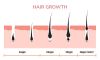
community 2026 Official Beginner’s Guide for “I’m losing my hair, what can I do?”
For hair loss, start with Finasteride, Minoxidil, Ketoconazole shampoo, and Microneedling. For severe cases, consider Dutasteride, oral Minoxidil, or hair transplants.
Related Research
6 / 6 resultsresearch Role of Topical Ketoconazole in Therapeutic Hair Care Beyond Seborrhoeic Dermatitis and Dandruff
This article explores the role of ketoconazole shampoo in hair care beyond treating dandruff and seborrhoeic dermatitis, suggesting it may reduce hair shedding and chronic scalp inflammation, potentially complementing treatments for androgenetic alopecia.
research Comparative Efficacy of Various Treatment Regimens for Androgenetic Alopecia in Men
This study found that combining oral finasteride with topical minoxidil resulted in the greatest improvement in hair growth for male patients with androgenetic alopecia, compared to using any single treatment.
research Topical Antiandrogen Therapies for Androgenetic Alopecia and Acne Vulgaris
This review discusses the potential efficacy of topical antiandrogen therapies for treating androgenetic alopecia and acne vulgaris, finding promising results but highlighting the need for more comprehensive studies.
research Reversible Hair Loss in Lichen Planopilaris: Regrowth With Low-Dose Naltrexone and Platelet-Rich Plasma
This case report describes a patient with lichen planopilaris who experienced remarkable hair regrowth at a previously scarred area after treatment with low-dose naltrexone and platelet-rich plasma, following minimal response to other therapies.
research Update Treatment of Male Androgenetic Alopecia
This review discusses the treatment options for male androgenetic alopecia, including FDA-approved therapies and new possibilities, but reports no new clinical results.
research Androgenetic Alopecia: An Update on Pathogenesis and Pharmacological Treatment
This review article examines current drugs for androgenetic alopecia, focusing on their mechanisms and clinical efficacy, noting that while finasteride and minoxidil are commonly approved treatments, new drugs targeting different pathogenic pathways have emerged, offering a broader understanding and reference for AGA treatment options.