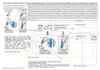
January 2025 in “Stem Cells International” This study found that exosomes from human umbilical cord mesenchymal stem cells reduced oxidative stress and inflammation in UVB-induced skin injury in cell and mouse models, suggesting their potential for treating UV-damaged skin by influencing Nrf2 and NF-κB pathways.
88 citations
,
May 2020 in “Clinical therapeutics” This review discusses the role of stress mediators in skin diseases and reports no new clinical results; the authors suggest further research in skin psychoneuroimmunology.
August 2026 in “Clinical Cosmetic and Investigational Dermatology” This study found that Hydroxypinacolone Retinoate (HPR) may alleviate UV-induced skin photoaging by enhancing collagen synthesis, reducing degradation, and modulating inflammatory and oxidative responses in a dose-dependent manner.
This study suggests that the exercise-induced cytokine IL-15 can improve wound healing in aged skin, along with previously reported benefits on skin structure and mitochondrial function.
March 2026 in “The Journal of Steroid Biochemistry and Molecular Biology” This study found that mice lacking both vitamin D and calcium-sensing receptors in epidermal keratinocytes are predisposed to developing squamous cell carcinoma as they age, due to impaired oxidative stress response and reduced DNA repair capabilities.