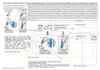
April 2021 in “Journal of Investigative Dermatology” Early-stage skin substitutes improve wound healing and skin structure.
12 citations
,
September 2020 in “Stem cell research & therapy” This study concluded that early-stage tissue-engineered skin substitutes, developed using skin progenitor cells, had a better graft efficiency and supported hair follicle formation, which may improve wound healing outcomes.
60 citations
,
January 2015 in “World Journal of Stem Cells” This review discusses advances in skin tissue engineering, focusing on scaffold-free approaches and the application of stem cells, and reports no new research findings.
This review explores the potential of regenerative cosmetics, specifically engineered skin tissues, for rejuvenating aging skin, healing wounds, and restoring hair, offering promising alternatives to traditional dermocosmetic treatments by promoting collagen production, reducing wrinkles, and regenerating hair follicles.
13 citations
,
March 2024 in “Cell Transplantation” This review highlights the need for improved methods in cosmetic safety assessment, emphasizing the potential of engineered skin tissue for more effective detection and toxicological evaluation of cosmetic products, compared to traditional methods.