 February 2025 in “International Journal of Molecular Sciences”
 In this study using a mouse model, RIPK1 inhibitors were found to delay the onset of alopecia areata, reduce immune cell numbers in affected skin, and increase hair length, indicating a potential therapeutic role in preventing alopecia areata.
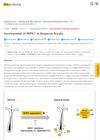
In this mouse model study, researchers observed that RIPK1 inhibitors delayed the onset of alopecia areata by modulating immune cells, specifically dendritic and CD8+ T cells, and increased hair length in organ culture mimicking the condition.
 12 citations
,
October 2020 in “Scientific Reports”
12 citations
,
October 2020 in “Scientific Reports” In this study, Nec-1s was found to promote hair growth and may target necroptosis and the Wnt/β-catenin pathway for potential treatment of hair loss.
 184 citations
,
February 2015 in “EBioMedicine”
184 citations
,
February 2015 in “EBioMedicine” This study observed that baricitinib treatment led to significant improvement in a patient's alopecia areata symptoms and suggests further clinical trials to explore its potential as a treatment.
 66 citations
,
December 2018 in “Dermatology”
66 citations
,
December 2018 in “Dermatology” This study found that oral JAK inhibitors, ruxolitinib and tofacitinib, are effective and well-tolerated for treating severe alopecia areata, with a similar degree of hair regrowth and relapse rates, but ruxolitinib induced faster initial hair regrowth.