29 citations
,
February 1989 in “Journal of Cutaneous Pathology” This case report identifies a new type of hair matrix tumor called "rippled pattern trichomatricoma," distinguished by its unique cell arrangement and differentiation features.
 February 2025 in “International Journal of Molecular Sciences”
 In this study using a mouse model, RIPK1 inhibitors were found to delay the onset of alopecia areata, reduce immune cell numbers in affected skin, and increase hair length, indicating a potential therapeutic role in preventing alopecia areata.
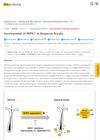
In this mouse model study, researchers observed that RIPK1 inhibitors delayed the onset of alopecia areata by modulating immune cells, specifically dendritic and CD8+ T cells, and increased hair length in organ culture mimicking the condition.
September 2019 in “The journal of investigative dermatology/Journal of investigative dermatology” This study identifies two previously unreported pathogenic RIPK4 gene variants, suggesting a functional link with cell adhesion molecules in ectodermal dysplasias.
24 citations
,
March 2018 in “Brazilian Journal of Pharmaceutical Sciences” This study found that unripe and ripe Musa sapientum fruit extracts may exhibit hypoglycemic effects by inhibiting α-amylase activity, reducing glucose diffusion, and promoting glucose uptake in yeast cells.