January 2002 in “Academic Journal of Kunming Medical College” In this study, human-hair artificial tendon material showed good biocompatibility and variable degradation rates in rabbits, depending on treatment time, with minimal inflammatory reactions observed.
1 citations
,
December 2025 in “PLoS ONE” This study evaluated the real-world safety of Tepotinib for treating NSCLC with METex14 skipping mutations, confirming known adverse events and identifying new signals like deafness and taste disorder, especially highlighting early monitoring.
 January 2024 in “Wiadomości Lekarskie”
 This review suggests that integrating artificial intelligence in diabetic foot management could significantly improve early diagnosis and wound healing by facilitating thermographic analysis and developing "smart dressings," though challenges in training, legal, and ethical aspects remain.
December 2000 in “日本組織細胞化学会総会プログラムおよび抄録集” 8 citations
,
September 2013 in “Molecular carcinogenesis” This study found that rapamycin effectively inhibits TPA-induced keratinocyte proliferation and skin tumor promotion by targeting mTORC1 signaling in both wild-type and transgenic mice.
38 citations
,
October 2001 in “British Journal of Dermatology” This study identified a new keratin, K6irs, as a potential histological marker for the inner root sheath of hair follicles in mice and humans, and as a candidate gene for hereditary hair defects.
14 citations
,
June 2011 in “Journal of Dermatological Science” TSH influences keratin expression in human hair follicles.
9 citations
,
February 2001 in “Journal of Dermatological Science” This study found that the expressions of CDK inhibitors p21waf1/cip1 and p27kip1 were higher during the anagen phase compared to telogen, suggesting a role in follicular epithelial cell differentiation.
3 citations
,
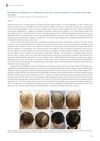
May 2024 in “Indian Journal of Dermatology” In this case report, researchers identified a potential adverse skin reaction, called SDRIFE or Baboon syndrome, caused by the drug tofacitinib in a 19-year-old woman being treated for alopecia subtotalis, leading the authors to recommend discontinuation of the drug.
 8 citations
,
May 2017 in “Singapore Medical Journal”
8 citations
,
May 2017 in “Singapore Medical Journal” A Korean woman with complete hair loss regrew her hair after taking tofacitinib, with no side effects.
October 2024 in “Journal of Pakistan Association of Dermatologists” This study reports that a 21-year-old male with alopecia totalis responded positively to the JAK inhibitor tofacitinib, achieving complete hair regrowth after six months of treatment without significant side effects, though further research is needed to evaluate long-term efficacy.
April 2012 in “Neuropediatrics” This article reviews the genetic and phenotypic characteristics of Trichothiodystrophy and discusses the associated DNA repair defects, but does not report new clinical findings.
 4 citations
,
January 2001 in “Archives of Biochemistry and Biophysics”
4 citations
,
January 2001 in “Archives of Biochemistry and Biophysics” This study found that TPA induces apoptosis in pig renal epithelial cells by affecting cell cycle proteins, and activated ras can prevent this process.
 July 2025 in “Frontiers in Medicine”
 In this case study, an 8-year-old boy with alopecia totalis experienced significant hair regrowth after baricitinib treatment, suggesting KRT74 variants may influence immune dysregulation in this condition.

In this study, researchers assessed the stability of various formulations in the TrichoConcept™ line for customized alopecia treatment. They found that the combinations remained stable from 14 to 180 days, supporting the use of these vehicles for enhancing therapeutic outcomes in hair loss treatments.
 January 2024 in “Wiadomości Lekarskie”
 This paper reviews the development and implementation of CAR-T cell therapy as a significant advancement in treating pediatric hematological malignancies, particularly for children with relapsed or chemotherapy-resistant acute lymphoblastic leukemia, offering renewed remission prospects where conventional methods are ineffective.
 November 2023 in “The journal of investigative dermatology/Journal of investigative dermatology”
 In this study, researchers found that ex vivo and in vivo administration of the TYK2 inhibitor BMS-986202 prevented immune privilege collapse and promoted hair regrowth in models of alopecia areata, suggesting this approach may offer a new therapeutic avenue deserving of clinical investigation.
12 citations
,
January 1987 in “Carcinogenesis” This study found that a single application of TCDD on the skin of hairless mice altered epidermal differentiation, changing keratin expression patterns similarly to a known tumor promoter.
June 2025 in “International Journal of Dermatology” In this case series conducted in Austrian dermatology clinics, tralokinumab was found to be a well-tolerated and effective long-term treatment for adults with moderate-to-severe atopic dermatitis, with improvements in eczema severity and symptom suppression maintained over up to three years.
In this study, ritlecitinib treatment for 12 and 24 weeks downregulated immunity-related genes and upregulated hair keratin genes in patients with alopecia areata, correlating with scalp hair regrowth response.
March 2007 in “Journal of Cell Science” This study found that keratin K1014chim expression in mice did not reduce epidermal cell proliferation but increased susceptibility to benign tumors, challenging previous beliefs about K10's role in inhibiting tumor development.
 6 citations
,
January 2024 in “Annals of Dermatology”
6 citations
,
January 2024 in “Annals of Dermatology” In this study, treatment with recombinant DKK2 was shown to significantly stimulate hair progenitor cell growth and enhance hair shaft elongation in ex vivo human hair follicle cultures by activating the Wnt/ẞ-catenin signaling pathway, suggesting a potential role for DKK2 in promoting hair growth.
May 2025 in “CPT Pharmacometrics & Systems Pharmacology” This study examined the safety profile of ritlecitinib, a drug for alopecia areata, and found that it does not cause significant QTc prolongation or severe lymphopenia, with no unique safety risks expected in adolescents.
99 citations
,
June 2005 in “Endocrinology” This study found that applying supraphysiologic doses of topical T3 significantly accelerated wound healing in mice compared to a control vehicle, suggesting its potential as a cost-effective wound treatment.
 2 citations
,
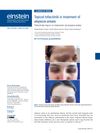
January 2020 in “Einstein (São Paulo)”
2 citations
,
January 2020 in “Einstein (São Paulo)” This review discusses the potential of Janus kinase inhibitors as a promising new treatment for alopecia areata, suggesting they could become a first-line therapy in the future, but reports no new clinical results.
December 2025 in “The Journal of Dermatology” This study reported that ritlecitinib effectively improved hair regrowth in JAK inhibitor-naïve adolescent patients with severe alopecia areata, achieving significant reductions in SALT scores within 24 weeks, but was less effective for patients who had previously been treated with baricitinib.
 17 citations
,
April 2016 in “Journal of Investigative Dermatology”
17 citations
,
April 2016 in “Journal of Investigative Dermatology” This study found that the synthetic thyroid hormone receptor modulator KB2115 significantly prolonged the growth phase of human hair follicles in culture without altering mitochondrial activity, suggesting potential as a safer hair loss treatment compared to traditional thyroid hormones.
1 citations
,
December 2016 This review discusses the approved uses and adverse reactions of JAK inhibitors, noting their importance in treating various conditions but highlighting significant hematological and immunological risks.
 5 citations
,
February 2024 in “Clinical Pharmacokinetics”
5 citations
,
February 2024 in “Clinical Pharmacokinetics” This study found that modeling and simulation effectively informed decision-making and dose selection for ritlecitinib in treating alopecia areata, supporting an accelerated drug development strategy.