 34 citations
,
December 2009 in “The International Journal of Developmental Biology”
34 citations
,
December 2009 in “The International Journal of Developmental Biology” In this study, thymosin beta4 over-expression in transgenic mice was linked to accelerated hair growth and abnormal tooth development, suggesting roles in hair and tooth physiology.
 July 2026 in “Journal of Medical Internet Research”
 This scoping review found that while digital health technologies designed to address health equity in Black communities have increased, the application and evaluation of equity-focused design approaches remain inconsistent, highlighting a need for integrating equity metrics throughout the design process.
2 citations
,
May 2024 in “The Turkish Journal of Gastroenterology” Tacrolimus treatment for autoimmune hepatitis can cause hair loss.
 October 2021 in “Journal of Investigative Dermatology”
 This study found no significant difference in the seroconversion rate of SARS-CoV2 IgG between patients with Immune Mediated Inflammatory diseases undergoing Targeted Immune-Modulating Therapies and those on conventional systemic treatment.
1 citations
,
January 2013 in “CU Scholar (University of Colorado Boulder)” This review discusses the historical practice of postmortem mutilation in Early America, highlighting its role in intercultural communication, racialized violence, and the construction of racial identities; it reports no new empirical findings.
August 2017 in “Seoul National University Open Repository (Seoul National University)” The study investigated the role of Aminoacyl-tRNA synthetase interacting multifunctional protein 1 (AIMP1) in hair follicle stem cell proliferation and its potential as a treatment for alopecia. AIMP1, when dissociated from the multi-tRNA synthetase complex, was found to be secreted by dermal papilla cells in a sonic hedgehog (Shh) signal-dependent manner. This secretion increased the proliferation of CD34+ hair follicle stem cells by promoting the wnt signaling pathway through inhibition of sFRP1, a known wnt antagonist. The research demonstrated that the N-terminal fragment of AIMP1 could be developed into a therapeutic peptide for hair loss. When applied topically to depilated mice, this peptide significantly accelerated hair growth, especially when formulated with carbomer. The findings highlighted a novel mechanism of AIMP1 action and its potential application in alopecia treatment.
280 citations
,
May 2005 in “Andrology” This document outlines recommendations from an international panel on testosterone therapy for aging men with late-onset hypogonadism, emphasizing the need for careful assessment and monitoring due to limited long-term safety data.
 6 citations
,
January 2007 in “Actas dermo-sifiliográficas/Actas dermo-sifiliográficas”
6 citations
,
January 2007 in “Actas dermo-sifiliográficas/Actas dermo-sifiliográficas” This study found that topical application of triiodothyronine (T3) can induce the transition of hair follicles from the telogen to the anagen phase in mice and stimulate hair shaft growth in vitro.
16 citations
,
June 1992 in “Journal of Investigative Dermatology” 4 citations
,
July 2024 in “Radiotherapy and Oncology” This study highlights that variations in clinical outcome reporting can undermine the validation of NTCP models for RIA, stressing the need for a standardized and objective scoring system.
 13 citations
,
January 2011 in “International Journal of Trichology”
13 citations
,
January 2011 in “International Journal of Trichology” CTA is often mistaken for AA but doesn't respond to steroids and may require hair transplantation.
This study observed that the development of the pars intermedia in long-tailed macaques is closely associated with changes in skin pigmentation during pre- and postnatal periods through melanocyte-stimulating hormone and ACTH activity.
 September 2022 in “bioRxiv (Cold Spring Harbor Laboratory)”
 This study indicates that a helminth-derived protein, TGF-β mimic, may accelerate wound healing and promote regenerative processes in skin tissue by interacting with TGF-β receptors.
3 citations
,
May 1979 in “PubMed”  21 citations
,
January 2010 in “International Journal of Trichology”
21 citations
,
January 2010 in “International Journal of Trichology” This study concluded that TrichoScan is error-prone in its current form and overestimates certain hair growth parameters, with results not aligning with clinical severity of alopecia.
 January 2025 in “Burns & Trauma”
 This review paper highlights that titanium dioxide nanoparticles (TiO2 NPs), due to their biological properties like antioxidant, anti-inflammatory, and antimicrobial effects, show promise in accelerating wound healing and enhancing tissue regeneration when used in scaffolds and dressings.
September 2023 in “Journal of the American Academy of Dermatology” In this study of pediatric melanocytic lesions, researchers at Massachusetts General Hospital observed no concurrent BAP1 loss and BRAFV600E positivity, characteristics of adult BIMT, suggesting that these tumors may develop at a later age rather than in childhood.
129 citations
,
February 2006 in “Andrology” This article reviews considerations and guidelines for testosterone therapy in older men with low testosterone levels but does not provide new clinical results, emphasizing the need for ongoing evaluation and careful management, particularly regarding risks related to prostate and cardiovascular health.
24 citations
,
November 1997 in “Journal of Biological Chemistry” This study found that genes encoding mouse high-glycine/tyrosine proteins show distinct spatial and temporal expression patterns in hair follicles, suggesting diverse protein distribution during hair growth cycles.
16 citations
,
May 1995 in “Biochemical and Biophysical Research Communications” In this study, researchers found that both thermolabile and thermostable forms of phenol sulfotransferase contribute to the sulfation of minoxidil, emphasizing the need to consider both enzymes in assessing sulfation in human tissues.
January 2002 in “Academic Journal of Kunming Medical College” In this study, human-hair artificial tendon material showed good biocompatibility and variable degradation rates in rabbits, depending on treatment time, with minimal inflammatory reactions observed.
 3 citations
,
March 2020 in “International Journal of Molecular Sciences”
3 citations
,
March 2020 in “International Journal of Molecular Sciences” This study found that overexpressing the gene Thymosin β4 (Tβ4) can promote the growth and development of secondary hair follicle dermal papilla cells in cashmere goats, suggesting its potential as a target for increasing cashmere production.
2 citations
,
March 2018 in “ACS Sustainable Chemistry & Engineering” This study found that stepwise thermal treatment of human hair waste at temperatures from 200 to 450 °C produced hollow microtubes, with structure changes influenced by temperature, core degradation, and cortex melting.
 January 2025 in “Skin Health and Disease”
 In this report, oral baricitinib improved both alopecia areata and immune thrombocytopenia in a 56-year-old patient, suggesting a potential dual benefit for these conditions, although regular platelet monitoring and hematology consultation are recommended.
 2 citations
,
July 2023 in “Agronomy”
2 citations
,
July 2023 in “Agronomy” This study found that treating wheat with 100 µM melatonin under drought conditions significantly improved root and shoot growth, increased melatonin levels, and enhanced drought resistance, potentially clarifying the mechanisms of melatonin's protective effects in plants facing water scarcity.
July 2025 in “Clinical Case Reports” In this case report, a 17-year-old male with a specific TRPS1 gene mutation presented with sparse, soft hair, short thumbs and toes, misaligned teeth, and distinctive bone abnormalities in the fingers and toes as observed through X-ray analysis.
344 citations
,
May 2018 in “EMBO journal” This review discusses the regulation of the MiT-TFE family transcription factors, particularly TFEB, through phosphorylation-mediated subcellular localization and reports no new clinical results.
3 citations
,
November 2019 in “Journal of the ASEAN Federation of Endocrine Societies” This case report describes an unusual variant of Turner Syndrome in a 20-year-old female that required comprehensive medical and psychological care, including hormonal therapy that resolved symptoms like alopecia.
 January 2016 in “Springer eBooks”
 A 19-year-old male with delayed puberty was successfully treated for a condition that prevents normal hormone production.
 108 citations
,
March 2011 in “Archives of Dermatology”
108 citations
,
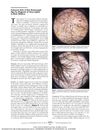
March 2011 in “Archives of Dermatology” Corkscrew hair may be a new sign for quickly diagnosing scalp fungus in black children.