 4 citations
,
January 2017 in “Journal of pediatric endocrinology & metabolism/Journal of pediatric endocrinology and metabolism”
4 citations
,
January 2017 in “Journal of pediatric endocrinology & metabolism/Journal of pediatric endocrinology and metabolism” This study identified two distinct VDR gene mutations among Lebanese families with hereditary vitamin D-resistant rickets, noting varied treatment responses and promising outcomes despite severe phenotypes.
6 citations
,
July 1994 in “Journal of Dermatological Science” This study found that introducing the recombinant rat OTC gene into SPF-ASH mice restored normal hair growth and metabolic function, improving symptoms associated with OTC deficiency.
22 citations
,
November 2020 in “Frontiers in Physics” This review discusses the experimental strategies and technological challenges of proton minibeam radiotherapy (pMBRT) and reports no clinical results; it highlights the potential of using a 3 GHz linear accelerator for precision therapy research.
 2 citations
,
June 2024 in “Frontiers in Plant Science”
2 citations
,
June 2024 in “Frontiers in Plant Science” This study found that RALF peptides, through liquid-liquid phase separation, form condensates with pectin and other proteins, playing a pivotal role in plant development and stress response regulation.
July 2024 in “Journal of Investigative Dermatology” Pediatric patients with dystrophic epidermolysis bullosa face more hospital admissions, procedures, and complications than others.
7 citations
,
October 2024 in “Journal of the American Academy of Dermatology” This source reported that patients who initially responded to ritlecitinib treatment showed sustained hair regrowth through week 48, with up to one-third of those not meeting target efficacy at week 24 also achieving a response with continued treatment.
June 2026 in “British Journal of Dermatology” In this case study, a woman with alopecia areata experienced significant hair regrowth after starting ritlecitinib but developed an acneiform eruption, leading to the discontinuation of the drug and subsequent hair loss relapse; the eruption suggests a treatment-limiting adverse effect of JAK inhibitors.
 April 2026 in “Diagnostics”
 In this case report, a 38-year-old woman with Parry–Romberg syndrome displayed left-sided facial atrophy and subclinical central nervous system involvement detectable by neuroimaging, suggesting that even symptom-free cases may benefit from systematic brain evaluations.
13 citations
,
April 2021 in “International Journal of Molecular Sciences” This study found that the fermented black soybean product GR-SC65 reduced particulate matter-induced cell death and oxidative stress in A549 cells, suggesting potential as a therapeutic agent for lung injury prevention.
1 citations
,
January 2013 in “Lung India” This letter discusses how differentiating features in clinical and radiological findings can help distinguish pulmonary Langerhans cell histiocytosis and Birt-Hogg-Dube syndrome from lymphangioleiomyomatosis, noting overlapping symptoms but specific distinctive traits.
10 citations
,
December 2021 in “Frontiers in Cell and Developmental Biology” This study suggests that BBS7 is crucial for maintaining Sonic hedgehog signaling activity, which is essential for periodontal ligament homeostasis under occlusal hypofunction conditions.
 1 citations
,
April 2022 in “AACE clinical case reports”
1 citations
,
April 2022 in “AACE clinical case reports” This case report describes a 36-year-old Pakistani phenotypic female diagnosed with 46,XY 5-alpha-reductase deficiency, highlighting that such disorders of sexual development can manifest with symptoms like obesity, hirsutism, and amenorrhea later in life due to unique circumstances.
 July 2023 in “Hair transplant forum international”
 This abstract provides information about the American Board of Hair Restoration Surgery as the only internationally accepted certifying body for hair restoration surgeons, but it reports no new research results.
 April 2017 in “Journal of Investigative Dermatology”
 This study identified that dominant mutations in the KLHL24 gene cause epidermolysis bullosa through dysregulated autoubiquitination, leading to excessive degradation of keratin 14.
67 citations
,
August 2004 in “Endocrinology” This study identified a novel I268T mutation in the vitamin D receptor that reduces its function, contributing to hereditary vitamin D-resistant rickets, and found that a potent vitamin D analog could improve receptor function.
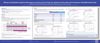 November 2024 in “SKIN The Journal of Cutaneous Medicine”
 This study found that ritlecitinib, taken daily, led to scalp, eyebrow, and eyelash hair regrowth in patients aged 12 and older with severe and very severe alopecia areata over a 24-month period.
 1 citations
,
November 2024 in “Diabetes Metabolic Syndrome and Obesity”
1 citations
,
November 2024 in “Diabetes Metabolic Syndrome and Obesity” In this study, researchers found that a specific genetic variant in the INSR gene is linked to severe insulin resistance and hyperandrogenemia in type A insulin resistance syndrome, suggesting the benefit of exon sequencing for accurate diagnosis and treatment.
46 citations
,
December 2018 in “Biomedical Optics Express” In this study, researchers observed that Raman spectroscopy effectively differentiates basal cell carcinoma from normal skin structures by analyzing biochemical markers, suggesting its potential as a surgical guidance tool for cancer margin resection during Mohs surgery.
 November 2025 in “Frontiers in Immunology”
 In this study, researchers found significant links between specific metabolic reprogramming-related genes and alopecia areata risk, highlighting increased SQSTM1 expression in affected hair follicles compared to healthy ones.
 September 2024 in “International Journal of Contemporary Pediatrics”
 In this case report, a 12-year-old girl with underlying sickle-thalassemia and familial stress presented with Rapunzel syndrome, a rare gastric trichobezoar, causing generalized swelling and severe anemia, which improved after surgical intervention and multidisciplinary care.
8 citations
,
November 2021 in “Environmental and Experimental Botany” This study found that brassinosteroid enhances kiwifruit root growth by regulating genes involved in auxin signal transduction, highlighting its critical role in root development.
 3 citations
,
May 1999 in “Dermatologic Surgery”
3 citations
,
May 1999 in “Dermatologic Surgery” Dr. Connelly agrees that linear basal cell carcinomas might be more aggressive but highlights the study's lack of clear criteria to identify them.
April 2023 in “Journal of Investigative Dermatology” This study suggests that monitoring CD8+ TEMRA cells in patients with rapidly progressive alopecia areata treated with intravenous corticosteroids could help predict therapeutic outcomes.
 4 citations
,
October 2018 in “International Braz J Urol”
4 citations
,
October 2018 in “International Braz J Urol” This study found no positive association between the use of 5α-reductase inhibitors and the risk of male breast cancer.
 1 citations
,
July 2001 in “Hair transplant forum international”
1 citations
,
July 2001 in “Hair transplant forum international” This article discusses the contributions of Drs. Bernstein and Rassman to hair restoration but presents no new findings.
10 citations
,
January 1997 in “Dermatology” This case report details two siblings with trichothiodystrophy, identifying reduced hair sulfur content as essential for diagnosis despite varied symptoms complicating recognition.
 1 citations
,
June 2026 in “Dermato”
1 citations
,
June 2026 in “Dermato” This narrative review found that ritlecitinib shows consistent effectiveness and a favorable safety profile for treating alopecia areata in clinical trials and real-world settings, with progressive hair regrowth observed, particularly when treatment is initiated early and maintained appropriately.
69 citations
,
August 2006 in “Behavior Therapy” This study found that group behavior therapy for trichotillomania led to greater short-term symptom improvement compared to supportive therapy, but did not achieve clinically significant changes or prevent relapse over six months.
 55 citations
,
December 2006 in “Journal of The American Academy of Dermatology”
55 citations
,
December 2006 in “Journal of The American Academy of Dermatology” This review discusses the potential for SSRIs to cause serious skin reactions and suggests considering alternative antidepressants if such reactions occur.
1 citations
,
October 2019 in “European Journal of Dermatology” There are no new clinical results reported in this discussion of pityriasis rubra pilaris diagnosis and treatment, which notes frequent treatment failures and highlights reliance on clinical and histopathological findings.