Search
for
Sort by
Research
90-120 / 1000+ results
research P-18 THREE BODY PROBLEM PATIENT: EHLER DANLOS SYNDROME COMBINED WITH HYPOPHOSPHATASIA AND FATTY ACID OXIDATION DEFECT
This report describes a 27-year-old patient with Ehler-Danlos syndrome who also presented with hypophosphatasia and mastocytosis, and suggests enzyme replacement therapy might alleviate symptoms in such overlapping genetic conditions.

research Identification and characterization of genes for skin and hair disorders
This study identified novel genetic variants related to rare skin and hair disorders, expanding the understanding of conditions like COLED, EV, and monilethrix, including a newly discovered type I keratin gene, KRT31, as a cause for monilethrix.
research Msx2 Prevents Stratified Squamous Epithelium Formation in the Enamel Organ
This study found that during amelogenesis in Msx2 null mice, a dysfunctional enamel organ developed due to abnormal epithelial transformation and lacked proper enamel formation.
research CRISPR/Cas9-Mediated Generation of COL7A1-Deficient Keratinocyte Model of Recessive Dystrophic Epidermolysis Bullosa.
This study reported the creation of isogenic immortalized COL7A1-deficient keratinocyte lines, providing a model for researching Recessive Dystrophic Epidermolysis Bullosa biology and potential therapies.
research Premature aging syndromes: From patients to mechanism
This review explores how cell and mouse models have contributed to understanding the mechanisms of human aging, particularly focusing on Hutchinson-Gilford Progeria Syndrome, and reports no new clinical results.
research Nevus psiloliparus: Newly described histopathological features from transverse sections
This case report describes the histopathological features of nevus psiloliparus in an 11-year-old girl, noting "shadow" follicular units with loosely arranged collagen and reduced elastic fibers.
research Hemidesmosomes and Notch signaling regulate epidermal differentiation via delamination
This study found that loss of integrin-β4 or its ligand, laminin-α3β3ɣ2, in keratinocytes increases differentiation via delamination, and demonstrated a role for hemidesmosomes in epidermal differentiation through both mitotic and non-mitotic mechanisms, influenced by Notch signaling.
research Necl2 regulates epidermal adhesion and wound repair
This study found that overexpression of the intercellular adhesion protein Necl2 in hair follicle stem cells was associated with reduced cell proliferation and delayed wound healing in both cultured cells and transgenic mice.
research The keratins and their disorders
This review discusses the range of diseases caused by mutations in keratin intermediate filament genes and presents no new clinical findings; the authors note the diverse phenotypes within this molecular category.
research Development of a mouse model for Hutchinson-Gilford progeria syndrome reveal defects in adult stem cell maintenance
This study explored the effects of a common Hutchinson-Gilford progeria syndrome mutation in an inducible mouse model, revealing skin abnormalities similar to those in affected patients.
research Keratins: the hair shaft's backbone revealed
This report expands the known genetic mutations linked to monilethrix by identifying new patients with KRT83 mutations, confirming its role as a causative gene for this hair disorder.

research A Spontaneous Fatp4/Scl27a4 Splice Site Mutation in a New Murine Model for Congenital Ichthyosis
This study identified a novel recessive mutation in mice causing lethal congenital lamellar ichthyosis, with skin and hair follicle alterations similar to human congenital ichthyoses, linked to a specific genetic defect affecting Fatp4.
research A null mutation in the cystatin M/E gene of ichq mice causes juvenile lethality and defects in epidermal cornification
This study found that a nonsense mutation in the Cst6 gene of mice leads to severe skin and hair abnormalities, suggesting that cystatin M/E is crucial for epidermal function and viability.
research Ichthyosis, Follicular Atrophoderma, and Hypotrichosis Caused by Mutations in ST14 Is Associated with Impaired Profilaggrin Processing
This study identified genetic mutations linked to congenital ichthyosis in families from the UAE and Turkey, revealing a connection between keratinization disorders and impaired filaggrin processing.
research Epimorphin and Epithelial Morphogenesis
This article discusses the role of epimorphin as a key morphoregulator for various epithelial cells in tubulogenesis and reports no experimental results on its signaling pathways.
research β1 Integrins with Individually Disrupted Cytoplasmic NPxY Motifs Are Embryonic Lethal but Partially Active in the Epidermis
Mutations in β1 integrins cause embryonic death but have milder effects on skin.
research Lanceolate hair-J (lahJ): a mouse model for human hair disorders [In Process Citation]
This study identified a new mouse mutation associated with noninflammatory proliferative skin disease and hair abnormalities, drawing parallels to human conditions like Netherton's syndrome and monilethrix.
research Loss-of-Function Mutations in HOXC13 Cause Pure Hair and Nail Ectodermal Dysplasia
This study found that loss-of-function mutations in the HOXC13 gene cause autosomal-recessive pure hair and nail ectodermal dysplasia, emphasizing its role in hair and nail development.
research A mutation in the hair matrix and cuticle keratin KRTHB5 gene causes ectodermal dysplasia of hair and nail type
This study identified a homozygous missense mutation in the KRTHB5 gene linked to pure hair–nail ectodermal dysplasias in a large consanguineous Pakistani family, providing new insights into the condition's molecular pathogenesis.
research A novel monilethrix mutation in coil 2A of KRT86 causing autosomal dominant monilethrix with incomplete penetrance
This study identified a novel KRT86 mutation associated with autosomal dominant monilethrix, expanding understanding of its genetic basis beyond known motifs.

research Case report: Two individuals with AEBP1-related classical-like EDS: Further clinical characterisation and description of novel AEBP1 variants
This report on individuals with AEBP1-related classical-like EDS confirmed previous findings and identified hair loss as a potential characteristic feature of this rare condition for the first time. Additionally, cardiovascular complications observed in some individuals suggest that cardiovascular monitoring may be necessary.
research Poster presentationsSG11 KRT14 pathogenic or likely pathogenic variants beyond epidermolysis bullosa: dermatopathia pigmentosa reticularis
This article presents a family case study of dermatopathia pigmentosa reticularis linked to a specific KRT14 gene variant, detailing symptoms and stressing the importance of molecular diagnosis for management.
research Integration of Biochemical and Mechanical Signals at the Nuclear Periphery: Impacts on Skin Development and Disease
This review discusses how the nuclear lamina integrates biochemical and mechanical signals to influence gene expression and skin homeostasis, but reports no new clinical results.
research Unusual Dermatologic Findings in an Extremely Low Birthweight Infant: The Genetic Diagnosis
This case report details an extremely low-birth-weight preterm neonate presenting with unique dermatologic symptoms, leading to a diagnosis of neonatal inflammatory skin and bowel disease due to a novel homozygous EGFR gene mutation, highlighting the importance of genetic testing in ambiguous cases.
research Steroidogenic factor-1 lineage origin of skin lesions in Carney complex syndrome
This study suggests that typical skin lesions in Carney complex may originate from the pro-melanogenic activity of a specific dermal fibroblast population influenced by PKA signaling.
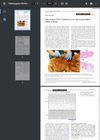
research Heterozygous COL5A1 deletion in a cat with classical Ehlers–Danlos syndrome
The researchers investigated a Maine Coon cat with suspected classical Ehlers-Danlos Syndrome and discovered a heterozygous deletion in the COL5A1 gene, underscoring the value of whole-genome sequencing for precise veterinary diagnostics.
research 851 The role of astrotactin2 in regulating mammalian skin polarity
This study identified intramembrane proteolysis as a key feature of Astrotactin2 maturation, providing insights into its role in planar cell polarity hair patterning.
research Expression of Signaling Components in Embryonic Eyelid Epithelium
This study reports differential gene expression in the leading edge and inner surface epithelial cells of murine eyelids, suggesting that distinct signaling pathways are active during embryonic eyelid closure.
research Lamins in development, tissue maintenance and stress
This review discusses the role of lamins in development, tissue maintenance, and stress response, and does not report new experimental findings.