January 2014 in “theses.fr (ABES)” In this research, Sertoli cell line model ST38c demonstrated that the androgen receptor regulates hormone pathways through specific coregulators, suggesting roles for SRC-2 and HBO1 in testicular development and androgen responsiveness.
2 citations
,
September 2024 in “Asian Journal of Andrology” In a retrospective cohort of patients with steroid 5 α-reductase 2 deficiency, this study identified seven novel genetic variants in the SRD5A2 gene, expanding the variant database and contributing to improved diagnostic and therapeutic approaches for the condition.
 4 citations
,
September 2024 in “BMC Cancer”
4 citations
,
September 2024 in “BMC Cancer” In this prospective phase II clinical trial, researchers are investigating whether adding dutasteride to combined androgen blockade can improve the response rate and clinical outcomes for patients with androgen receptor-positive recurrent or metastatic salivary duct carcinoma.
13 citations
,
January 1997 in “Biochemical Pharmacology” This study found that human liver dehydroepiandrosterone sulfotransferase (DHEA ST) catalyzes the sulfate conjugation of minoxidil, indicating another pathway contributing to its metabolism in humans.
13 citations
,
October 2021 in “International Journal of Molecular Sciences” In this study, an immortalized MSC line from human adipose tissue showed potential for applications in regenerative medicine and inflammatory diseases through production of active factors, demonstrated in vitro.
 November 2012 in “The Journal of Urology”
 Certain gene variants may raise the risk of prostate enlargement, but taking NSAIDs could reduce this risk.
 1 citations
,
April 2017 in “Journal of Investigative Dermatology”
1 citations
,
April 2017 in “Journal of Investigative Dermatology” This proof-of-concept study reported that a new, ultra-fast, one-step immunohistochemistry method improved the interpretation of Mohs surgery slides, particularly for poorly differentiated tumors.
 September 2016 in “Hair transplant forum international”
 This abstract provides author information and location affiliations for a study conducted in Bangkok, Thailand, but it does not include reported results or study details.
 22 citations
,
November 2005 in “BMC Cancer”
22 citations
,
November 2005 in “BMC Cancer” This phase II study found that gemcitabine plus paclitaxel showed promising activity and manageable toxicity as first-line therapy for recurrent or metastatic breast cancer, with a 35% overall response rate.
13 citations
,
June 2023 in “Frontiers in Pharmacology” This meta-analysis reports that trastuzumab deruxtecan is effective and has an acceptable safety profile for treating HER2-low or positive advanced breast cancer, although further research is recommended to support individualized treatment strategies.
15 citations
,
March 2023 in “BioMed” This review discusses multisystem inflammatory syndrome in adults (MIS-A) related to SARS-CoV2 and outlines the existing knowledge and unanswered questions, reporting no new clinical results.
 30 citations
,
October 2020 in “Nature Communications”
30 citations
,
October 2020 in “Nature Communications” This study provides the first crystal structure of the human SRD5A2 enzyme, revealing key insights into its function and inhibition which may aid future drug development.
 21 citations
,
January 2018 in “Anticancer Research”
21 citations
,
January 2018 in “Anticancer Research” This study suggests that NBCCS and BFHS may be the same genetic condition, which could help improve identification and management of misdiagnosed cases with specific surveillance strategies.
 6 citations
,
July 2015 in “European Journal of Dermatology”
6 citations
,
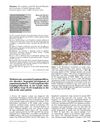
July 2015 in “European Journal of Dermatology” Stopping methotrexate might reverse lymphoma-like conditions in some patients.
 June 2022 in “Biomedical reports”
 This study concluded that STK11 gene polymorphisms were not predictive of metformin response in women with PCOS, though they may influence alopecia and hirsutism.

In this study, women in their 40s with hair loss showed significant improvements in hair properties such as pore density and hair thickness when treated with a caffeine-based scalp ampoule and Microneedle Therapy System, compared to a caffeine-free control.
July 2025 in “Ultrasound in Medicine & Biology” This study found that nanobubble-encapsulated diclofenac with ultrasound-targeted microbubble destruction (DNBs-UTMD) can enhance the anti-tumor efficacy of Doxil® by regulating the tumor immune microenvironment, improving drug uptake, and increasing T cell responses while reducing immune-suppressive cells in the process.
4 citations
,
January 2009 in “International journal of trichology” Minoxidil topical foam is a better, less irritating treatment for hair loss.
 March 2025 in “American Journal of Medical Genetics Part A”
 In this study, researchers found that mosaic PLCD1 hotspot variants, even without the recognized germline "risk allele," may be a rare but significant genetic cause of nevus trichilemmocysticus, warranting DNA testing and sensitive sequencing technologies for accurate diagnosis.
26 citations
,
September 2001 in “Journal of Investigative Dermatology” This study found that the serine protease BSSP is strongly expressed in mouse skin during carcinogenesis and is upregulated independently of c-Fos and unaffected by glucocorticoids.
46 citations
,
July 2010 in “Advances in Therapy” SPET-085 effectively inhibits an enzyme linked to prostate issues, similar to finasteride.
79 citations
,
October 2003 in “PubMed” In this study, PKCepsilon transgenic mice showed increased TNFalpha shedding during skin tumor promotion, which may contribute to the development of metastatic squamous cell carcinoma.
 8 citations
,
May 2017 in “IUBMB life”
8 citations
,
May 2017 in “IUBMB life” This review discusses the role of astrotactins in development and their genetic mutations' links to a variety of human diseases, but reports no new clinical results.
April 2015 in “The FASEB Journal” In this study, NM exposure in mouse skin disrupted pilosebaceous units, initially decreasing markers of sebum production and cellular division, but showed signs of healing and marker recovery by day five.
August 2024 in “American Journal of Medical Genetics Part A” In this case study, researchers detailed two Saudi cases of the ultra-rare Trichohepatoneurodevelopmental syndrome, identifying pathogenic variants in the CCDC47 gene and reinforcing a strong gene-disease association, which helps clarify the disorder's clinical features and genetic mutations.
 May 2021 in “The FASEB Journal”
 This study presents the crystal structure of human SRD5A2 with finasteride and reveals insights into its enzyme catalysis and inhibition mechanisms, which may inform drug development.
6 citations
,
July 2025 in “Cancer Medicine” This study reported that ZSYY001, a nanoparticle formulation of polymeric micellar paclitaxel, showed promising antitumor activity and was safe and well-tolerated in preclinical models and a phase I trial, without acute hypersensitivity reactions at doses up to 390 mg/m².
 28 citations
,
February 2014 in “Journal of Telemedicine and Telecare”
28 citations
,
February 2014 in “Journal of Telemedicine and Telecare” Smartphone-based teledermatology is effective for diagnosing skin diseases in the military with good accuracy.
 24 citations
,
September 2005 in “Journal of Cellular Biochemistry”
24 citations
,
September 2005 in “Journal of Cellular Biochemistry” This study found that all-trans and 9-cis retinoic acids increase steroid sulfatase activity in HL60 cells through mechanisms involving RARα/RXR heterodimers and multiple signaling pathways.
July 2024 in “Journal of Investigative Dermatology” PH-762 shows promise in treating skin cancer by effectively targeting and silencing PD-1 in tumors with minimal side effects.