 May 2022 in “Clinical Epigenetics”
 This study found that maternal early-pregnancy serum ferritin concentrations were associated with lower DNA methylation levels at specific CpG sites in cord blood, with some associations persisting into childhood.
September 2025 in “Archives of Medicine and Health Sciences” In this study, a high prevalence of anemia and iron deficiency was reported among first-trimester pregnant women in Mysore, with sociodemographic factors like residence, education, and BMI significantly influencing anemia risk.
 5 citations
,
August 2003 in “British Journal of Dermatology”
5 citations
,
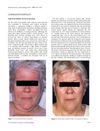
August 2003 in “British Journal of Dermatology” This article discusses the association between chronic diffuse telogen hair loss in women and iron deficiency, supporting the view that iron's role is unclear and often overstated, but reports no new clinical results.
 15 citations
,
January 2010 in “Experimental Dermatology”
15 citations
,
January 2010 in “Experimental Dermatology” This study found that maternal iron-restricted diets increased alopecia incidence in IL-10-deficient mouse pups with mast cells, implicating mast cells as potential effectors in this process.
 1 citations
,
February 2023 in “Pediatrician (St Petersburg)”
1 citations
,
February 2023 in “Pediatrician (St Petersburg)” This article reports two cases of iron deficiency anemia in Russian adolescent girls, highlighting the role of low iron stores at birth in developing anemia during puberty.
June 2025 in “Annals of the Rheumatic Diseases” This study found that pregnant women with rheumatic diseases had sufficient energy and macronutrient intake, but showed a high prevalence of overweight and obesity, with selenium intake exceeding safe levels, which may lead to potential side effects.
 September 2018 in “Journal of the American Academy of Dermatology”
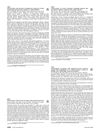
 Elderly patients with CCCA were all African American with low vitamin D, but no iron or zinc deficiencies, and no hormonal imbalances compared to younger patients.
 40 citations
,
March 1982 in “British Journal of Dermatology”
40 citations
,
March 1982 in “British Journal of Dermatology” This study found that women experiencing diffuse hair loss had significantly lower levels of plasma sex-hormone binding globulin compared to controls, while their testosterone levels remained normal.
April 2014 in “The FASEB Journal” This study found that maternal hephaestin knockout in mice leads to neonatal hair loss, likely due to low iron levels in the mother's milk.

This study in mice found that maternal iron deficiency led to hair loss and growth abnormalities in offspring due to increased oxidative stress and disrupted signaling pathways, but postnatal iron supplementation was able to reverse these effects.
 October 2025 in “Лечащий врач”
 This study highlights the importance of diagnosing and treating iron deficiency anemia in women planning pregnancy to prevent severe complications during pregnancy.
 February 2025 in “Indus journal of bioscience research.”
 In this study of 200 pregnant women in District Mardan, researchers found a high prevalence of zinc deficiency, with 63% having low zinc levels, alongside dietary and lifestyle factors that may influence maternal and fetal health.
 July 2003 in “Journal of Cutaneous Medicine and Surgery”
 Skin problems are common in Bangladesh due to arsenic, prompt treatment of diabetic foot ulcers is crucial, maternal transmission causes most neonatal herpes, treatments for pediatric vasculitis are effective, the chickenpox vaccine works, more frequent UVB therapy helps psoriasis, certain jobs increase hand dermatitis risk, monoclonal antibodies treat psoriasis well, lifestyle affects psoriasis, alefacept improves psoriasis, imiquimod cream partially clears basal cell carcinoma, and iron may not help chronic hair loss.
 88 citations
,
December 2018 in “Advanced Healthcare Materials”
88 citations
,
December 2018 in “Advanced Healthcare Materials” This review outlines the current state and future prospects of using layer-by-layer self-assembly for cell encapsulation in biomedical applications, such as cell-based biosensors, transplantation, and tissue engineering, while also discussing its limitations and potential advancements.
 24 citations
,
May 2019 in “PLOS genetics”
24 citations
,
May 2019 in “PLOS genetics” This study reports that compound heterozygous loss-of-function mutations in the HEPHL1 gene in a child were associated with abnormal hair and cognitive issues, linking altered ferroxidase activity to hair disorders.
 February 2025 in “Animals”
 This study involving 81 yaks found significant correlations between melatonin, dihydrotestosterone, and immunoglobulin levels in blood serum and mineral content in hair, suggesting these factors may jointly influence yak hair growth and immune status, providing a potential non-invasive indicator of overall health.

This study reported that the Fe@C/CB electrocatalyst effectively detected Metol in water samples with a low detection limit, high sensitivity, and good stability, suggesting it as a promising tool for environmental monitoring.
 4 citations
,
November 2019 in “Biomedical Journal of Scientific and Technical Research”
4 citations
,
November 2019 in “Biomedical Journal of Scientific and Technical Research” This paper does not provide study results; it shares author affiliations and publication details without reporting any findings.
16 citations
,
December 2016 in “ecancermedicalscience” This study suggests that ATR-FT-IR spectral analysis of hair fibres may detect breast cancer through increased lipid content changes linked to cancer presence.
 103 citations
,
October 2003 in “Birth Defects Research”
103 citations
,
October 2003 in “Birth Defects Research” This review discusses the multifactorial etiology of hypospadias, including genetic predispositions and possible environmental factors, and highlights the need for further studies on genetic and environmental contributions to its increasing prevalence, without presenting new findings.
 1 citations
,
June 2025 in “Environmental Research”
1 citations
,
June 2025 in “Environmental Research” In this study, researchers reported that adult females approaching menopause in Canada generally had similar or lower blood concentrations of toxic, essential, and trace elements compared to their peers, but most participants showed zinc levels below the proposed adequacy threshold.
 5 citations
,
July 2017 in “Women & Health”
5 citations
,
July 2017 in “Women & Health” This study found that nursing women in the West Bank of Palestine who lived in cities and consumed energy beverages had higher blood zinc levels.
 August 2019 in “Journal of Investigative Dermatology”
 This study suggests that epidermal turnover could be a regulated mechanism of iron excretion, with systemic iron levels influencing keratinocyte behavior and differentiation markers in the skin.
 19 citations
,
July 2018 in “Medicines”
19 citations
,
July 2018 in “Medicines” This review highlights the pharmaceutical potential of secondary metabolites from Juniperus species, noting promising antitumor, antibacterial, and antiviral activities, but reports no new experimental findings.
 17 citations
,
August 2015 in “PLoS ONE”
17 citations
,
August 2015 in “PLoS ONE” This study found that deferiprone significantly reduced dermal fibrosis and skin thickness in mice with chronic kidney disease treated with Omniscan, suggesting iron's role in gadolinium chelate toxicity and nephrogenic systemic fibrosis.
 11 citations
,
June 2020 in “Russian Open Medical Journal”
11 citations
,
June 2020 in “Russian Open Medical Journal” This study found a higher frequency of below normal ferritin and serum iron levels in women with melasma compared to controls, suggesting a possible association with melasma.
 7 citations
,
January 2016 in “Hair therapy & transplantation”
7 citations
,
January 2016 in “Hair therapy & transplantation” This study reported significantly lower levels of serum iron, ferritin, and calcium in young patients with premature gray hair compared to controls, implying that supplementation might prevent further graying.
 102 citations
,
July 2007 in “Genes & Development”
102 citations
,
July 2007 in “Genes & Development” This study found that maternal PPARγ is essential for preventing the production of inflammatory lipids in mouse milk, which can otherwise cause inflammation, alopecia, and growth retardation in nursing pups.
 June 2026 in “Ginekologia Polska”
 This study found that supplementation with micronized and emulsified ferric pyrophosphate effectively improved lab test results and reduced iron deficiency symptoms in patients aged 19-70, with the majority reporting good tolerance and few side effects.
 January 2018 in “International journal of food and nutrition research”
 Intermittent iron and nutritional supplements can help reduce hair loss.