 July 2021 in “PARIPEX INDIAN JOURNAL OF RESEARCH”
 This study highlighted knuckle hyperpigmentation as an early sign of vitamin B12 deficiency, indicating a potential link to megaloblastic anemia in the vegetarian population in India.
 November 2024 in “Rheumatology Advances in Practice”
 This case report highlights the significance of alopecia totalis and knuckle pad hyperpigmentation as early indicators of azathioprine-induced myelosuppression and pancytopenia.
 6 citations
,
January 2018 in “Dermato-endocrinology”
6 citations
,
January 2018 in “Dermato-endocrinology” This study found that acanthosis nigricans in the knuckles correlates with higher insulin and HOMA-IR values, potentially serving as an early, accessible marker for insulin resistance even without excess weight.
 9 citations
,
October 2014 in “Experimental and Clinical Endocrinology & Diabetes”
9 citations
,
October 2014 in “Experimental and Clinical Endocrinology & Diabetes” This study observed that acanthosis nigricans is highly prevalent in Latin American youths, especially at the knuckles, and may indicate early insulin resistance even in those with a normal BMI.
 5 citations
,
April 2007 in “Expert Review of Dermatology”
5 citations
,
April 2007 in “Expert Review of Dermatology” This abstract is incomplete and does not provide new research findings or conclusions.
 1 citations
,
January 2013 in “Nasza Dermatologia Online”
1 citations
,
January 2013 in “Nasza Dermatologia Online” This case report describes reversible hypopigmentation of hair in a child due to vitamin B12 deficiency, which improved after vitamin B12 supplementation.
 22 citations
,
April 1985 in “Australasian Journal of Dermatology”
22 citations
,
April 1985 in “Australasian Journal of Dermatology” This review discusses the uncommon but potentially serious cutaneous reactions to beta-adrenergic blockers and the uncertain pathogenesis, with no new clinical results reported.
 11 citations
,
December 2017 in “Diabetes Therapy”
11 citations
,
December 2017 in “Diabetes Therapy” This study highlights the need to prioritize early prevention of type 2 diabetes mellitus by focusing on early pathophysiologic mechanisms such as insulin resistance, rather than hyperglycemia, as conditions like non-alcoholic fatty liver disease and polycystic ovarian syndrome are early indicators of future diabetes risk.
 January 2025 in “International Journal of Dermatology Venereology and Leprosy Sciences”
 This review article highlights that obesity is a significant risk factor for several inflammatory skin conditions, such as psoriasis and atopic eczema, contributing to increased overall morbidity among those affected.
 June 2021 in “Asian Journal of Medical Sciences”
 This case study highlights that vitamin B12 deficiency can cause reversible hyperpigmentation, illustrated by a vegetarian female patient whose skin lesions improved after treatment.
 June 2018 in “Journal of evolution of medical and dental sciences”
 In this study, polycystic ovarian disease was identified as a prevalent chronic endocrinopathy among women of reproductive age, with common dermatological symptoms such as hirsutism, acne, and androgenic alopecia.
 January 2007 in “Journal of The American Academy of Dermatology”
 Propylthiouracil, a thyroid medication, can cause skin blood clots and immune-related blood vessel inflammation.
 January 2007 in “Journal of The American Academy of Dermatology”
 Post-steroid panniculitis is now rare because doctors taper steroids more carefully.
 130 citations
,
January 2005 in “American Journal of Clinical Dermatology”
130 citations
,
January 2005 in “American Journal of Clinical Dermatology” This review discusses the dermatologic symptoms associated with severe eating disorders like anorexia nervosa and bulimia nervosa and how they can aid in early diagnosis, without reporting new results.
 48 citations
,
September 2009 in “Dermato-endocrinology”
48 citations
,
September 2009 in “Dermato-endocrinology” This article reviews skin signs in patients with anorexia nervosa and their potential role in early diagnosis but reports no clinical results; it emphasizes the importance of dermatologists in recognizing these signs.
 42 citations
,
December 2007 in “American Journal of Psychiatry”
42 citations
,
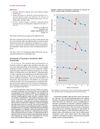
December 2007 in “American Journal of Psychiatry” This study examined finasteride, a 5-alpha-reductase inhibitor, for treating a Tourette’s syndrome patient unresponsive to traditional therapy, noting its limited side effects.
 7 citations
,
July 2019 in “Advances in preventive medicine”
7 citations
,
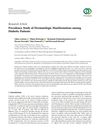
July 2019 in “Advances in preventive medicine” Among 255 subjects with diabetes, this study found an 88.4% prevalence of skin conditions and 15.7% prevalence of nail manifestations, linked with factors like age and disease duration.
 2 citations
,
May 2011 in “British Journal of Dermatology”
2 citations
,
May 2011 in “British Journal of Dermatology” This review discusses the diagnosis and treatment of pellagra, emphasizing the importance of evaluating serum niacin levels in photosensitive patients with certain risk factors, and reports no new clinical results.
 2 citations
,
June 2009 in “The Nurse practitioner”
2 citations
,
June 2009 in “The Nurse practitioner” This article highlights that many women with PCOS are unaware of their condition and its increased risks for type 2 diabetes and cardiovascular disease, and it offers no new clinical findings.
 405 citations
,
May 2007 in “Journal of The American Academy of Dermatology”
405 citations
,
May 2007 in “Journal of The American Academy of Dermatology” This review discusses the profound impact of obesity on skin physiology and dermatologic conditions and reports no new experimental results, recommending awareness and treatment strategy development for obesity-associated dermatoses.
 157 citations
,
August 2010 in “Lupus”
157 citations
,
August 2010 in “Lupus” This review discusses the various common, rare, and unusual skin manifestations of lupus erythematosus and highlights the importance of accurate diagnosis, but it reports no new clinical results.
 148 citations
,
February 2005 in “Autoimmunity Reviews”
148 citations
,
February 2005 in “Autoimmunity Reviews” This article discusses the distinct skin findings associated with lupus erythematosus, noting that some are specific to lupus while others are nonspecific and occur with various diseases; it reports no new results.
 144 citations
,
September 2006 in “Clinics in Dermatology”
144 citations
,
September 2006 in “Clinics in Dermatology” This article outlines manifestations of systemic lupus erythematosus, noting rapid joint symptom improvement with corticosteroids and antimalarial drug responsiveness for skin symptoms, and links anti-Ro with photosensitive rash and subacute lupus.
 138 citations
,
November 2015 in “Journal of Pharmacology and Experimental Therapeutics”
138 citations
,
November 2015 in “Journal of Pharmacology and Experimental Therapeutics” This review discusses the mechanisms associated with protoporphyrin IX in living cells and reports no clinical results; the authors emphasize its potential in cancer diagnosis and the risks of toxicity.
 111 citations
,
November 2010 in “Human Reproduction”
111 citations
,
November 2010 in “Human Reproduction” This study found that young indigenous South Asian women with polycystic ovary syndrome are more likely to be centrally obese and have metabolic syndrome, particularly with increasing age, higher BMI, and acanthosis nigricans.
 109 citations
,
November 2004 in “Lupus”
109 citations
,
November 2004 in “Lupus” This article reviews the current ACR classification criteria for systemic lupus erythematosus, highlighting their dermatologic limitations, and proposes guidelines for a study to update these criteria.
 73 citations
,
May 1976 in “JAMA”
73 citations
,
May 1976 in “JAMA” This case report associates severe zinc deficiency with long-term total parenteral nutrition, suggesting the need for trace element supplementation in such nutritional management.
 71 citations
,
January 2015 in “The Scientific World Journal”
71 citations
,
January 2015 in “The Scientific World Journal” This review discusses the link between insulin resistance and skin conditions such as acanthosis nigricans and psoriasis, but provides no new clinical results.
 53 citations
,
December 2015 in “JAMA Dermatology”
53 citations
,
December 2015 in “JAMA Dermatology” This study found that hirsutism and acanthosis nigricans are the most reliable skin markers for diagnosing polycystic ovary syndrome in women and suggest a need for further evaluation of possible metabolic issues.
 46 citations
,
July 1988 in “Journal of The American Academy of Dermatology”
46 citations
,
July 1988 in “Journal of The American Academy of Dermatology” This review discusses various skin lesions associated with endocrinologic disorders such as Cushing's syndrome and adrenal insufficiency, and it reports no new clinical results.